

Most Honda outboard issues are caused by fuel, spark, or electrical faults and are fixable with simple checks.
I have spent years repairing and diagnosing boat engines. This guide on Honda Outboard Troubleshooting explains clear steps, common causes, and real fixes. I will walk you through checks for starting failures, fuel problems, overheating, electrical faults, and gear issues. Read on to learn practical, tested methods to get your Honda outboard back on the water.

36% off Today’s Exclusive Deals
Limited-time Exclusive Deals. Check current discount on Amazon.
Check Price on Amazon As an Amazon Associate I earn from qualifying purchases.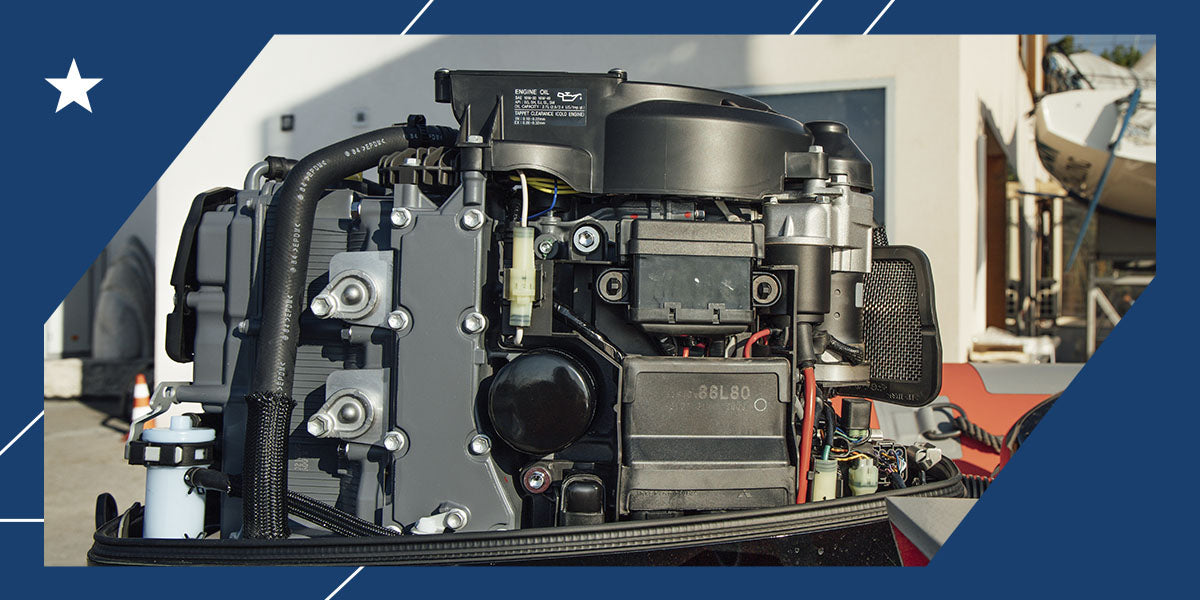
Why Honda Outboard Troubleshooting Matters
A reliable outboard keeps your trip safe and fun. Honda outboards are well built. Yet small faults can stop a boat fast. Timely Honda Outboard Troubleshooting saves time, money, and frustration.
Good troubleshooting finds the real cause. You avoid replacing parts that are fine. This guide teaches proven checks and safe fixes. It helps both beginners and seasoned boaters diagnose problems fast.

Common Honda Outboard Problems and Causes
Understanding common issues makes troubleshooting faster. Below are the faults I see most often with Honda outboards. Each line links cause and easy checks you can do.
-
Starting or no-start conditions
- Cause: stale fuel, clogged fuel line, weak spark, bad kill switch.
- Check: fresh gas, spark at plug, priming bulb, safety lanyard.
-
Rough idle or stalling
- Cause: dirty carburetor, water in fuel, or vacuum leaks.
- Check: fuel filter, carb cleaner, air intake seals.
-
Overheating
- Cause: blocked water intake, broken impeller, thermostat issue.
- Check: water stream from tell-tale, impeller inspection, thermostat function.
-
Loss of power under load
- Cause: fouled prop, worn lower unit gears, fuel delivery issue.
- Check: prop for dings, fuel pressure, compression.
-
Electrical problems
- Cause: corroded connectors, failing stator or rectifier, dead battery.
- Check: voltage output, wiring condition, battery health.
-
Vibration or noise
- Cause: damaged prop, loose mounting bolts, bent driveshaft.
- Check: prop balance, gearcase mount tightness, engine mounts.
This list keeps Honda Outboard Troubleshooting focused on the real culprits. Each problem has fast checks you can do before calling a shop.
Honda Outboard Troubleshooting Checklist: Quick Steps
Use this short checklist before deep diving. It solves many common issues fast.
- Verify fuel quality and quantity
- Use fresh, ethanol-free fuel if possible.
- Check battery voltage and connections
- Clean terminals and ensure 12.6V+ at rest.
- Inspect spark plugs
- Look for fouling, spark, and correct gap.
- Confirm water flow
- Run engine and watch the tell-tale stream.
- Test safety lanyard and kill switch
- Confirm engine sees the switch open/close.
- Scan for obvious leaks or loose parts
- Look under the cowling and along fuel lines.
Keep this checklist handy. It simplifies Honda Outboard Troubleshooting and often restores operation without tools.

Step-by-step Honda Outboard Troubleshooting Guides
Below are clear, stepwise checks for the most frequent failures. Follow the steps in order. Stop when the fault clears.
Starting and No-Start Issues
- Step 1: Confirm fuel is present and fresh.
- Step 2: Squeeze the primer bulb. If it stays soft, check for leaks.
- Step 3: Remove a spark plug, reconnect to ground, and crank to check for spark.
- Step 4: Check the safety lanyard and neutral switch.
- Step 5: If spark and fuel are present but no start, inspect carb or EFI components.
Keep parts dry and clean. Honda Outboard Troubleshooting often stops at spark or fuel checks.
Fuel System Troubleshooting
- Step 1: Replace the inline fuel filter and inspect fuel lines for cracks.
- Step 2: Check the fuel pump for proper pressure or diaphragm leaks.
- Step 3: Look for water in the fuel. Use a clear bowl to test drained samples.
- Step 4: If carbs are old, consider a rebuild or clean with ultrasonic service.
Fuel causes are the top reason for Honda Outboard Troubleshooting calls. Regular fuel care prevents most problems.
Electrical and Charging Troubleshooting
- Step 1: Test battery voltage at the starter and at rest.
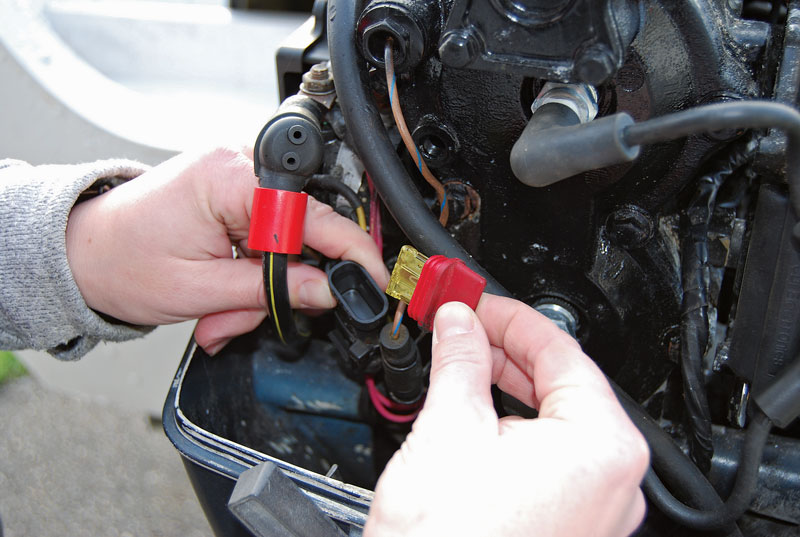
- Step 2: Inspect wiring for corrosion and secure connections.
- Step 3: Start engine and measure charging voltage at battery (13.5–14.8V).
- Step 4: If no charge, test stator and regulator/rectifier for continuity and output.
Electrical faults can mimic many engine issues. Work methodically and keep contacts clean.
Overheating Troubleshooting
- Step 1: Run the engine and confirm water stream from the tell-tale.
- Step 2: Shut down and inspect the cooling water intake for debris.
- Step 3: Remove the lower unit and inspect the impeller for wear and tears.
- Step 4: Replace thermostat if engine runs hot despite good flow.
A worn impeller is a common silent failure. It often causes partial flow and subtle overheating.
Gear and Prop Troubleshooting
- Step 1: Inspect prop for damage and shaft for wobble.
- Step 2: Check gearcase oil for water or metal flakes.
- Step 3: Test shifting under idle and load to confirm engagement.
- Step 4: If gears grind or slip, plan for a lower unit service.
Proper prop selection and damage checks are part of routine Honda Outboard Troubleshooting.
Vibration and Noise Troubleshooting
- Step 1: Check prop balance and damage.
- Step 2: Tighten mounting bolts and inspect engine mounts.
- Step 3: Look for bent driveshaft or worn lower unit bearings.
- Step 4: If noise persists, remove the prop and bench run the engine briefly.
Vibration can mask as power loss. Fix the vibration to reduce further wear.
Tools, Parts, and Prep for Effective Honda Outboard Troubleshooting
Having the right kit saves trips to the marina.
- Basic hand tools
- Socket set, pliers, screwdrivers, torque wrench.
- Electrical tester
- Multimeter for voltage, continuity, and resistance checks.
- Fuel tools
- Fuel pressure gauge, clear tubing, spare filters.
- Spark tools
- Spare spark plugs, plug wrench, gap gauge.
- Cooling and lower unit tools
- Impeller puller, gear oil pump, drain pan.
- Safety gear
- Gloves, eye protection, and a kill switch lanyard.
Pack spares for your engine. I carry a small parts kit with a spare primer bulb, fuel filter, and plugs. That kit fixed two breakdowns on one weekend.

Maintenance Tips to Prevent Common Failures
Routine care reduces the need for Honda Outboard Troubleshooting.
- Change fuel filters yearly or every 100 hours.
- Run the engine with a fogging oil before winter storage.
- Flush cooling system after salt use.
- Replace the impeller every 2–3 years or when showing wear.
- Inspect electrical connections annually and apply dielectric grease.
- Keep a maintenance log with dates, hours, and parts changed.
Small, regular tasks keep your Honda outboard reliable. A short seasonal checklist prevents most surprises.

When to Call a Technician
Some issues need a pro. Call a technician if any of the following happen.
- Persistent overheating after impeller and intake checks.
- Internal engine noises like knocking or loud grinding.
- Water found in the lower unit oil or heavy metal in oil.
- Complex EFI faults that require diagnostic scan tools.
- Gearcase replacement or major lower unit work is needed.
If in doubt, stop and seek help. Professional service prevents costly damage.

Personal Experience and Lessons Learned
I once diagnosed a no-start after three hours on the water. The primer bulb was soft but had no leaks. I found a kink in the fuel line. Fixing that got the engine running. Lesson: look for the small, easy things first.
Another time, a boat ran hot after a short trip. I found a thin plastic bag blocking the intake. I always check the tell-tale flow now before leaving the dock. These small checks are at the heart of Honda Outboard Troubleshooting.
Keep a calm, methodical approach. Test one system at a time. That method saves time and keeps repairs cheap.
Quick PAA Questions
How do I know if my Honda outboard is getting fuel?
Look for a strong fuel flow when you squeeze the primer bulb and check for fresh fuel at the carb or injector. If the bulb stays soft or empty, inspect lines and the filter.
Why does my Honda outboard overheat only at low speed?
Low-speed overheating often means poor water flow from a blocked intake or damaged impeller. Check the tell-tale stream and inspect the impeller.
Can stale fuel cause no-start on a Honda outboard?
Yes. Old fuel breaks down and clogs carb jets or injectors. Drain and replace fuel when in doubt.
Frequently Asked Questions of Honda Outboard Troubleshooting
What should I check first if my Honda outboard won’t start?
Check for fuel, spark, and the safety lanyard in that order. These are the top causes and are quick to test.
How often should I change the impeller on a Honda outboard?
Replace the impeller every 2–3 years or sooner if you run in shallow, debris-prone water. Regular checks prevent overheating.
Why is my Honda outboard running rough at idle?
A rough idle often means dirty carburetor jets, clogged fuel filter, or vacuum leaks. Clean the fuel system and inspect hose clamps.
How do I test the charging system on my Honda outboard?
Measure battery voltage with the engine off and then at idle. Charging should read about 13.5–14.8 volts with the engine running.
When will I need a professional for Honda Outboard Troubleshooting?
Seek a pro for internal engine noise, major gear damage, persistent overheating after basic checks, or EFI diagnostics. Complex repairs need shop tools and skills.
Conclusion
Honda Outboard Troubleshooting works best with a steady, step-by-step plan. Start with fuel, spark, and safety checks. Keep basic tools and spare parts on board. Regular maintenance prevents most failures and keeps you safe. Try the checklist and the step guides here, and you will solve many faults yourself. Share your experiences or ask questions below to get more targeted help.

