

A malfunctioning thermostat often causes overheating, poor heat-up, or erratic temperature control.
I have spent years diagnosing cooling issues on many cars, and Auto Thermostat Troubleshooting is one of the most rewarding tasks you can do yourself. This guide explains how a thermostat works, common signs of failure, step-by-step diagnostic steps, safe DIY fixes, and when to replace parts. I will share hands-on tips from real roadside repairs, clear checklists, and practical cost guidance so you can confidently tackle Auto Thermostat Troubleshooting and keep your engine running at the right temperature.

36% off Today’s Exclusive Deals
Limited-time Exclusive Deals. Check current discount on Amazon.
Check Price on Amazon As an Amazon Associate I earn from qualifying purchases.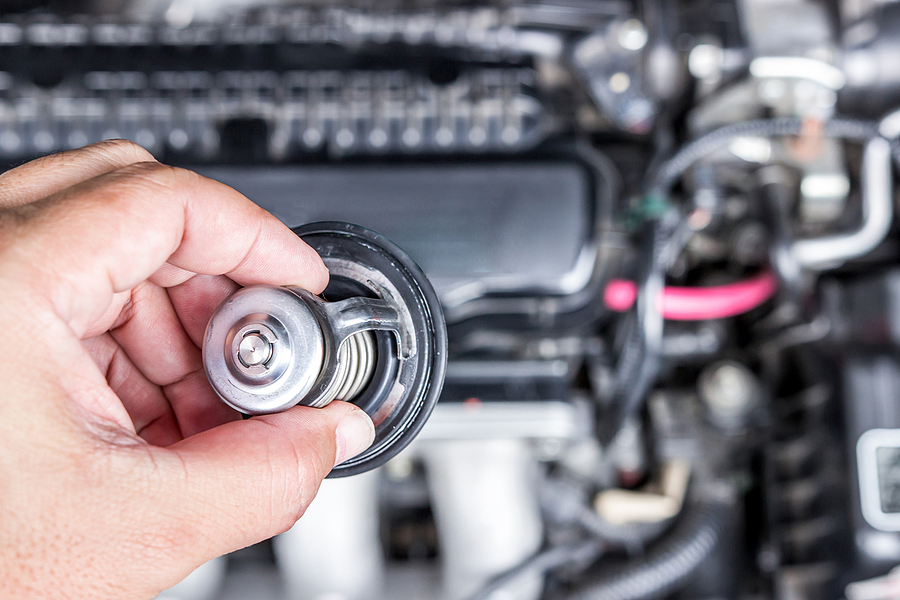
How a thermostat works and why it matters
The thermostat controls coolant flow between the engine and radiator. It stays closed while the engine warms up. When coolant reaches the set temperature, the thermostat opens and sends hot fluid to the radiator to cool. This keeps engine temperature steady, improves fuel efficiency, and protects parts from damage.
A stuck-open thermostat keeps the engine too cool. A stuck-closed thermostat causes overheating. Both create drivability problems and engine wear. Understanding these basics makes Auto Thermostat Troubleshooting easier and faster.
Common signs and causes of thermostat problems
Recognizing symptoms helps focus your Auto Thermostat Troubleshooting. Watch for these key signs:
- Engine temperature gauge stuck low or never reaches normal range.
- Rapid temperature swings or erratic needle movement.
- Overheating and steam from the radiator or overflow tank.
- Poor heater performance in cold weather.
- Coolant leaks around the thermostat housing or gasket.
Common causes include age, corrosion, mineral buildup in coolant, failed valve or spring, and incorrect thermostat type for the vehicle. Electric thermostats in modern cars can fail electrically as well. I once replaced thermostats on two fleet cars in one week; both showed different symptoms, which reinforced testing over guessing.
People also ask
Why does my car overheat when idling but cools when driving?
Often a stuck thermostat or weak cooling fan causes this. At speed, airflow through the radiator helps cool; at idle, the thermostat or fan should manage heat but may fail.
Can a bad thermostat cause poor fuel economy?
Yes. If the thermostat stays open, the engine runs cooler and fuel burns less efficiently, which hurts mpg.
How long does a thermostat usually last?
Most thermostats last 5–10 years depending on coolant quality and driving conditions. Regular coolant changes extend life.

Step-by-step Auto Thermostat Troubleshooting guide
Follow these steps in order to diagnose thermostat faults safely.
-
Safety first
- Park on level ground and let the engine cool for at least 30 minutes.
- Use gloves and eye protection when handling coolant.
-
Check temperature behavior
- Start the engine and watch the gauge. Note how quickly it rises and if it stabilizes.
- Turn on the cabin heater to max and feel for hot air once the engine should be warm.
-
Inspect visible parts
- Look for leaks or crusty coolant at the thermostat housing and hoses.
- Check hose softness and swelling. A collapsed hose can mimic thermostat issues.
-
Feel the upper radiator hose
- With the engine warm, carefully feel the upper hose. If it's cold while the engine is hot, the thermostat may be stuck closed.
- If the hose is warm from the start and stays warm, the thermostat may be stuck open.
-
Bypass test (for skilled DIYers)
- Temporarily bypass the thermostat to see if flow improves. This helps confirm a stuck thermostat.
- Only perform this when you know the procedure for your vehicle and have proper tools.
-
Thermostat bench test
- Remove the thermostat and place it in hot water with a thermometer.
- Observe the opening temperature. If it does not open near the rated temperature, replace it.
These steps make Auto Thermostat Troubleshooting clear and systematic. Take notes as you go to track behavior and results.
DIY fixes and replacement tips
Many thermostat issues are fixable at home. Here’s how to proceed and common mistakes to avoid.
-
Prepare the vehicle
- Gather the right replacement thermostat, new gasket or O-ring, coolant, and hand tools.
- Use the correct thermostat temperature rating specified by the manufacturer.
-
Replace the thermostat
- Drain coolant below the housing level. Remove housing bolts and swap the thermostat.
- Clean mating surfaces and install the new gasket. Tighten bolts to spec and refill coolant.
-
Bleed the cooling system
- Remove air pockets by following the bleed procedure for your car. Air causes hot spots and false readings.
-
Mistakes to avoid
- Do not reuse the old gasket or use the wrong thermostat orientation.
- Avoid cheap aftermarket parts with poor temperature tolerance.
- Don’t skip system bleeding.
From my shop work, the most common error is poor gasket sealing. Take time to clean surfaces and torque bolts evenly. This prevents leaks and repeat work.
Tools, parts, and cost estimates
Knowing tools and costs helps you plan Auto Thermostat Troubleshooting work.
-
Common tools
- Socket set and torque wrench
- Pliers and screwdrivers
- Coolant drain pan and funnel
- Thermometer for bench test
- Hose clamps or pliers for hose removal
-
Parts needed
- New thermostat (correct temp rating)
- Gasket or O-ring
- Coolant (use vehicle-specified type)
- Optional: new radiator hoses or clamps if old ones are worn
-
Cost estimates
- Thermostat and gasket: $15–$70 depending on make.
- Coolant: $10–$30 per gallon.
- Tools: $30–$150 if you need basics.
- Labor at a shop: $100–$300 extra if you prefer professional service.
I saved a friend nearly $200 when I walked them through parts selection and a careful DIY replace. Simple planning cuts cost and time.

When to seek professional help and replacement indicators
Sometimes you should stop DIY and call a pro.
-
Replace the thermostat if:
- Bench test shows it fails to open at spec.
- It leaks or shows heavy corrosion.
- Electric thermostat or housing is damaged.
-
Seek professional help if:
- You find coolant contamination like oil mixing with coolant.
- There is severe overheating or pressure issues.
- Your vehicle has complex electronic thermostats tied to engine computers.
A trusted mechanic can run pressure tests and scan engine codes. I recommend professional diagnosis when you see repeated failures or mixed-system issues.

Preventive maintenance to avoid thermostat trouble
Preventing problems saves time and money. Use these simple habits.
- Follow coolant change intervals and use the right coolant.
- Inspect hoses and clamps during oil changes or seasonal checks.
- Replace thermostat as preventive maintenance at high mileage or during major coolant service.
- Keep the cooling system clean and free of scale by using proper additives if recommended.
I once tracked a recurring thermostat failure to old coolant high in mineral deposits. A full flush and fresh coolant fixed long-term issues.
Frequently Asked Questions of Auto Thermostat Troubleshooting
What are the first signs of a bad thermostat?
Common first signs are a slow temperature rise, erratic gauge movement, or poor cabin heat. These symptoms usually appear before full failure.
Can I drive with a stuck thermostat?
Short trips may be possible, but driving with a stuck thermostat risks severe overheating and engine damage. Repair as soon as you can.
How do I test a thermostat without removing it?
You can feel hoses for temperature change, monitor gauge behavior, and check heater output. A bench test after removal gives a definitive result.
Does a thermostat affect heater performance?
Yes. A thermostat stuck open keeps engine cool and reduces heater output. A stuck closed can overheat the engine and also harm heater control.
How long does it take to replace a thermostat?
A DIY replacement typically takes 1–2 hours, depending on vehicle layout and condition. Shops often complete the job in less than an hour for most cars.
Conclusion
Auto Thermostat Troubleshooting is a straightforward way to fix common cooling problems and avoid costly engine damage. Follow the diagnostic steps, use the right parts, and bleed the system correctly to get reliable results. If you hit complex problems or electrical faults, get professional help. Try the steps here on your next cooling issue, subscribe for more repair guides, or leave a comment with your car model and symptoms so I can help you troubleshoot further.

