

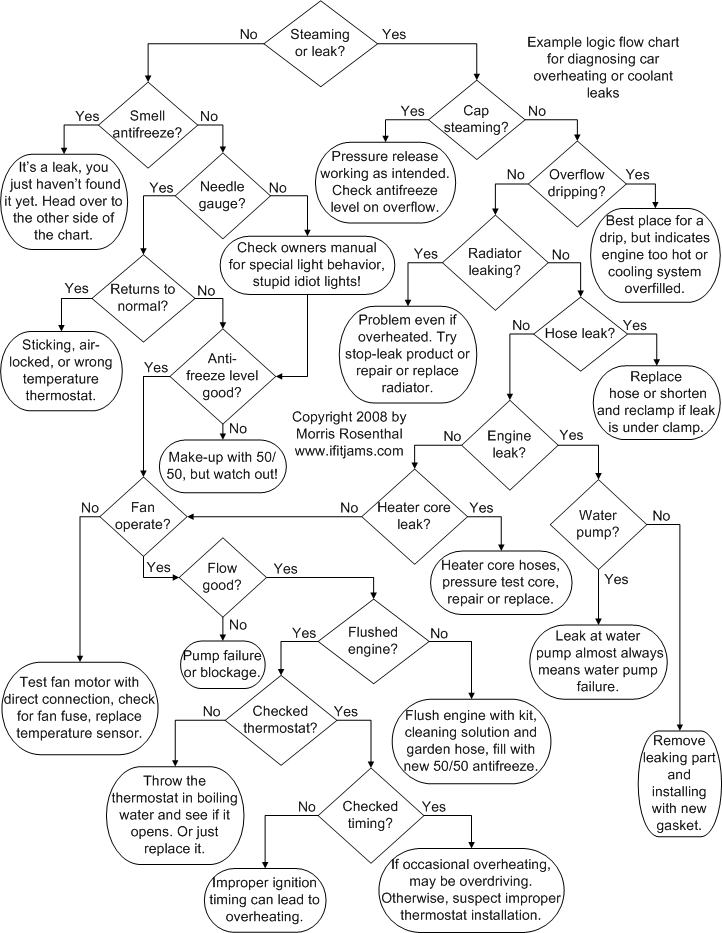
A faulty thermostat often causes overheating or poor heater performance; test and replace if stuck.
I’ve worked on dozens of cooling systems and written repair guides for years. This article on Car Thermostat Troubleshooting gives clear steps, real examples, and practical tips to find, test, and fix thermostat issues. You’ll learn how thermostats fail, how to diagnose problems fast, and when to DIY or go to a shop. Read on for simple checks, tools to use, and safe repair advice that saves time and money.

36% off Today’s Exclusive Deals
Limited-time Exclusive Deals. Check current discount on Amazon.
Check Price on Amazon As an Amazon Associate I earn from qualifying purchases.
How the thermostat fits into the cooling system
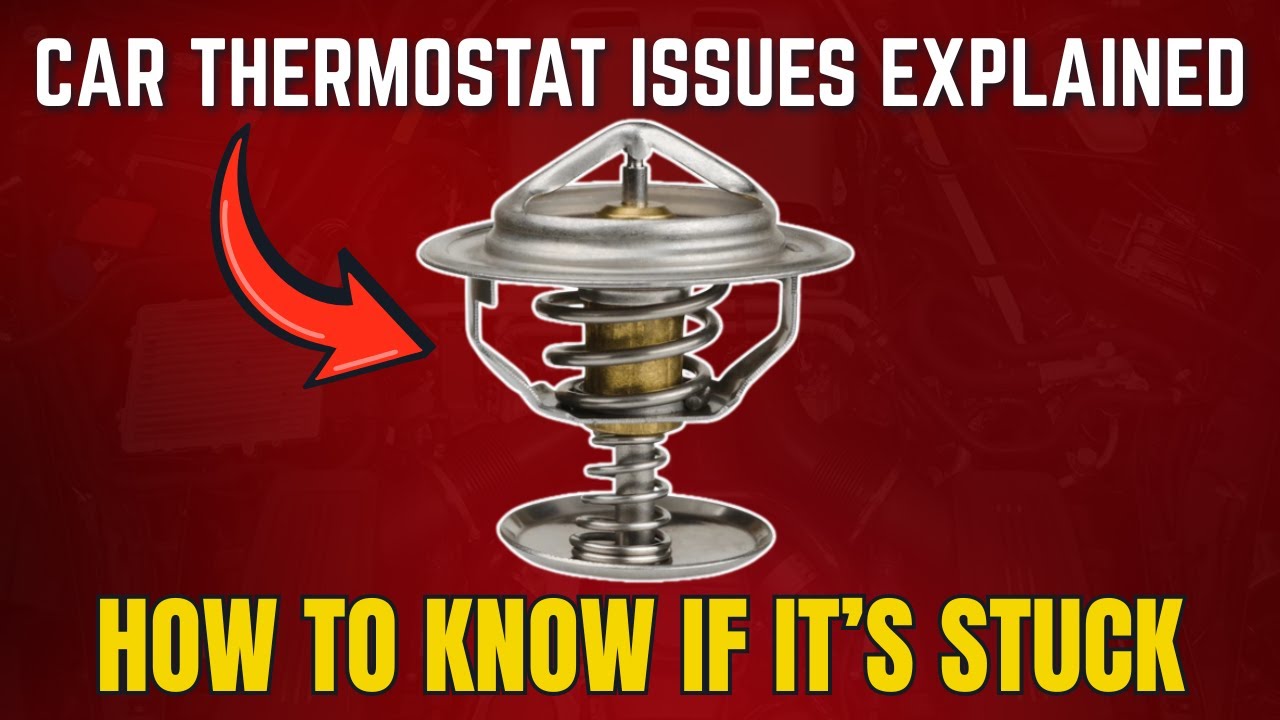
A car thermostat sits between the engine and radiator. It controls coolant flow based on temperature. When the engine is cold, the thermostat stays closed. When warm, it opens and lets coolant flow to the radiator.
Understanding this part is key to Car Thermostat Troubleshooting. A stuck thermostat changes engine temperature quickly. That can cause overheating or long warm-up times. Knowing its role makes diagnosis faster and more accurate.

Common symptoms of thermostat failure
Coolant is not flowing right when the thermostat fails. Symptoms are usually easy to spot. Look for these signs.
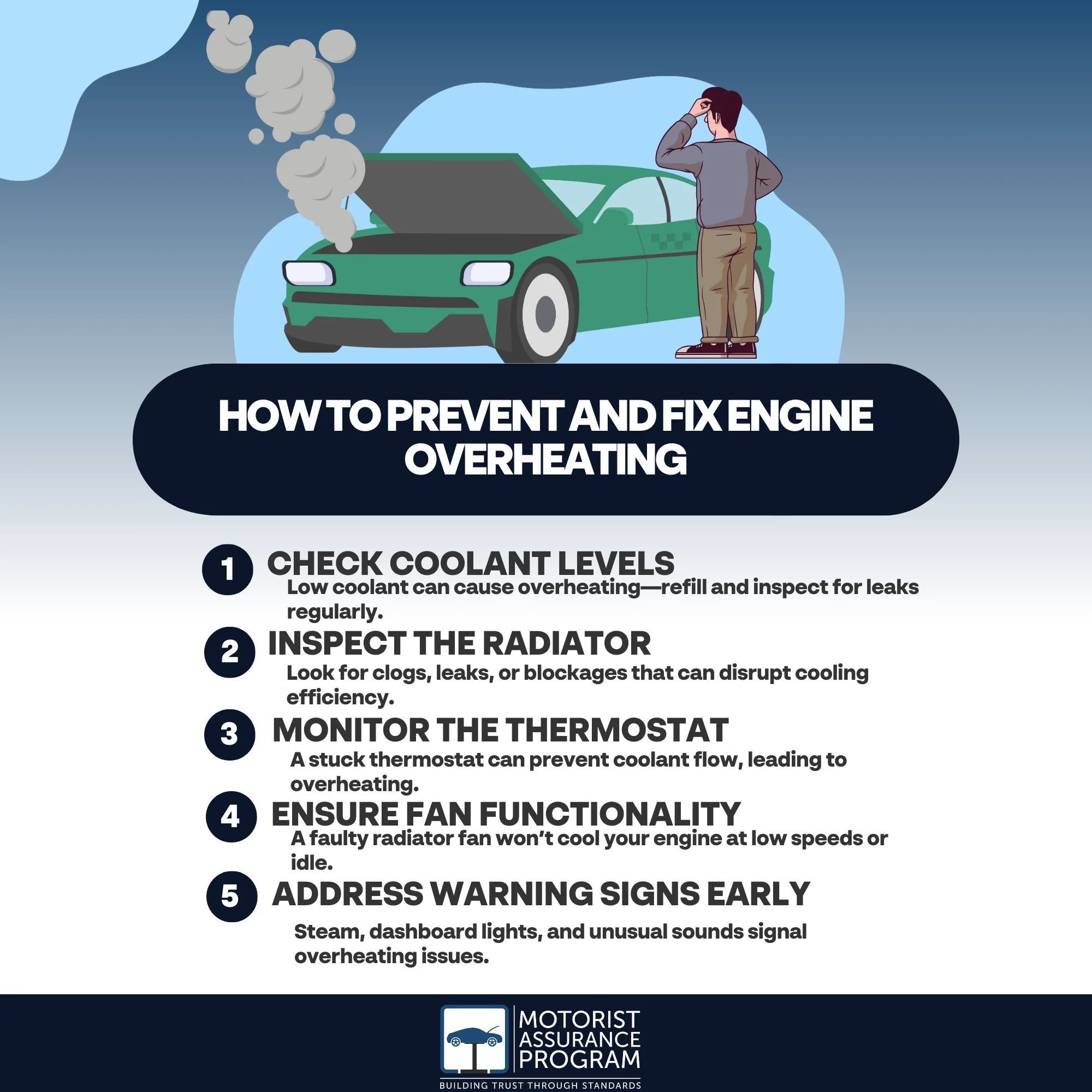
- Engine overheats quickly under load and then cools slowly.
- Cabin heat is weak even when engine is hot.
- Temperature gauge jumps between low and high.
- Coolant leaks around the thermostat housing.
- Engine takes a long time to reach operating temperature.
Spotting these signs early helps with Car Thermostat Troubleshooting. Many drivers ignore small symptoms. Fixing the thermostat early avoids head gasket damage and more costly repairs.
Simple tests to try first
Start with low-cost checks. These quick tests often reveal the problem without removing parts.
- Visual check of coolant level and color. Low or rusty coolant can hide other issues.
- Warm-up test: run the car and watch the upper radiator hose. It stays cool if the thermostat is closed. It warms up when the thermostat opens.
- Temperature gauge check: note how long it takes to reach normal temp. Very slow or very fast is a clue.
- Cabin heat test: poor heater output often means the thermostat is stuck open.
- DIY boiling test: remove the thermostat and heat it in water to watch it open at the rated temp. Use care and protective gloves.
These tests are central to practical Car Thermostat Troubleshooting. They help you decide if the thermostat is the culprit or if the issue lies elsewhere.
How to remove and inspect the thermostat
Follow safe steps and basic tools. This process is straightforward for most cars.
- Gather tools: sockets, pliers, gasket scraper, catch pan, new gasket or O-ring.
- Cool the engine fully before draining any coolant.
- Drain coolant to below the thermostat housing level.
- Remove housing bolts and pull out the thermostat carefully.
- Inspect for corrosion, scale, or a stuck valve. Check the gasket surface for damage.
Seeing a thermostat stuck closed or corroded confirms the diagnosis. If the valve looks clean but behavior is wrong, consider a replacement anyway. Old thermostats can fail intermittently.
Replacement steps and tips
Replacing a thermostat is a common DIY job. Follow these practical tips for a clean job.
- Use the correct thermostat with proper temperature rating and orientation.
- Replace the housing gasket or O-ring every time.
- Clean mating surfaces and remove old sealant.
- Torque bolts to spec and avoid over-tightening.
- Refill coolant, bleed the system, and run the engine to check for leaks.
- Recheck temperature behavior on a test drive.
Proper installation prevents future leaks and run issues. Car Thermostat Troubleshooting should include a careful refill and bleed to avoid air pockets.

Tools, parts, and safety checklist
Working safely saves money and keeps you healthy. Use the right parts and PPE.
- Essential tools: socket set, torque wrench, coolant drain pan, pliers, scraper.
- Consumables: correct thermostat, gasket, coolant, thread sealant if required.
- Safety gear: gloves, eye protection, and a long-handled funnel.
- Safety steps: never open a hot radiator, dispose of coolant properly, clean spills.
I learned early that skipping a proper bleed leads to air locks. That mistake cost me an extra hour and a second coolant flush. Follow the checklist and save time.

When to seek professional help
Some problems need a shop. Know when to stop and call for help.
- Complex leaks, warped heads, or persistent overheating after replacement.
- If you find coolant mixing with oil or see white smoke, get a pro diagnosis.
- Lack of tools or comfort with draining and refilling coolant calls for a shop.
- If the temperature sensor or control circuits might be faulty, let a technician test them.
Good Car Thermostat Troubleshooting includes knowing limits. A mechanic can run pressure and compression tests that are hard at home.
Costs, parts, and time estimates
Quick estimates help plan the job. Prices vary by vehicle and region.
- Typical thermostat part: low to mid price range for most cars.
- Labor: about 0.5 to 2 hours for most models at a shop.
- DIY time: plan 1–3 hours including bleeding the system and cleanup.
- Extra costs: coolant, gasket, and any hose replacement if needed.
I replaced thermostats on both my personal cars. Parts were cheap. The biggest time sink was bleeding air. Budget time and a small amount for coolant to avoid surprises.
Common mistakes to avoid
Avoid these errors to make troubleshooting effective.
- Skipping the coolant bleed step, which causes air pockets.
- Installing thermostat backward. Orientation matters.
- Reusing an old gasket or O-ring.
- Not checking hoses and radiator cap when diagnosing.
- Assuming the thermostat is the only issue; water pump or blockage can mimic symptoms.
Learning from mistakes speeds up future Car Thermostat Troubleshooting. Take five extra minutes to confirm each step.
Real-life examples and lessons learned
I once diagnosed a car that overheated only on long drives. The thermostat was fine. A partially blocked radiator caused the issue. After flushing the radiator and replacing a weak thermostat, the problem stopped.
Another time, a stuck-open thermostat left a truck cold in winter. A simple thermostat swap restored cabin heat and fuel efficiency. These cases taught me to check the whole cooling system and not jump to conclusions.
PAA-style questions (quick answers)
What causes a thermostat to fail?
Most thermostats fail from corrosion, scale buildup, or a stuck valve due to age and poor coolant maintenance.
Can I drive with a bad thermostat?
Short trips are possible, but driving with a stuck thermostat risks overheating and severe engine damage.
How long does a thermostat replacement take?
A typical replacement takes 1 to 3 hours for most DIYers, depending on access and bleeding time.
Will a bad thermostat affect fuel economy?
Yes. A thermostat stuck open keeps the engine cool and lowers fuel efficiency until it reaches operating temperature.
How do I know thermostat temperature rating?
Check the part number or vehicle manual; thermostats are rated by opening temperature in degrees Fahrenheit or Celsius.
Frequently Asked Questions of Car Thermostat Troubleshooting
What are the first signs of thermostat problems?
The first signs include engine overheating, long warm-up time, and inconsistent temperature gauge readings. These are often clear indicators that Car Thermostat Troubleshooting is needed.
Can a bad thermostat cause coolant leaks?
Yes, a failing thermostat housing or gasket can leak coolant. Leaks often appear near the housing and may coincide with temperature issues.
Is thermostat replacement covered under warranty?
It depends on your vehicle’s warranty. Many warranties cover the thermostat if failure is due to manufacturing defect, but check your plan details.
How often should I replace the thermostat?
Replace the thermostat when it fails or when you do major cooling system service. Routine coolant changes reduce the chance of premature failure.
Do modern cars have electric thermostats?
Some newer cars use electronically controlled thermostats. Diagnosis may require scan tools and professional testing.
Conclusion
Car Thermostat Troubleshooting is mostly about simple checks, safe removal, and careful replacement. Look for overheating, slow warm-up, and weak heater output. Use basic tools, replace gaskets, and bleed the system correctly. When in doubt, ask a trusted mechanic to run pressure and sensor tests. Take action early to avoid costly engine damage and keep your car running right. Share your experience, ask questions, or subscribe for more practical auto repair guides.

