

Most Chevy transmission issues arise from fluid problems, sensors, or mechanical wear.
I’ve spent years diagnosing and fixing Chevy transmissions, and this guide breaks down Chevy Transmission Troubleshooting in clear, practical steps. You’ll get easy diagnostics, real-world tips, and safe repair paths so you can spot problems, understand causes, and decide when to DIY or visit a shop.

36% off Today’s Exclusive Deals
Limited-time Exclusive Deals. Check current discount on Amazon.
Check Price on Amazon As an Amazon Associate I earn from qualifying purchases.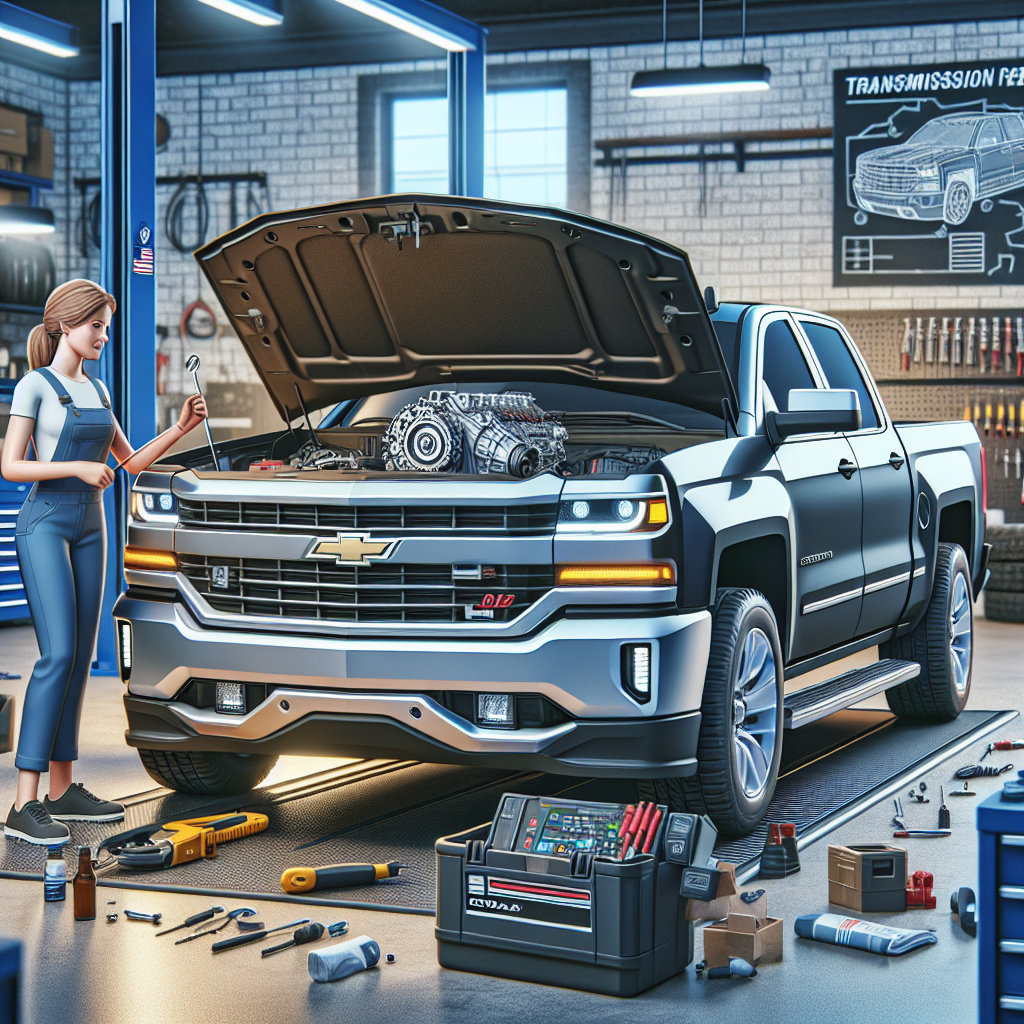
Common Chevy Transmission Symptoms to Watch For
Recognizing symptoms early helps prevent bigger failures. Chevy Transmission Troubleshooting starts with spotting these signs.
Common symptoms
- Slipping gears during acceleration or low power delivery.
- Harsh or delayed shifts when changing gears.
- Transmission overheating or fluid that smells burnt.
- Unusual noises like whining, clunking, or humming.
- Transmission fluid leaks under the vehicle.
How symptoms tie to causes
- Slipping often points to low fluid or worn clutches.
- Delayed shifts can be from solenoids, control modules, or low fluid.
- Overheating may mean blocked cooler lines or heavy towing without fluid changes.
Personal note: I once diagnosed a Chevy truck that felt like it was slipping. It turned out to be old fluid and a clogged cooler line. A fluid change and flush fixed it. That experience taught me to check simple items first.

How to Diagnose Your Chevy Transmission (Step-by-Step DIY)
A clear method saves time and money. Follow this Chevy Transmission Troubleshooting checklist.
Step 1: Visual check
- Inspect for leaks under the car and around the pan.
- Check transmission fluid level and color with the dipstick if available.
Step 2: Fluid inspection - Healthy fluid is bright red or pink and smells fresh.
- Dark, brown, or burning-smelling fluid indicates trouble.
Step 3: Scan for codes - Use an OBD-II scanner to read transmission and engine codes.
- Note codes and look up basic meanings to guide repair steps.
Step 4: Road test - Drive on a quiet road and reproduce the issue safely.
- Note at what speed or RPM problems occur and whether they are consistent.
Step 5: Basic component tests - Check shift cable or linkage adjustment for manual connections.
- Test the transmission cooler lines for warmth difference to find blockages.
Step 6: Solenoid and sensor checks - Use a multimeter to test solenoid resistance if you have the manual.
- Inspect wiring harnesses for damage or corrosion.
Safety tips
- Work on a level surface and use jack stands for safety.
- Allow the vehicle to cool before checking fluid or working near the pan.
Chevy Transmission Troubleshooting tip: start with the simplest checks first. Fluid level and codes often point you in the right direction.

Tools and Equipment You Need
Good tools make Chevy Transmission Troubleshooting faster and safer.
Essential tools
- OBD-II scanner for reading transmission codes.
- Multimeter for electrical checks.
- Basic socket set and torque wrench.
- Fluid pump for filling transmissions with minimal mess.
- Catch pan and rags for fluid changes.
Optional tools - Transmission jack or lift for major repairs.
- Pressure gauge to test hydraulic pressure.
- Repair manual or factory service data for specs.
Personal note: I always keep a good scanner and a fluid pump in my trunk. They save hours on roadside diagnoses.

Common Causes and Practical Fixes
Understanding root causes helps you fix problems that matter. Here are common culprits and what to do.
Low or contaminated transmission fluid
- Cause: Leaks, overdue service, or poor-quality fluid.
- Fix: Repair leaks, flush fluid, and refill to spec.
Faulty solenoids or sensors - Cause: Electrical faults, wear, or clogging.
- Fix: Test solenoids, replace as needed, and clean connections.
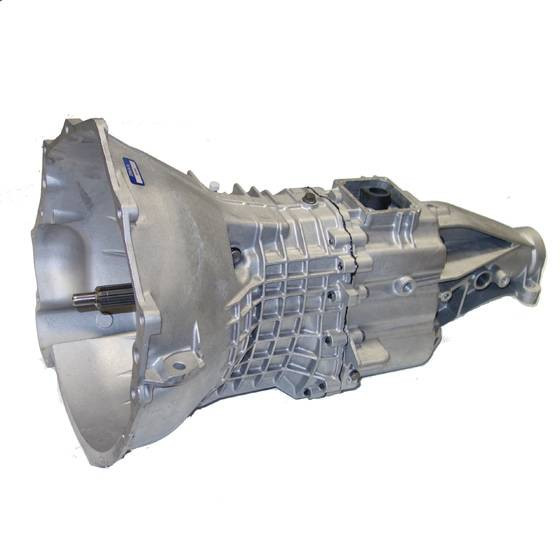
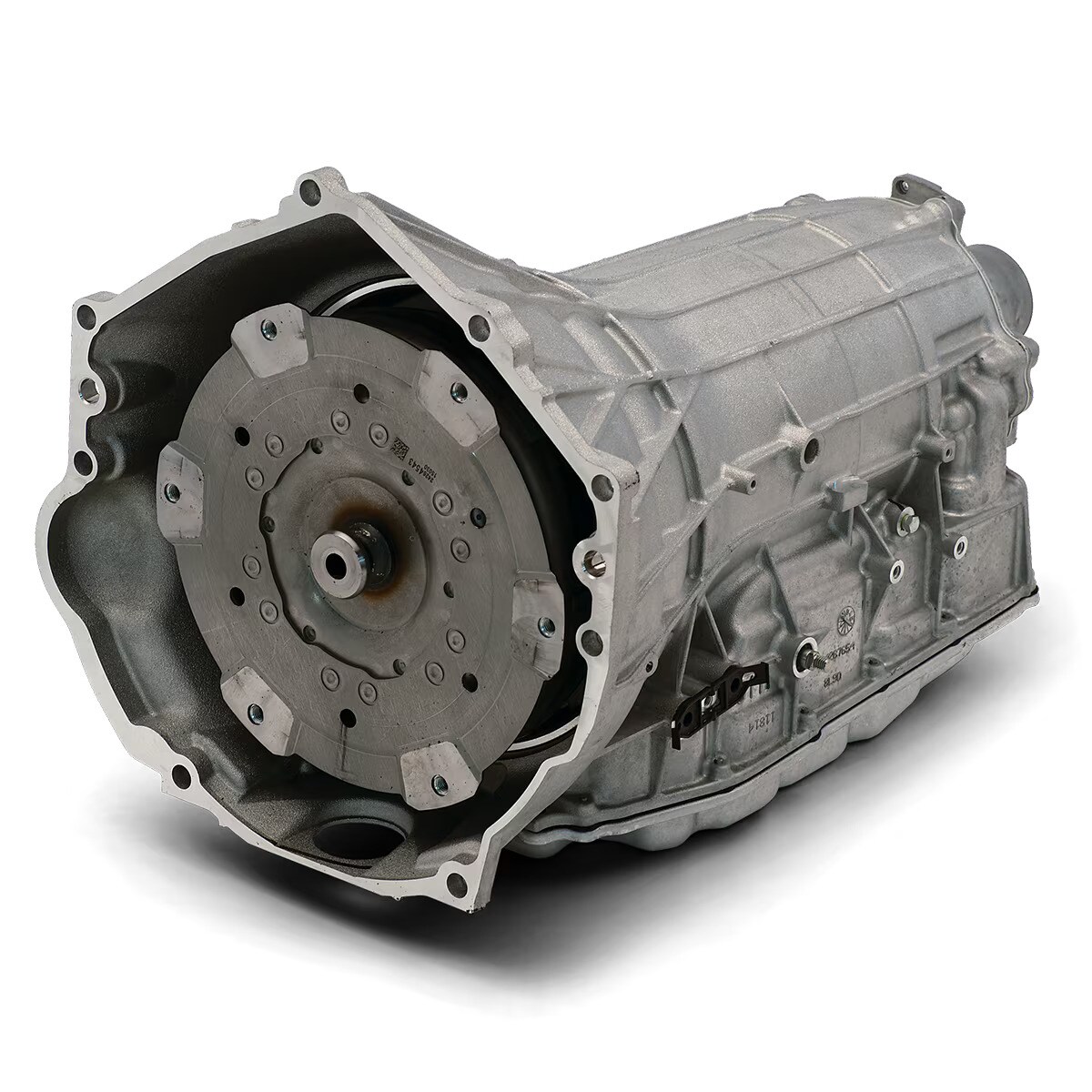
Worn clutch packs or bands (automatic) - Cause: High mileage, heat, or tow stress.
- Fix: Rebuild or replace transmission components; professional service often required.
Torque converter issues - Cause: Internal damage or failing bearings.
- Fix: Replace torque converter; linked to transmission rebuilds sometimes.
Valve body problems - Cause: Sticking valves, worn bores, or contamination.
- Fix: Clean or replace valve body; requires moderate skill and tools.
Control module and software issues - Cause: Faulty TCM or outdated software.
- Fix: Reflash or replace module; dealer or advanced shop recommended.
Chevy Transmission Troubleshooting is about matching symptom to cause. If codes point to a solenoid, test it. If fluid looks burnt, start with a flush.

Maintenance and Prevention for Longer Life
Routine care reduces the chance you’ll need heavy Chevy Transmission Troubleshooting later.
Simple maintenance tasks
- Check fluid level every oil change or monthly if you tow.
- Change transmission fluid and filter on the schedule in your owner’s manual.
- Use manufacturer-recommended fluid types only.
- Inspect cooling system and coolers when towing heavily.
Best practices - Avoid riding the brake or excessive idling when possible.
- Let the vehicle warm up on cold mornings to improve shift quality.
- Address warning lights promptly to avoid cascading failures.
From my experience: trucks used for towing need more frequent fluid changes. Treat towing rigs with extra care to prevent heat-related failures.

When to Seek Professional Help and Cost Expectations
Some Chevy Transmission Troubleshooting is safe to DIY. Other times you need a pro.
When to go to a shop
- Rebuilds or major internal repairs.
- Torque converter replacement or intricate valve body work.
- Complex electrical or module problems requiring reflash.
Cost guidelines - Simple fluid change and filter: moderate cost, often under a few hundred dollars.
- Solenoid replacement: several hundred to a thousand depending on labor.
- Rebuild or replacement: one to several thousand dollars, depending on parts and labor.
Be transparent with the shop. Share your diagnostic steps and codes. This saves time and ensures they focus on the real problem.
People Also Ask — Quick Chevy Transmission Troubleshooting Questions
What if my Chevy transmission slips only when warm?
- Slipping when warm often means fluid is breaking down under heat or internal wear is more pronounced at operating temperature.
Can a transmission solenoid cause no reverse gear?
- Yes, a faulty solenoid or wiring issue can prevent reverse engagement; testing the solenoids and wiring is the first step.
Is it safe to drive with a leaking transmission?
- Short trips might be possible, but driving with a leak risks severe damage; top up fluid and repair the leak promptly.
Frequently Asked Questions of Chevy Transmission Troubleshooting
What is the first thing to check for transmission problems?
Check fluid level and condition, then scan for OBD-II codes to guide your next steps.
How often should I change my Chevy transmission fluid?
Follow the owner’s manual, but many recommend every 30,000 to 60,000 miles for normal use; towing may require more frequent changes.
Can low transmission fluid cause shifting problems?
Yes. Low fluid can cause slipping, delayed shifts, overheating, and erratic behavior.
Will a transmission flush fix burnt fluid?
A flush can help if damage is not severe, but burnt fluid may indicate internal wear that requires deeper repair.
How long does a typical transmission rebuild take?
A full rebuild usually takes several days to a week, depending on parts availability and shop workload.
Can software updates fix transmission shifting issues?
Sometimes. TCM reflashes and updates can resolve adaptive learning and calibrations issues that cause poor shifting.
Is it worth repairing an old Chevy transmission?
Weigh repair costs against vehicle value and mileage. For high-value or well-maintained vehicles, repairs often make sense; otherwise, replacement or selling might be better.
Conclusion
Chevy Transmission Troubleshooting is about careful observation, basic diagnostics, and smart decisions. Start with fluid and codes, use the right tools, and address problems early to avoid costly rebuilds. If a repair looks complex or costly, get a professional estimate before committing. Take action now: check your fluid, scan for codes, and schedule maintenance to keep your Chevy shifting smoothly. Share your experiences or questions below and subscribe for more practical auto tips.

