

Most Dometic AC issues come from airflow, power, or thermostat faults.
I’ve spent years working on RVs and marine systems, troubleshooting many Dometic units. This guide on Dometic Air Conditioner Troubleshooting pulls practical repair steps, real-world tips, and clear diagnostics into one place. You’ll get simple checks, step-by-step fixes, and advice on when to call a technician. Read on to quickly find and fix the common problems that stop your Dometic air conditioner from cooling reliably.

36% off Today’s Exclusive Deals
Limited-time Exclusive Deals. Check current discount on Amazon.
Check Price on Amazon As an Amazon Associate I earn from qualifying purchases.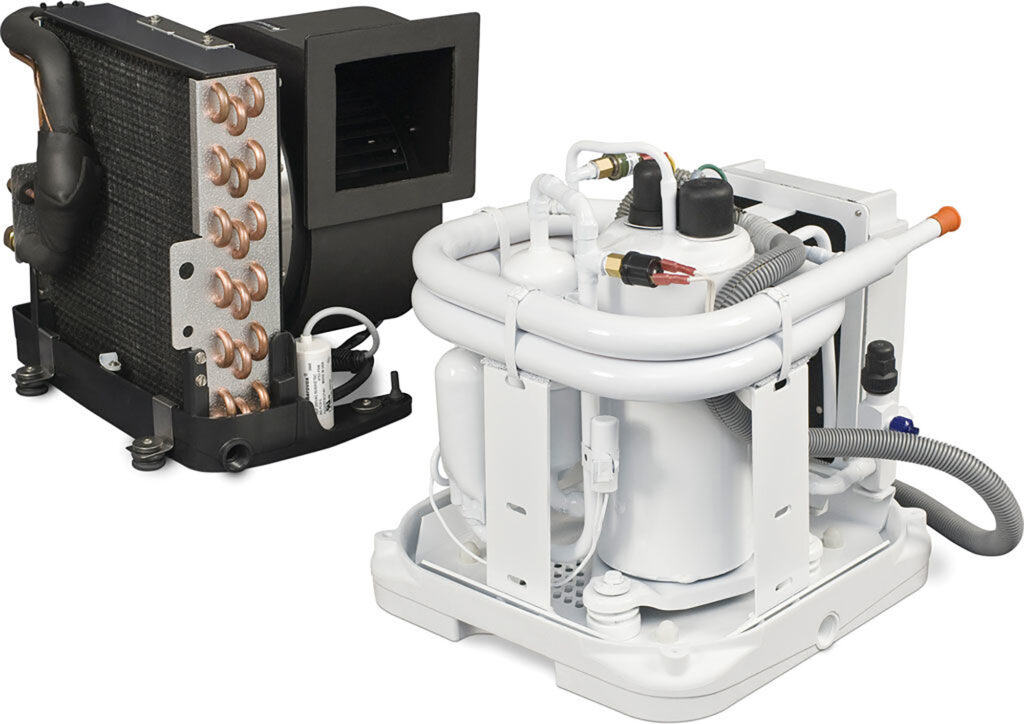
How Dometic air conditioners work — quick primer
Dometic air conditioners use a closed refrigerant loop, a compressor, condenser, evaporator, blower, and thermostat. The compressor pumps refrigerant through the system to move heat from inside your RV or boat to the outside. Fans move air across coils to cool or heat the cabin. Understanding this basic flow helps you find where trouble starts.
Common sensors and controls include a thermostat, high/low pressure switches, fan relays, and a control board. Faults usually show as no cooling, weak airflow, strange noises, or system shutdowns. Knowing where to look speeds up Dometic Air Conditioner Troubleshooting and reduces repair time.

Common problems and what causes them
Here are the top issues you’ll see with Dometic units and likely causes.
- No power or unit won’t turn on
- Tripped breaker, blown fuse, poor shore power, or bad wiring.
- Runs but doesn’t cool
- Dirty filters, blocked airflow, low refrigerant, or a failing compressor.
- Weak airflow
- Clogged filter, broken fan motor, or obstructed vents.
- Ice on evaporator coil
- Low refrigerant, poor airflow, or stuck expansion valve.
- Frequent cycling or short runs
- Thermostat errors, wrong mode settings, or electrical faults.
- Loud or unusual noises
- Loose parts, failing bearings in fan motors, or compressor problems.
Each of these warrants a focused Dometic Air Conditioner Troubleshooting approach. Start with the simplest checks and move to more complex diagnostics.
Step-by-step troubleshooting guide
Follow these steps in order. Short, safe checks first. Then deeper diagnostics.
-
Safety first
- Turn off power at the breaker and disconnect shore power before inspecting wiring or moving panels.
- Use insulated tools and wear gloves when needed.
-
Verify power and controls
- Check breakers and fuses for the AC and the RV/boat’s main supply.
- Confirm the control panel displays power. Replace fuses or reset breakers if needed.
-
Inspect filters and vents
- Remove and clean filters. A dirty filter can cut cooling by half.
- Check supply and return vents for blockage or closed dampers.
-
Listen and look
- Turn unit on and listen for compressor and fans. Note clicks, hums, or grinding.
- Look for visible ice on coils or oil stains around connections.
-
Check thermostat and settings
- Ensure thermostat is set to cool and below room temp.
- Replace thermostat batteries or test with a known-good thermostat if available.
-
Test fan motors and blower
- If the fan doesn’t turn, test for 120V/240V at the fan motor (as appropriate).
- Replace worn fan motors or belts if needed.
-
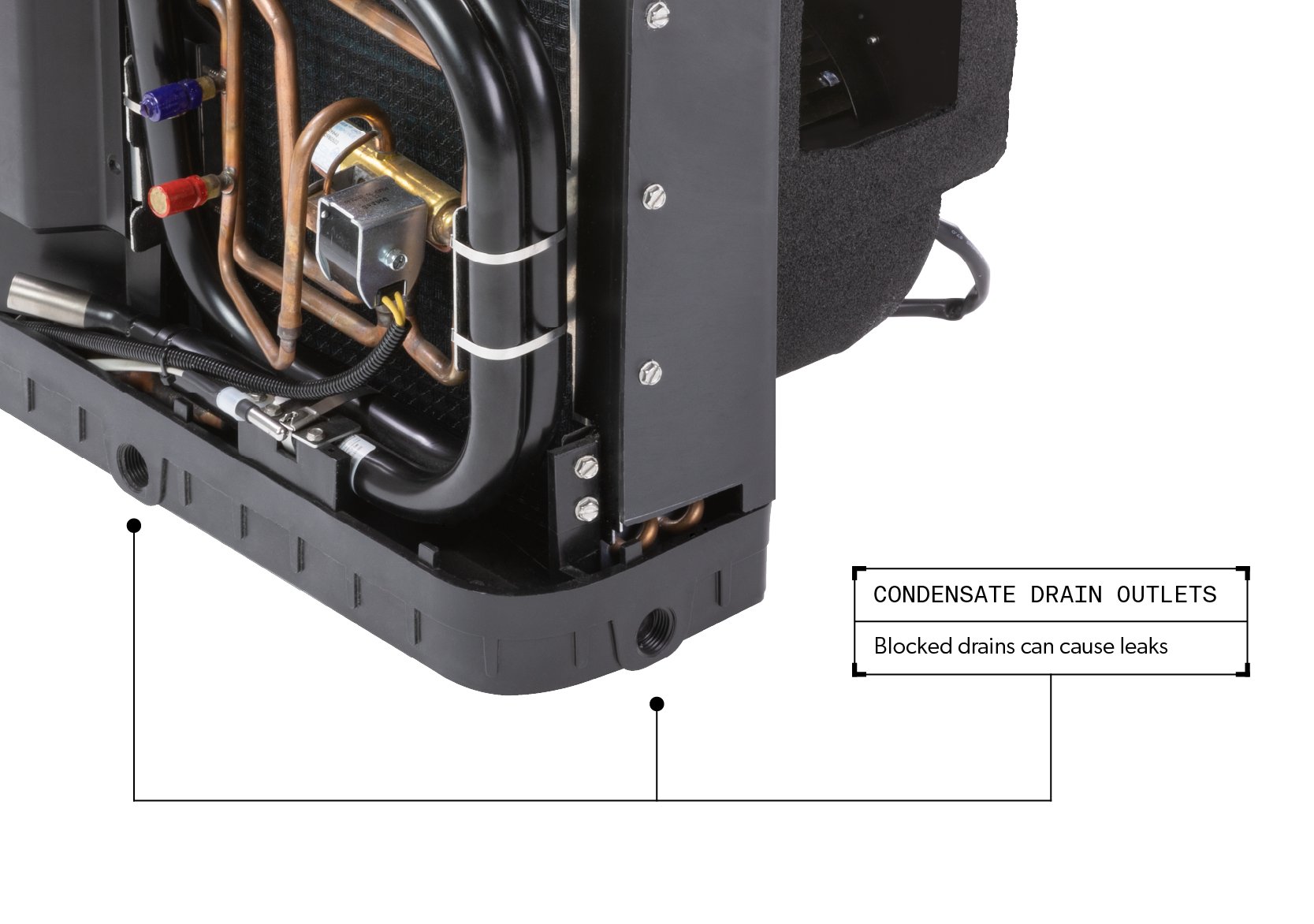
Inspect condensate and drainage
- Blocked drain pans or lines can trigger safety switches. Clear blockages and clean the drain pan.
-
Evaluate refrigerant issues (only if licensed or leave to pros)
- Signs of low refrigerant include poor cooling and ice on the evaporator.
- Refrigerant work requires certification and specialized tools. Call a certified HVAC technician for repairs.
-
Check safety switches and sensors
- High-pressure, low-pressure, or float switches can shut down the system. Test or bypass carefully for diagnostics only.
-
Control board and relays
- Faulty relays or a burned control board cause intermittent operation. Inspect for burnt components and loose connectors.
These steps form a practical Dometic Air Conditioner Troubleshooting routine you can follow on most models. Keep a log of observations to speed up repairs next time.

Tools, parts, and quick replacements to keep on hand
Having the right items speeds up Dometic Air Conditioner Troubleshooting.
- Basic tools
- Multimeter for voltage and continuity checks.
- Screwdrivers, nut drivers, and socket set.
- Flashlight and a mirror for hard-to-see spots.
- Common spare parts
- Fuses and circuit breakers sized for your unit.
- Replacement air filters and foam seals.
- Capacitors and common-relay replacements for fan/compressor motors.
- Safety gear
- Insulated gloves and safety glasses.
- A cordless vacuum or brush for cleaning coils.
Carrying these parts saved me a few roadside repairs while on trips. Small fixes like replacing a capacitor or filter are often the fastest way to restore cooling.
Model-specific tips and error codes
Dometic models often show error codes on control panels. Knowing common codes speeds diagnostics.
- E1, E2 types
- Often related to sensor failures or communication errors. Check wiring and sensor connectors.
- High/Low pressure codes
- Indicate refrigerant or airflow issues. Check filters and condenser fan operation.
- Overheat or compressor codes
- Could mean restricted airflow, failing compressor motor, or high ambient temps.
Always consult your unit’s manual for exact code definitions. If the control board reports repeated errors after simple fixes, the board or sensors may need replacement. This is a common area where Dometic Air Conditioner Troubleshooting benefits from the model-specific manual.

Maintenance schedule to prevent issues
A simple maintenance routine prevents many Dometic AC problems.
- Monthly during use
- Clean or replace filters.
- Check vents and remove dust or debris.
- Every 3 months
- Clean condenser fins and blow out the evaporator area if accessible.
- Lubricate fan motor bearings if recommended by the manual.
- Annually before season
- Inspect electrical connections and test capacitors.
- Have a certified pro check refrigerant charge and system pressures.
Good maintenance reduces emergency repairs and increases unit life. I follow a pre-trip checklist and a seasonal tune-up for each RV to avoid surprise breakdowns.

When to call a professional
You should call a licensed HVAC or mobile technician when:
- Refrigerant work is needed. Laws require certified techs for recharge and repairs.
- You see oil or refrigerant leaks.
- The compressor makes hard clunking noises or won’t start.
- Control boards repeatedly fail after testing.
- You’re uncomfortable working on electrical components.
A pro saves time and prevents costly mistakes. Dometic Air Conditioner Troubleshooting is often safe at the basic level, but certified technicians handle pressure-related and sealed-system repairs.
Troubleshooting tips from hands-on experience
Here are the real lessons that come from fixing dozens of units.
- Start simple: 70% of visits are solved by cleaning filters, resetting breakers, or securing a connector. Don’t overcomplicate the fix.
- Keep spares: A capacitor or relay can fail suddenly. A small parts kit will get you back cooling fast.
- Log problems: Note symptoms, times, and error codes. Patterns often reveal cause.
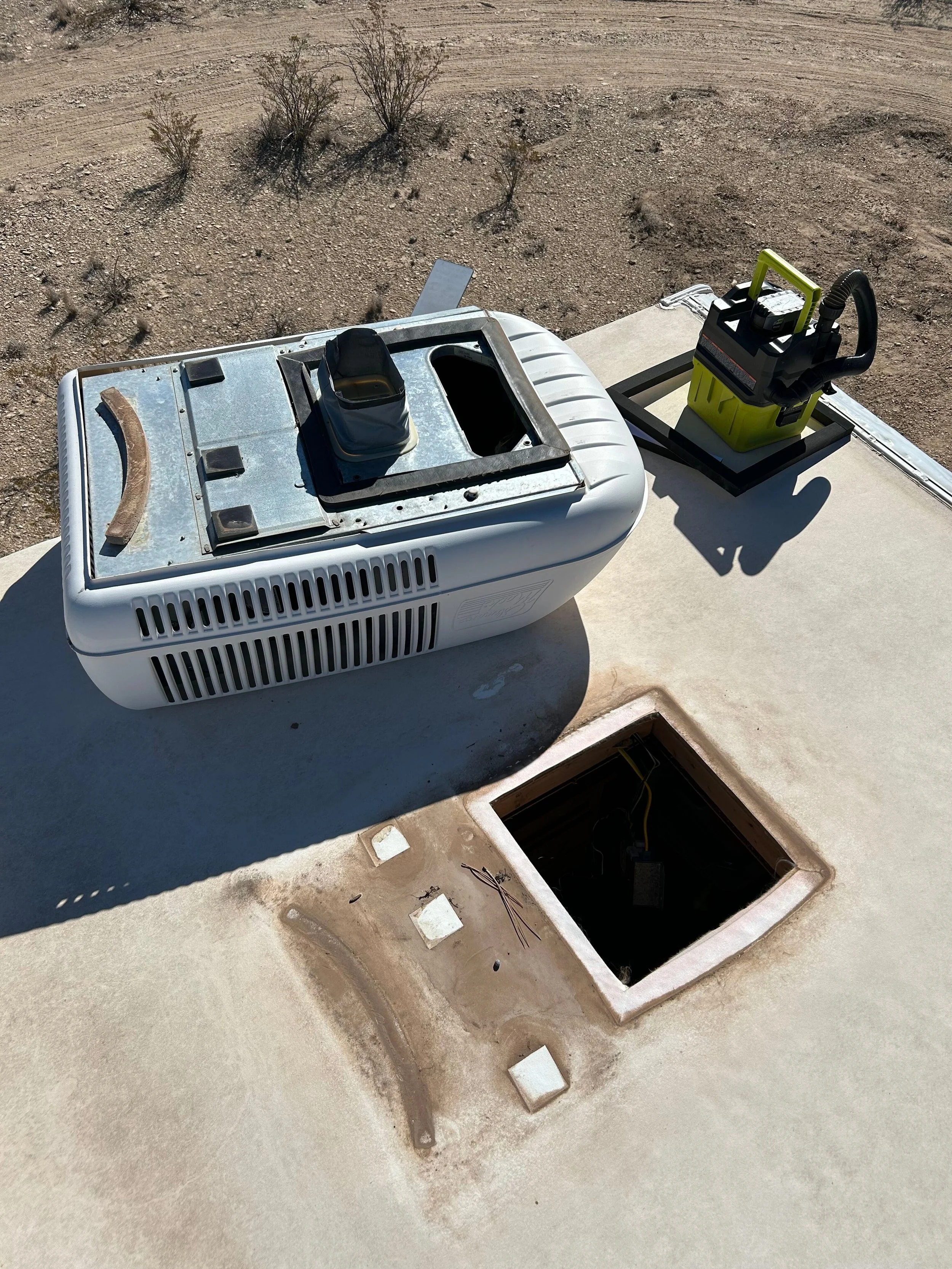
- Respect seals: Damaging or improperly seating seals on the rooftop unit invites water damage and electrical faults.
- Know your limits: If a test requires opening the refrigerant circuit or high-voltage checks, stop and call a pro.
These practical tips make Dometic Air Conditioner Troubleshooting faster and safer. I learned to trust simple checks before calling in service techs, and that mindset saved time and money.
People also ask (PAA-style)
-
Why won’t my Dometic air conditioner turn on?
- Check power at the breaker and fuses first. If power is present, inspect control panel wiring and replace blown fuses.
-
What causes a Dometic AC to freeze up?
- Poor airflow from dirty filters or low refrigerant can cause the evaporator coil to freeze. Clean filters and check airflow before suspecting refrigerant.
-
How often should I replace the air filter?
- Replace or clean filters every 1 to 3 months during heavy use. More frequent changes help keep cooling performance high.
Frequently Asked Questions of Dometic Air Conditioner Troubleshooting
What should I check first if my Dometic AC won't cool?
Start with power, filters, and vents. Clean or replace the air filter and ensure supply and return vents are open and unobstructed.
How do I know if the compressor is failing?
Listen for loud clunks, humming, or repeated start attempts. If the compressor runs but no cooling occurs, it may be failing or low on refrigerant.
Can I recharge refrigerant myself?
No. Refrigerant handling requires certification and specialized equipment. Hire a licensed technician to recharge or repair sealed systems.
Why does my Dometic AC make loud noises?
Noises often come from worn fan bearings, loose panels, or failing compressor mounts. Tighten parts and inspect fan motors; replace worn components if needed.
How long should a Dometic air conditioner last with proper maintenance?
With regular maintenance, many Dometic units last 8 to 15 years depending on usage and environment. Coastal salty air or heavy-duty use shortens lifespan without extra care.
Conclusion
Dometic Air Conditioner Troubleshooting is mostly about methodical checks: power, airflow, and control checks first, then electrical and refrigerant diagnostics. Small fixes like cleaning filters or replacing a capacitor often restore cooling quickly. Use the step-by-step guide above, keep basic spares on hand, and call a certified pro for sealed-system or refrigerant work. Take action now: inspect your filters, test basic functions, and schedule a seasonal tune-up to avoid future breakdowns. Leave a comment below with your unit model and symptoms if you want troubleshooting help.

