

Most double diaphragm pump issues come from air supply, valves, diaphragms, or suction problems.
I have worked with industrial pumps for years and have troubleshot dozens of failed systems. This article dives deep into Double Diaphragm Pump Troubleshooting. You will get clear steps, quick checks, and real-world tips. Read on to learn how to diagnose, fix, and prevent the common faults that stop a pump from working.

36% off Today’s Exclusive Deals
Limited-time Exclusive Deals. Check current discount on Amazon.
Check Price on Amazon As an Amazon Associate I earn from qualifying purchases.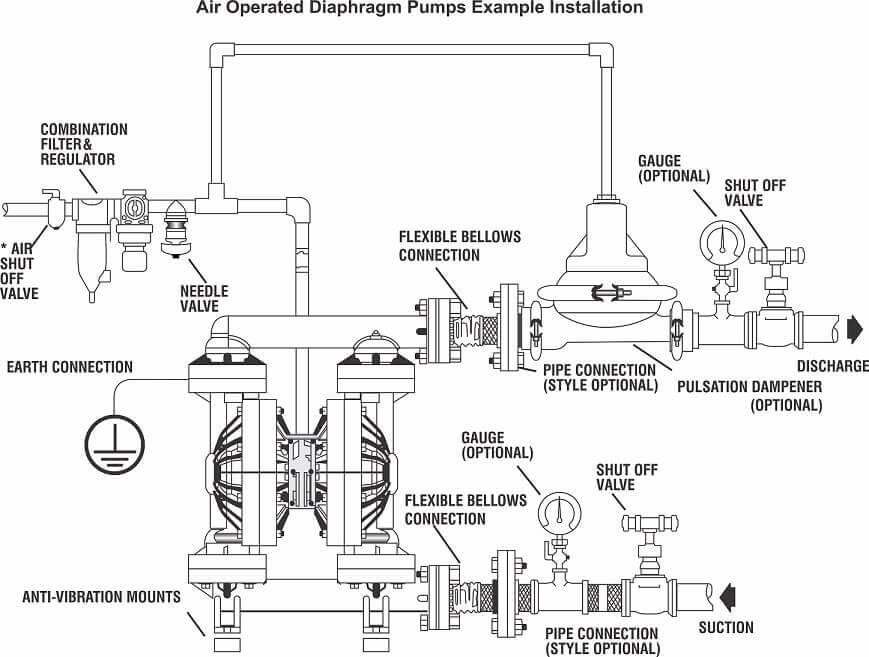
How Double Diaphragm Pumps Work
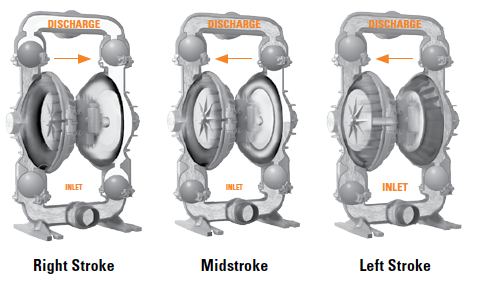
A double diaphragm pump uses two flexible diaphragms linked by a shaft. One diaphragm pushes while the other pulls, creating alternating suction and discharge. Compressed air or a hydraulic system drives the diaphragms. Understanding this motion helps when you do Double Diaphragm Pump Troubleshooting.
.jpg?width=780&name=Diagram_of_Optimized_AODD_Pump%20(1).jpg)
Common Problems and Root Causes
Most failures follow a pattern. Here are the common issues and their likely causes.
- Air supply problems: low pressure, clogged filters, poor regulation, or leaks.
- Valve and seat wear: stuck or worn check valves reduce flow and cause air lock.
- Diaphragm failure: cracking, delamination, or chemical attack cause leaks.
- Clogging and solids: buildup in inlet, outlet, or valve cavities reduces performance.
- Suction lift issues: cavitation, poor priming, or clogged suction lines.
- Incorrect maintenance or wrong parts: mismatched materials or improper torque.
- Pulsation and vibration: missing dampener or loose fittings.
These root causes guide focused Double Diaphragm Pump Troubleshooting. Fix the cause, not just the symptom.
-1.png?width=350&name=Tip2(2)-1.png)
Step-by-Step Troubleshooting Guide
Follow these ordered checks to find the fault fast.
-
Verify basics
- Confirm the pump has power, air, or hydraulic drive.
- Check air pressure at the regulator and main supply.
- Listen for unusual noise during startup.
-
Check the air system
- Inspect filters, dryers, and lubricators for clogs.
- Test for air leaks with soapy water on fittings.
- Ensure the regulator is set to the pump’s required PSI.
-
Inspect suction and discharge
- Look for blocked strainers or valves.
- Confirm inlet line has no collapsed hose or closed valve.
- Check foot valve and suction lift; re-prime if needed.
-
Test valves and diaphragms
- Remove valve plates and inspect seats for wear.
- Check diaphragms for tears, swelling, or material breakdown.
- Replace parts that show visible damage.
-
Performance test
- Measure flow and pressure against specs.
- Note air consumption and compare to normal values.
- Run with a bypass to see if flow recovers.
-
Reassembly and verification
- Use correct torque on bolts; follow OEM values.
- Start pump slowly and watch for leaks or odd pulses.
- Log findings and repairs for future reference.
Following these steps makes Double Diaphragm Pump Troubleshooting efficient and consistent.
Inspection and Diagnostic Tests
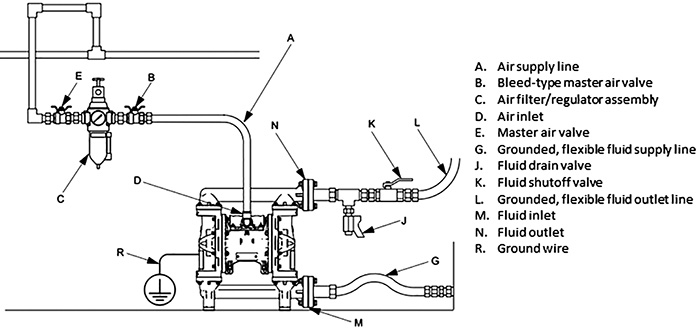
Use simple tests to diagnose common faults. Keep safety first; lock out air and release pressure before probing.
- Visual inspection: clean exterior and check for leaks, loose bolts, and worn hoses.
- Air consumption check: high air use often means internal leaks or worn diaphragms.
- Vacuum and pressure gauges: measure suction vacuum and discharge pressure to find restrictions.
- Flow meter test: compare measured flow to the pump’s curve at given PSI.
- Leak-down test: pressurize the chamber and time pressure loss to find seals failing.
- Sound and vibration: a rattling or knocking often maps to loose internal parts or broken diaphragm links.
These diagnostics help you choose the right repair steps during Double Diaphragm Pump Troubleshooting.
Repair, Parts, and Replacement Tips
Fixes often involve replacing wear parts and correcting setup issues. Use these best practices.
- Replace diaphragms in matched pairs to avoid imbalance.
- Always replace check valves when seats look pitted or cut.
- Use OEM or equivalent materials that match the pumped fluid.
- Clean valve cavities and manifolds before reassembly.
- Apply recommended torque in a crisscross pattern.
- Keep spare repair kits on site to cut downtime.
- Avoid over-torquing bolts; it can warp housings and cause leaks.
From my experience, replacing diaphragms without checking valve seats repeats failures. Always inspect both.
Preventive Maintenance Best Practices
Preventive care reduces the need for emergency Double Diaphragm Pump Troubleshooting. Set a simple plan.
- Create a maintenance log with dates, parts, and observations.
- Schedule filter and regulator checks monthly or by hours run.
- Replace diaphragms on a planned interval based on duty cycle.
- Train operators to spot early signs: noise changes, slower flow, or pulsation.
- Keep spare diaphragms, valves, and O-rings in stock.
- Use pulse dampeners for sensitive systems to reduce wear.
A short, regular checklist saves time and avoids lost production.
.jpg)
Troubleshooting Examples and Case Studies
Here are two short real-world examples that show common failure modes.
- Case 1: Low flow after restart. The air regulator had tripped low. Fix: reset regulator and replace clogged filter. Outcome: flow restored and operator logs added to prevent repeat.
- Case 2: Intermittent pulsing and noise. Diagnosis found a split diaphragm and a worn valve seat. Fix: replaced diaphragms and valve set, torqued properly. Outcome: quiet operation and stable flow.
These examples show how basic checks and good parts solve most issues in Double Diaphragm Pump Troubleshooting.
Frequently Asked Questions of Double Diaphragm Pump Troubleshooting
How do I know if my diaphragm is failing?
Look for leaks, loss of flow, sudden air consumption increase, and a change in sound. Visible cracks or swelling on inspection mean replacement.
Why is my pump losing prime?
Common causes include blocked suction, collapsed hose, or faulty foot valve. Clean the suction line and replace the valve if it doesn’t hold.
Can I run a diaphragm pump dry?
Short runs may be tolerated, but long dry runs can overheat and damage diaphragms and valves. Avoid dry running whenever possible.
How often should diaphragms be replaced?
Replace based on hours, duty cycle, and chemical attack risk; many plants use a planned interval. Inspect regularly and swap earlier if signs of wear appear.
What air pressure is best for my AODD pump?
Use the pressure recommended by the manufacturer for the target flow and lift. Adjust slowly while monitoring flow and air consumption to find the best setting.
What tools help with troubleshooting?
Basic tools include pressure gauges, flow meters, a leak detector (soapy water), simple hand tools, and a spare parts kit. Safety gear is essential.
My pump hums but delivers no fluid. What next?
Check air distribution and check valves first. Also inspect diaphragms for rupture and suction for blockages.
Conclusion
Double Diaphragm Pump Troubleshooting gets easier with a clear method, the right tools, and regular maintenance. Start with the basics: air, suction, valves, and diaphragms. Use simple tests, keep spares on hand, and document what you find. If you try these steps, you will reduce downtime and extend pump life. Share your experiences below, subscribe for more tips, or test a repair plan on a non-critical unit this week.

