

Most electric scooter problems start with battery, charger, or loose connections—check those first.
I have spent years fixing and testing electric scooters, and this guide brings that hands-on Electric Scooter Troubleshooting experience to you. You will learn clear, step-by-step checks, real-world fixes, and when to call a pro. Read on to quickly identify and resolve common faults so your scooter stays safe and reliable.

36% off Today’s Exclusive Deals
Limited-time Exclusive Deals. Check current discount on Amazon.
Check Price on Amazon As an Amazon Associate I earn from qualifying purchases.
Why electric scooters fail: common causes
Electric Scooter Troubleshooting begins with understanding what usually goes wrong. Most faults trace to a few parts: battery, charger, controller, wiring, motor, or mechanical wear. Knowing the likely causes narrows the checks you need to run.
Common causes to watch for:
- Battery age and state of charge
- Faulty charger or charging port
- Loose or corroded connectors
- Damaged motor or controller
- Brake or wheel problems that trip cutoffs
- Software or firmware errors
From my experience, riders often think a dead scooter is a motor issue. Nine times out of ten it is a battery or charger problem. That simple pattern guides efficient electric scooter troubleshooting.
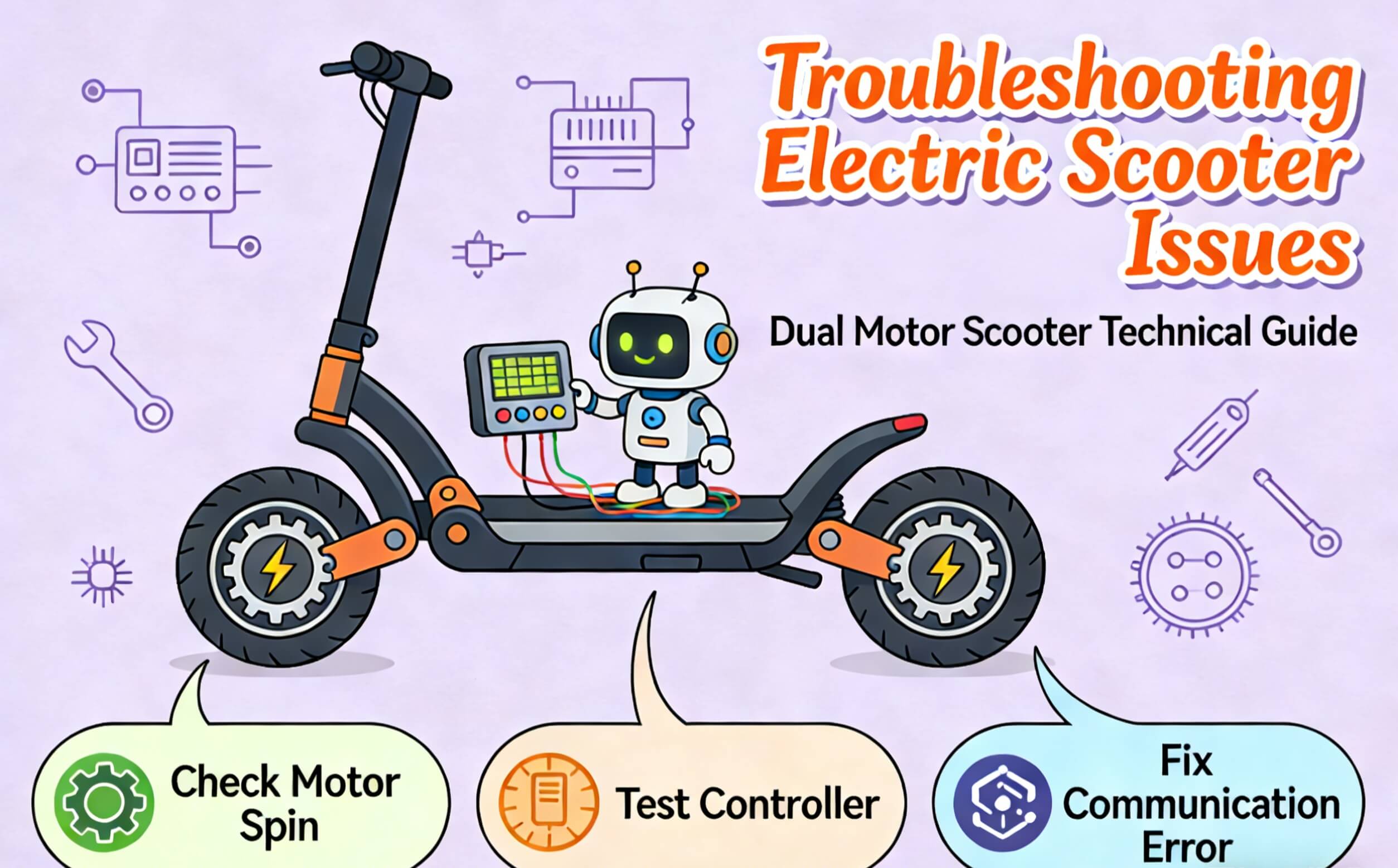
Step-by-step Electric Scooter Troubleshooting checklist
Follow this checklist in order. Each step is short and safe. Use gloves and eye protection when needed.
- Visual inspection
- Look for loose wires, burnt smells, or water damage.
- Check the charger and cable for frays or bent pins.
- Battery and charging test
- Plug in the charger and confirm the indicator light changes.
- Measure voltage with a multimeter across battery terminals.
- Power-on and error codes
- Turn the scooter on and note any error codes or lights.
- Check the display and app for fault messages.
- Throttle and brake checks
- Test throttle response while scooter is lifted.
- Ensure brakes are not dragging or activating safety cutoffs.
- Motor and wheel inspection
- Spin wheels by hand and feel for roughness or resistance.
- Listen for unusual noises when powering the motor briefly.
- Controller and wiring continuity
- Inspect connectors for corrosion.
- Use a multimeter to test continuity on key wires.
Work slowly. Document what you test. That helps if you later need professional repair. Electric Scooter Troubleshooting becomes fast when you follow a routine.
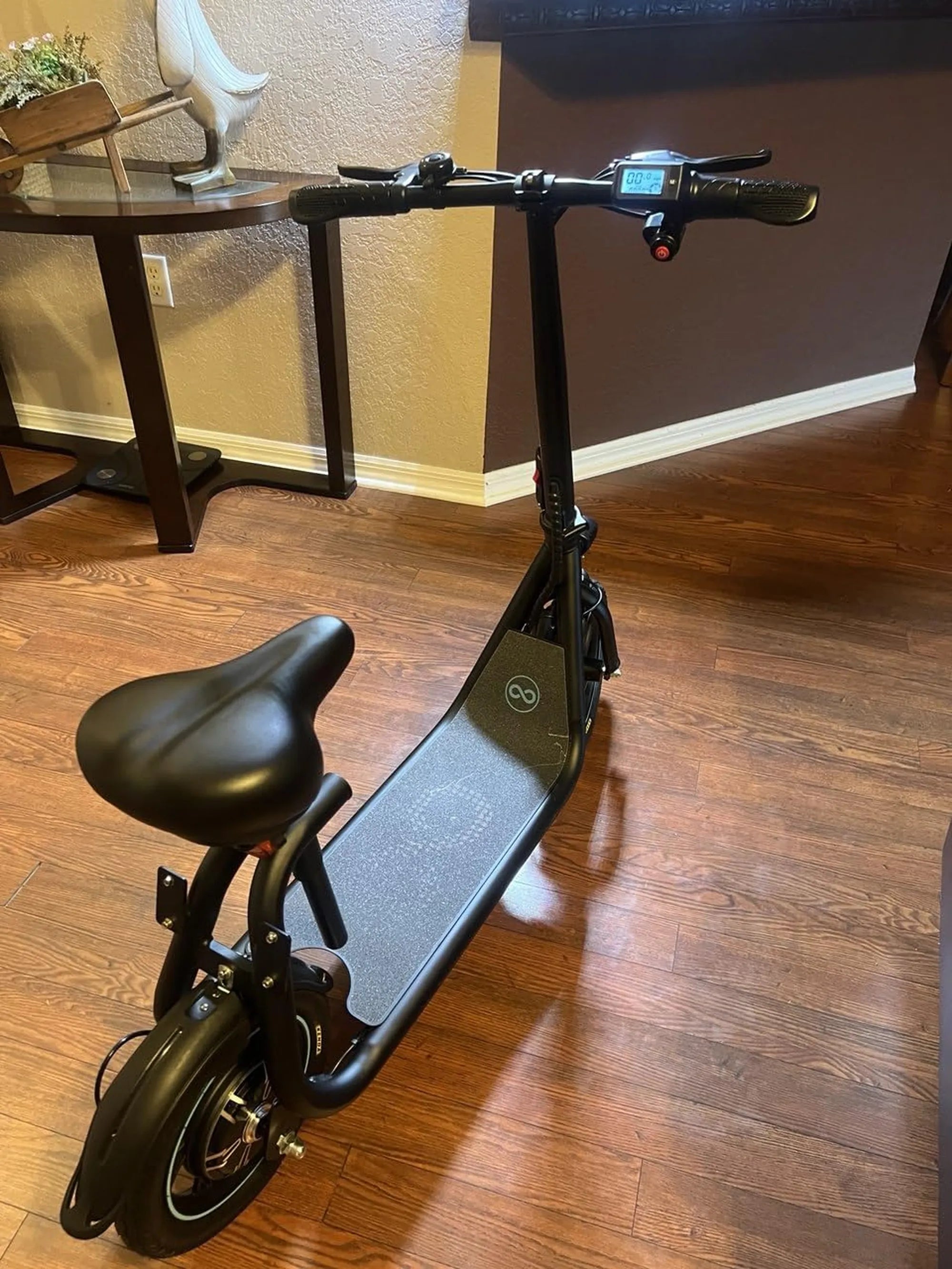
Diagnosing battery problems
Battery faults are the single biggest cause that brings people to Electric Scooter Troubleshooting. Batteries fail due to age, deep discharges, or physical damage.
How to check a battery:
- Look at the battery health indicator if available.
- Measure open circuit voltage with a multimeter.
- Load-test the battery by turning the scooter on and watching voltage drop.
- Inspect cells and pack for swelling or leaks.
Signs a battery needs replacing:
- Voltage under expected level even after a full charge
- Rapid loss of range
- Charger won’t reach full charge or indicator blinks abnormally
- Visible swelling or corrosion
My experience: a scooter with half its original range usually needs a new pack. Replacing a battery is often cheaper than ongoing repairs. Always use compatible packs and follow manufacturer specs.

Motor, controller, and drivetrain issues
When the motor or controller fails, symptoms vary. The scooter may be dead, limp, or make strange noises. Electric Scooter Troubleshooting here needs careful steps.
Common motor and controller checks:
- Test for power at the motor wires when throttle is applied.
- Check for burnt smell or signs of overheating on the controller.
- Inspect motor bearings by spinning the wheel free.
- Swap in a known-good throttle or controller if available.
Troubleshoot common symptoms:
- No movement but display on: likely controller or wiring fault.
- Motor hums but wheel won’t turn: check motor coupling or gearbox.
- Intermittent power: likely loose connector or failing solder joint.
I once fixed a scooter that cut out at 10–15 mph. The issue was a cracked solder joint on the controller board. Solder repairs work but need skill. If you’re not confident, have a technician inspect the controller.
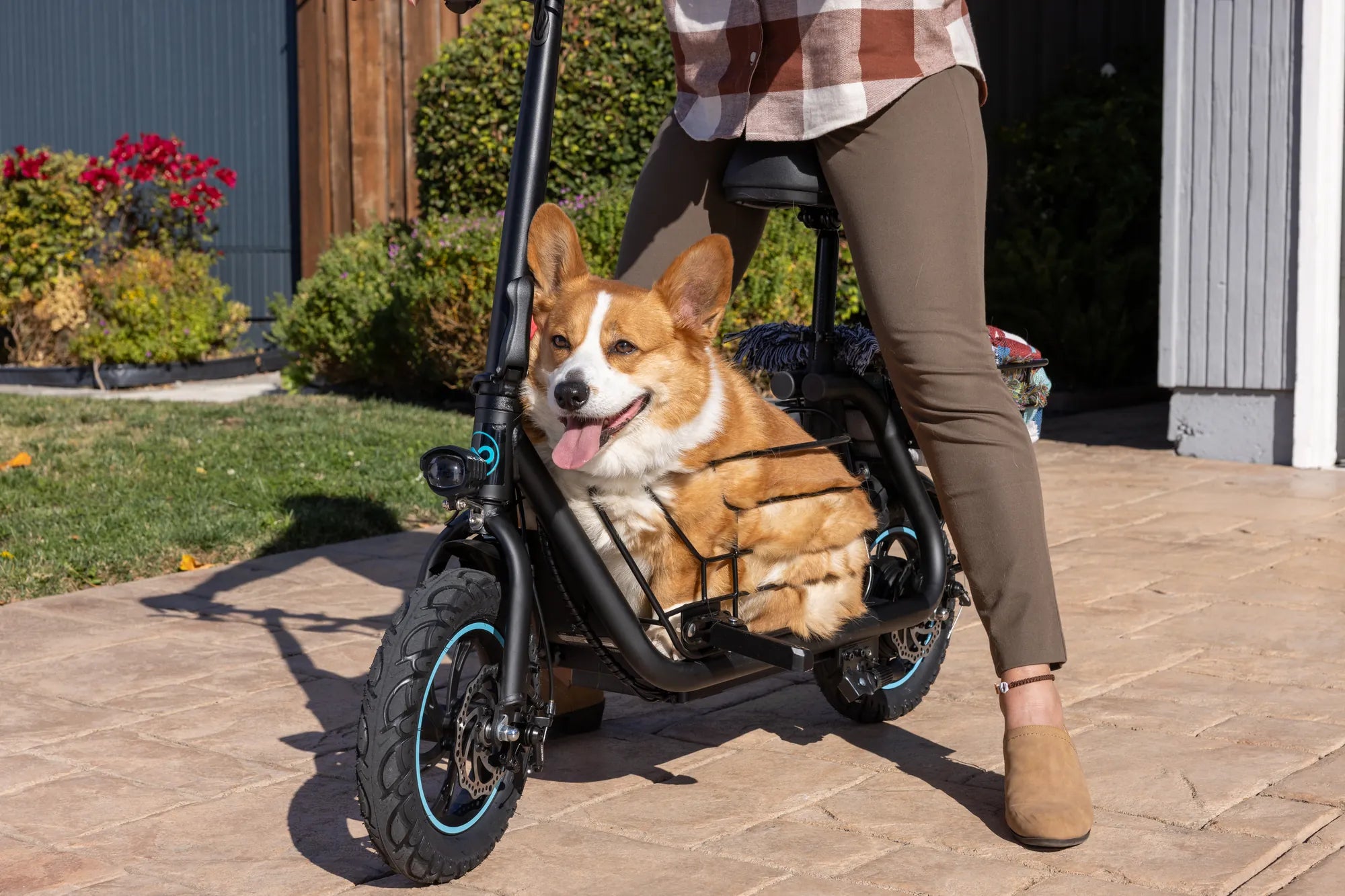
Electrical systems, wiring, and display errors
Wiring faults and poor connections are subtle but common. A single loose connector can disable an entire scooter. Electric Scooter Troubleshooting must include basic electrical checks.
Do this first:
- Unplug battery and open panels carefully.
- Look for corroded connectors, pinched wires, and water ingress.
- Wiggle connectors gently while powering on to locate intermittent faults.
Display errors and app faults:
- Reset the display and reconnect via app.
- Update firmware if an official update is available.
- Note error codes and consult the manual for code meaning.
Safety tip: avoid DIY mains repairs. If the fault involves the charger’s internal wiring or mains components, seek a qualified electrician or repair shop.

Brakes, tires, and frame checks
Mechanical issues often masquerade as electrical faults. A dragging brake can cut motor power. Worn tires or loose bearings change ride behavior.
What to check:
- Tire wear and proper inflation.
- Brake pad alignment and cable tension.
- Wheel bearings for play or noise.
- Frame and folding latch integrity.
My tip: a quick test ride at low speed gives clues. If acceleration is weak and brakes feel hot afterward, the brake system likely needs adjustment. Regular mechanical checks simplify Electric Scooter Troubleshooting.
Preventive maintenance and care tips
Preventive care reduces the time you spend on Electric Scooter Troubleshooting. Small habits extend component life and prevent surprises.
Maintenance routine:
- Charge properly and avoid full deep discharge.
- Store scooter indoors or dry space.
- Clean and lubricate folding mechanisms and bearings.
- Check and tighten fasteners monthly.
- Update firmware and app when safe and recommended.
I learned this the hard way after a rainy commute ruined a controller. Now I use a waterproof cover and dry the scooter after rides. Prevention saves money and stress.
Tools, parts, and when to seek professional help
Having a basic toolkit speeds Electric Scooter Troubleshooting. Some fixes are DIY-friendly. Others need pro attention.
Essential tools:
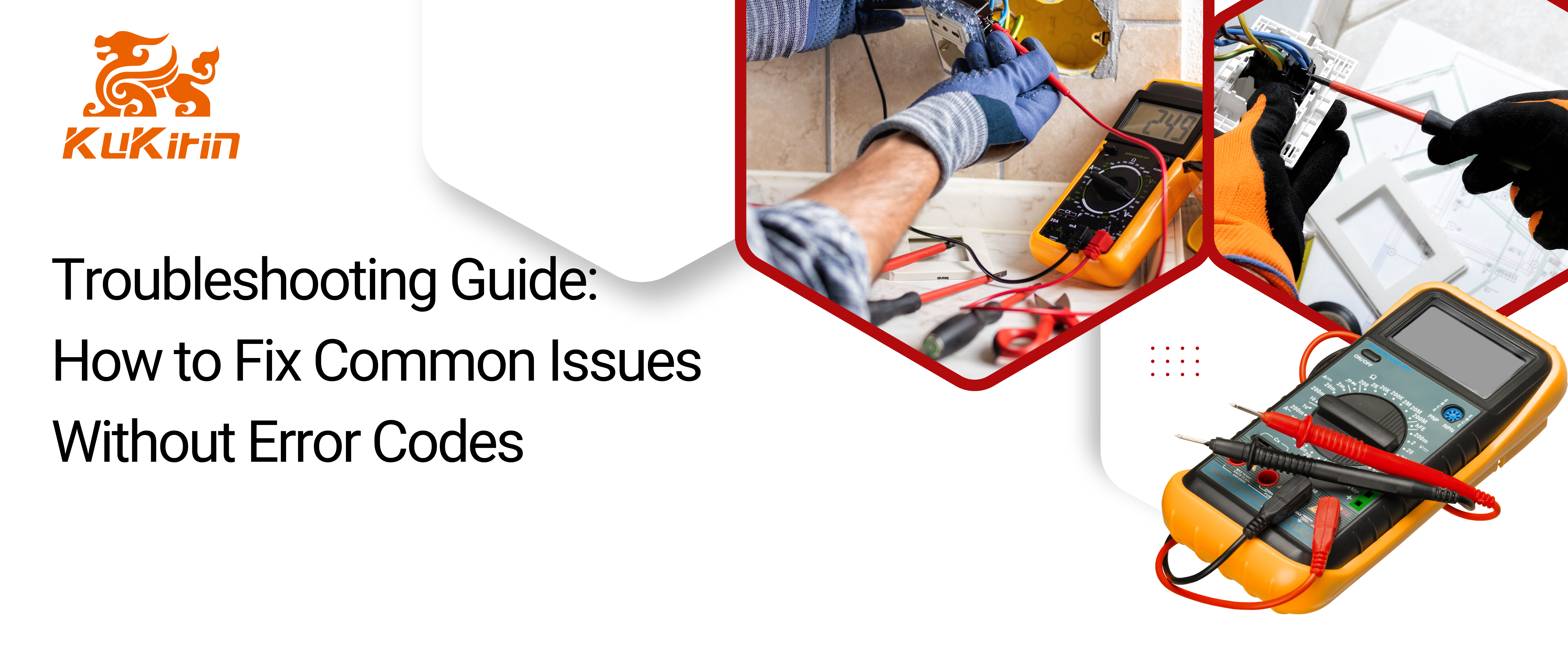
- Multimeter for voltage and continuity checks.
- Hex and Torx keys for panel and wheel removal.
- Small screwdriver set and wire brush.
- Isopropyl alcohol and contact cleaner.
When to call a pro:
- Battery pack replacement or cell-level repairs
- Controller board soldering or component swaps
- Charger mains wiring faults
- Structural frame damage
If a problem involves high-voltage packs or sealed battery packs, stop and consult a certified technician. Professional help prevents injury and further damage.
People also ask
Why won’t my electric scooter turn on even though the battery is charged?
A scooter may not turn on due to loose battery connectors, blown fuses, or a faulty power switch. Check connections, fuses, and the display for error codes before assuming major component failure.
How do I know if my scooter controller is bad?
Signs of a bad controller include no power to the motor, inconsistent acceleration, or burnt smells. Test for output voltage at the controller’s motor wires and inspect for visible damage.
Can water damage cause electric scooter failure?
Yes. Water can corrode connectors and short electronic components, leading to startup failures or intermittent faults. Dry the scooter and inspect internal connectors if it got wet.
Frequently Asked Questions of Electric Scooter Troubleshooting
What should I check first if my scooter stops working?
Start with the battery and charger. Verify the charger lights, measure battery voltage, and inspect connectors. These steps catch most common failures.
How often should I service my electric scooter?
Service basic checks every month and a deeper inspection every 6 months or 1,000 miles, whichever comes first. Regular service prevents many common issues.
Is it safe to replace the battery myself?
Replacing a battery is safe if you follow manufacturer instructions and match specifications. If the pack is sealed or high-voltage, seek professional replacement.
Why does my scooter lose power uphill?
Loss of power uphill can come from battery voltage sag, thermal cutoffs in the controller, or a worn motor. Check battery state and motor temperature after the ride.
My scooter vibrates and makes noise at speed. What causes that?
Vibration often stems from wheel imbalance, worn bearings, or loose hardware. Inspect wheels, tighten fasteners, and replace damaged bearings as needed.
Conclusion
Electric Scooter Troubleshooting becomes manageable when you use a methodical approach: visually inspect, test the battery, check connectors, and isolate electrical from mechanical issues. Small tools and regular maintenance prevent most breakdowns and keep you safe on the road. Take one routine check per month and fix small problems early to avoid big repairs.
Get hands-on with the checklist above, bookmark this guide, and leave a comment with your scooter model and symptom if you want tailored advice.

