

Most LiftMaster issues are simple: check power, sensors, remotes, and safety settings first.
I have spent years fixing garage openers and testing LiftMaster units. This guide on Garage Door Liftmaster Troubleshooting walks you through clear checks, step-by-step fixes, and smart tips you can use today. Read on to learn how to find the root cause fast, save time, and avoid common mistakes.

36% off Today’s Exclusive Deals
Limited-time Exclusive Deals. Check current discount on Amazon.
Check Price on Amazon As an Amazon Associate I earn from qualifying purchases.
Why LiftMaster Garage Doors Fail: quick overview and causes
Garage Door Liftmaster Troubleshooting begins with knowing the usual causes. Many failures come from power problems, misaligned sensors, worn springs, or broken remotes. Electronics and mechanical parts both matter.
Common root causes
- Power loss or a tripped breaker
- Blocked or misaligned safety sensors
- Worn rollers, tracks, or springs
- Remote or keypad programming issues
- Motor or circuit board faults
Why this matters
- You can fix most issues with simple checks.
- Early maintenance prevents big repairs.
- Knowing the signs saves money and time.
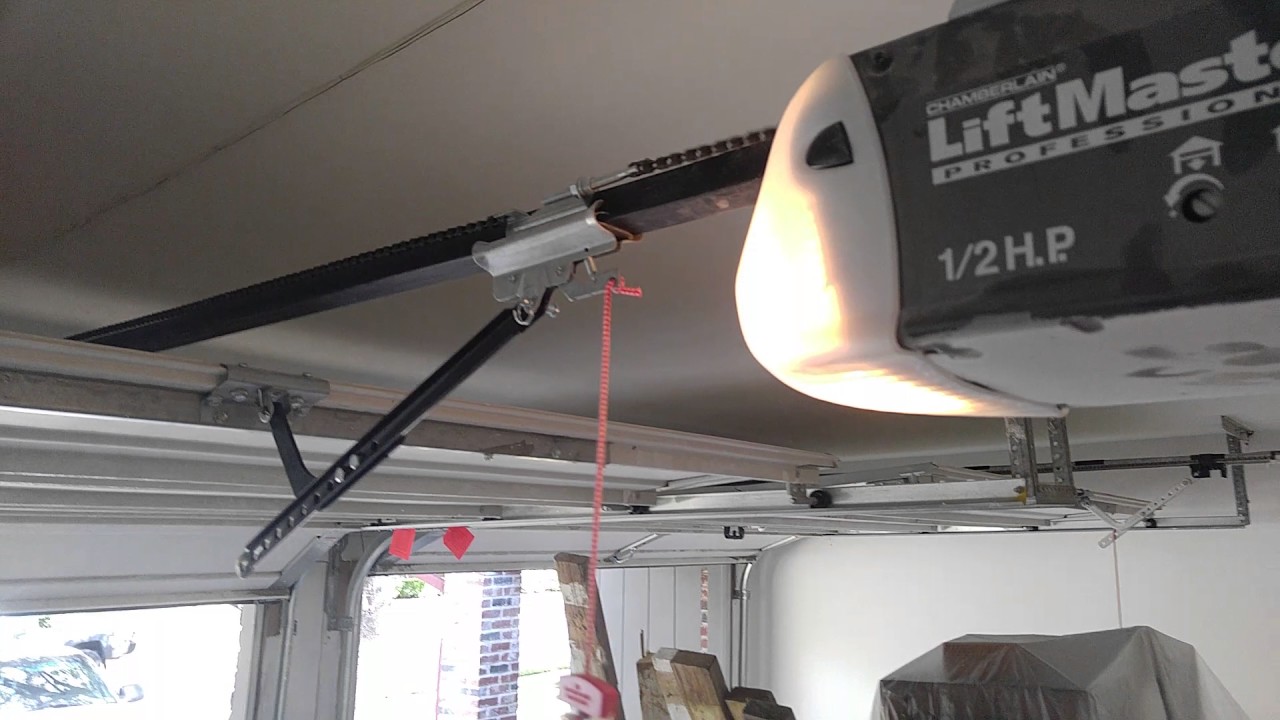
Common symptoms and what they mean
When you start Garage Door Liftmaster Troubleshooting, watch for clear signs. Each symptom points to likely fixes.
Typical symptoms and likely causes
- Door won’t move but opener light works
- Check remote batteries, wall switch, and force settings.
- Opener light blinks or shows error codes
- Sensor fault or obstructions often cause blinking.
- Door reverses after touching floor
- Force or limit settings need tuning; sensors may be dirty.
- Loud bang or snapped spring
- Torsion or extension spring failed. Do not touch — call pro.
- Remote works only at close range
- Weak battery or radio interference; reprogram or replace battery.
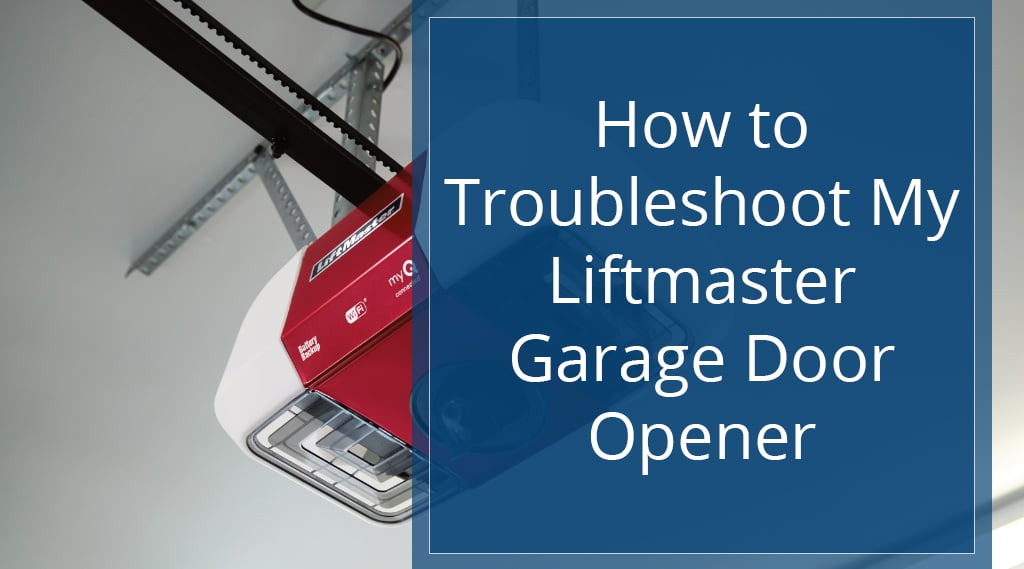
Basic safety and tools checklist
Safety first. Garage door springs and cables hold lots of energy. If you are unsure, call a pro.
Safety rules
- Disconnect power before hands-on work.
- Never release springs without tools and training.
- Keep kids and pets away while testing.
Essential tools
- Ladder with padding
- Multimeter to check power and switch
- Screwdrivers, pliers, and adjustable wrench
- Flashlight and small mirror
- Clean cloth and isopropyl alcohol for sensors
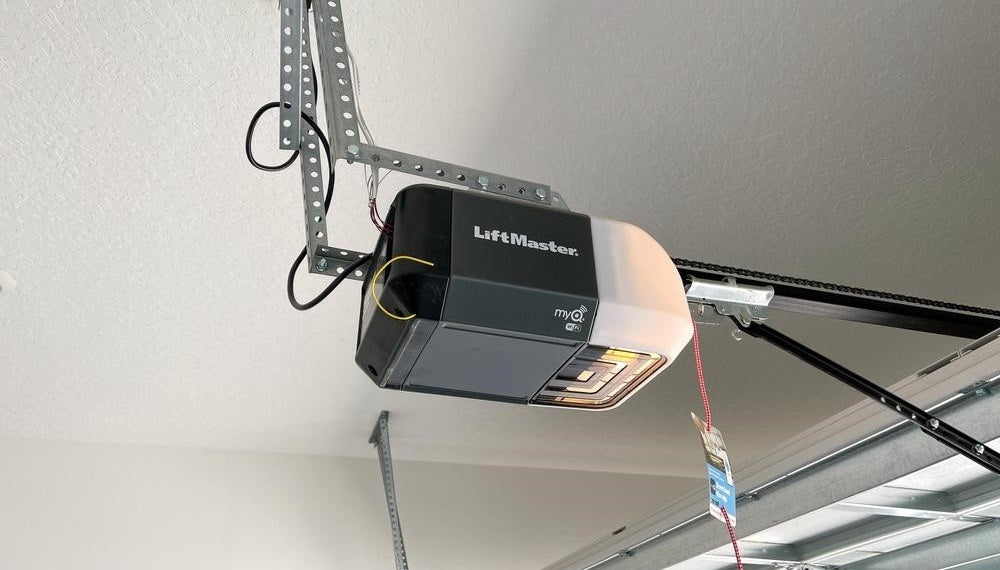
Step-by-step Garage Door Liftmaster Troubleshooting Guide
Start simple. Work from the opener to the door hardware. Each step helps you narrow the problem.
- Check power and basics
- Confirm outlet has power. Reset the breaker.
- Unplug and plug the opener to reset the electronics.
- Inspect the wall control and remote
- Replace remote battery. Test wall button.
- If wall button works but remotes do not, reprogram remotes.
- Test safety sensors
- Clean lenses with a soft cloth and alcohol.
- Ensure sensors face each other and LEDs are steady.
- If one LED is off or blinking, align sensors and clear obstructions.
- Check door balance and springs
- Disconnect opener by pulling the release cord. Manually move door halfway.
- If door falls or rises on its own, springs need service.
- Listen for motor and gear noises
- Grinding or whining suggests gear or motor wear.
- Plastic gear housings can degrade. Replace gear kit if noisy.
- Inspect tracks and rollers
- Look for dents, bends, or loose brackets.
- Lubricate rollers and hinges with silicone or white lithium spray.
- Adjust travel and force settings
- Use the opener’s travel and force dials or push buttons.
- Make small changes and test repeatedly until door closes smoothly.
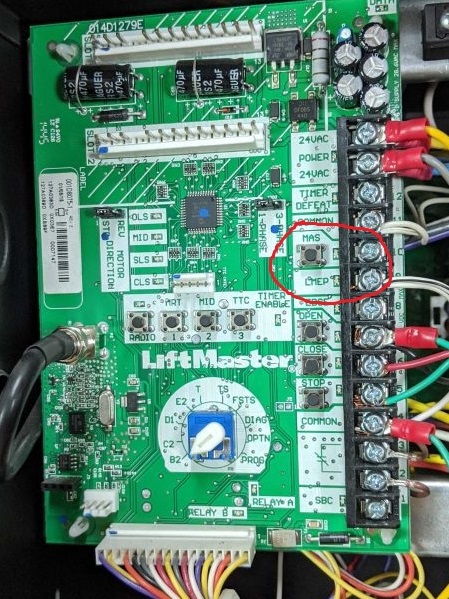
- Check opener logic and LED codes
- Many LiftMaster units blink LEDs to show status. Count blinks and consult the manual.
- If the circuit board fails, replacement may be required.
Real-world tip from my experience
- I once fixed a door that wouldn’t close by cleaning a spider web on the photo eye. Small things matter.
Power & opener lights
Check outlet and the opener light. A dead light with no movement suggests power loss. If light blinks, note the blink pattern.
Remote and keypad problems
Replace batteries first. Reprogram with the Learn button on the motor head. Keep remotes away from metal and strong radios.
Safety sensors (photo eyes)
Sensors must face each other. Wipe lenses clean. Tighten mounts. Test by placing an object in the beam; the door should not close.
Track, rollers, and hardware
Bent track or jammed rollers block smooth motion. Tighten loose bolts. Replace worn rollers for quieter, smoother action.
Springs and cables
Never adjust springs yourself unless trained. Springs store dangerous energy. If spring or cable breaks, call a licensed technician.
Motor noises and gear replacement
Grating or grinding often means worn gears. LiftMaster uses replaceable gear kits on many models. Replace the kit rather than the entire unit when possible.

Preventive maintenance for LiftMaster openers
A small habit keeps the opener working well. Do these tasks twice a year.
Maintenance checklist
- Clean photo eyes and test alignment.
- Lubricate rollers, hinges, and springs with recommended products.
- Check door balance by disconnecting the opener and moving the door.
- Inspect cables for frays and tracks for dents.
- Test auto-reverse and safety features monthly.
Benefits of maintenance
- Longer opener life
- Smoother operation and quieter door
- Fewer emergency repairs

Parts, replacement, and cost guidance
Knowing parts helps when you shop or call a tech. Costs vary by model and labor.
Common parts and rough costs
- Remote control: low cost, DIY replacement.
- Photo eye sensors: inexpensive and quick to swap.
- Gear kit: moderate cost; good DIY for some models.
- Motor or circuit board: higher cost, often pro service.
- Springs and cables: moderate parts, but high-risk install—hire pro.
Cost tips
- Replace worn plastic gears early to avoid motor damage.
- Ask for a quote that separates parts and labor.
- Use OEM LiftMaster parts for best fit and safety.

When to call a professional
Call a pro when you see high risk or complex failure. Safety springs and wiring are common reasons to hire help.
Call a pro if
- A spring or cable is broken.
- The door is off track or has major bends.
- You suspect electrical faults or burnt circuit boards.
- Repeated failures happen after DIY fixes.
What to expect
- A tech will inspect, give a clear estimate, and explain safety steps.
- Licensed pros carry insurance and the right tools for spring work.
Frequently Asked Questions of Garage Door Liftmaster Troubleshooting
How do I reset my LiftMaster opener?
Unplug the opener for 30 seconds, plug it back in, and press the wall button. If needed, use the Learn button to reprogram remotes.
Why does my LiftMaster door reverse after closing?
This usually means a safety sensor issue or incorrect force/limit settings. Clean sensors and adjust the force slightly until it stops.
How often should I lubricate my opener and door?
Lubricate rollers, hinges, and torsion springs twice a year. Use silicone or white lithium spray for best results.
Can I replace a broken spring myself?
No. Springs hold dangerous energy. Hire a trained technician to replace springs and cables safely.
What does a blinking light on my LiftMaster mean?
Blinking usually signals a sensor or wiring problem. Count the blinks and check sensors, wiring, and the manual for error codes.
Why won’t my remote open the door but the wall switch does?
This means the opener and door are fine; the remote needs a battery, reprogramming, or replacement.
Conclusion
Garage Door Liftmaster Troubleshooting is about simple checks, steady steps, and smart safety. Start with power, sensors, and remotes. Move to springs, tracks, and electronics only if you are trained or willing to call a pro. Use routine maintenance to avoid most problems. Try the easy fixes first, and when in doubt, get a licensed technician.
Take action today: run a quick safety check, clean the sensors, and test the auto-reverse. If you found this helpful, leave a comment or subscribe for more practical tips on LiftMaster care.

