

Honda Fit troubleshooting fixes common faults quickly with simple checks and clear steps.
I’ve worked on Hondas for over a decade, and I know the Honda Fit inside and out. This guide on Honda Fit troubleshooting distills hands-on experience, clear diagnostics, and practical fixes so you can find and solve issues fast. Read on to learn symptoms, causes, step-by-step checks, tools to use, and real tips that save time and money.

36% off Today’s Exclusive Deals
Limited-time Exclusive Deals. Check current discount on Amazon.
Check Price on Amazon As an Amazon Associate I earn from qualifying purchases.
Common Honda Fit problems and symptoms
Honda Fit troubleshooting starts by recognizing what is wrong. Most owners report these common issues.
- Engine hesitates or stalls. This often shows as rough idle, jerking, or poor acceleration.
- Check Engine Light (CEL) comes on. The CEL can mean many things from a loose cap to a failed sensor.
- Electrical quirks. Problems include dead battery, dim lights, or faulty windows and locks.
- CVT or transmission shudder. Some Fits have CVT-related vibration or slip at low speeds.
- Fuel and evaporation system faults. Fuel odor or failed emissions test can point to leaks or EVAP issues.
Why this matters: knowing the symptom narrows the likely causes fast. When you begin Honda Fit troubleshooting, start with the symptom you can see or feel.

Basic diagnostic steps: A simple workflow
A reliable workflow makes Honda Fit troubleshooting efficient. Follow this order every time.
- Visual check. Look for leaks, loose hoses, frayed wires, and low fluid levels.
- Read codes. Plug in an OBD2 scanner and record any fault codes.
- Recreate the symptom. Drive or idle to reproduce the issue safely.
- Test basics. Check battery voltage, fuel pressure, and spark.
- Replace or repair the most likely, low-cost item first.
- Re-scan and verify repair. Clear codes and confirm the symptom is gone.
Use this flow to avoid wasting parts or time. I’ve fixed many Fits by following step 1–3 before replacing anything expensive.

Engine and drivability troubleshooting
Focus here if your Fit has rough idle, stalling, misfire, or low power.
Common causes
- Faulty spark plugs or ignition coils.
- Dirty or failing fuel injectors.
- Vacuum leaks in hoses or intake gaskets.
- Dirty mass air flow sensor (MAF) or throttle body.
- Low fuel pressure from a weak pump or clogged filter.
Checks and fixes
- Inspect spark plugs and coils. Swap a known good coil if misfire codes point to one cylinder.
- Clean throttle body and MAF carefully. Use the correct cleaner.
- Listen for hissing to find vacuum leaks. Replace brittle hoses.
- Test fuel pressure with a gauge. Replace fuel filter or pump if low.
- Use an OBD2 scan to spot misfire codes (P0300–P0304) and related sensor codes.
Personal tip: I once solved a persistent stumble by replacing a cracked intake hose. It cost under $30 and cured the issue instantly.

Electrical system and battery issues
Electrical problems are common and often simple to fix.
Symptoms
- Car won’t start or cranks slowly.
- Interior lights dim at idle.
- Random resets of infotainment or power windows.
Common causes
- Weak or old battery.
- Corroded battery terminals.
- Faulty alternator or regulator.
- Bad ground connections.
Troubleshooting steps
- Check battery voltage. 12.6V is healthy at rest; below 12.3V needs attention.
- Inspect and clean battery terminals. Tighten clamps.
- Test charging with engine running. Voltage should be 13.8–14.6V.
- Check for parasitic draw if battery drains overnight.
Experience note: A fresh battery and clean terminals fixed several mysterious electrical gremlins for me. Don’t skip simple terminal cleaning.

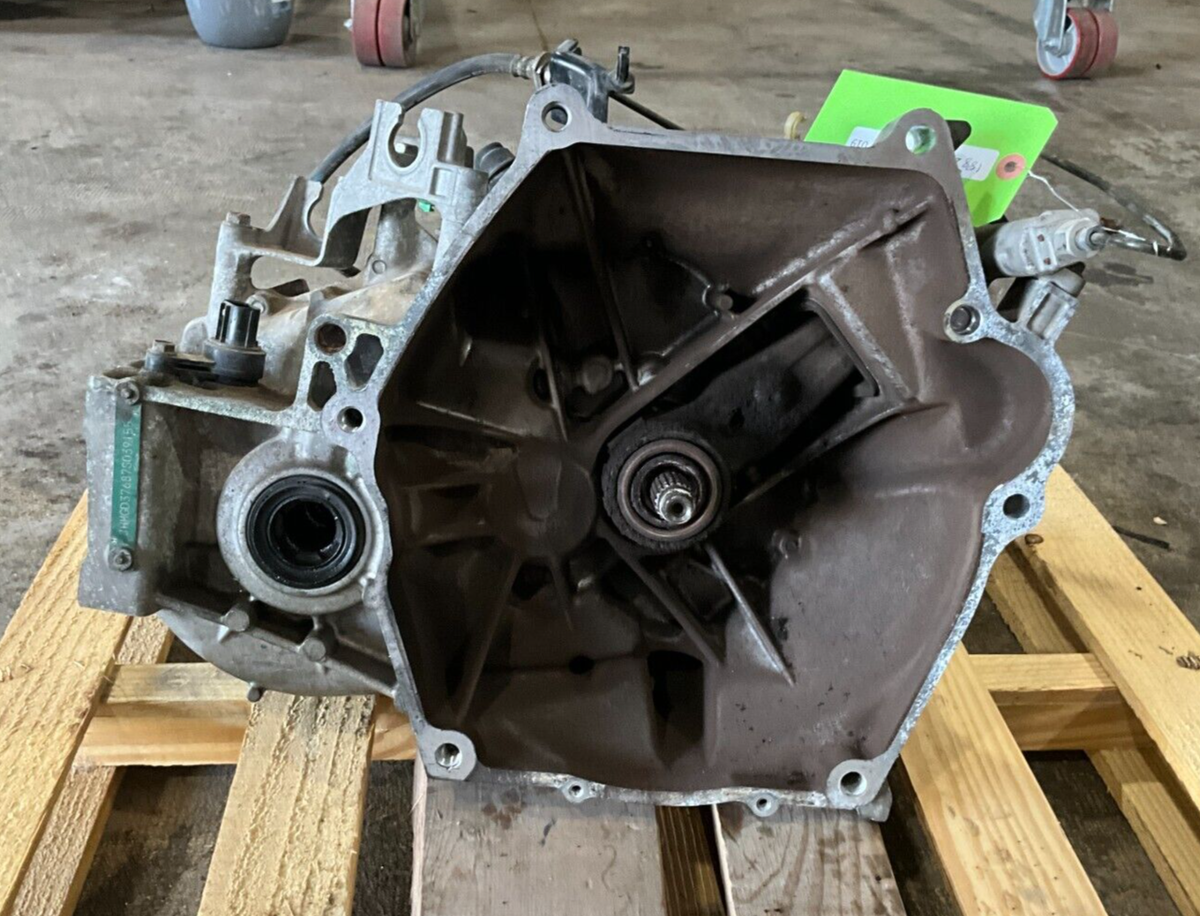
Transmission and CVT issues
Some Honda Fit models use a CVT. Issues here need careful diagnosis.
Symptoms
- Shudder or vibration at low speeds.
- Delayed engagement or slipping feel.
- Unusual noise while accelerating.
Causes and checks
- Low or dirty transmission fluid.
- Faulty CVT belt or pulleys (older units).
- Transmission control module or sensor fault.
- Overheating or sustained heavy loads.
Troubleshooting tips
- Check fluid level and color. Dark or burnt smell means service.
- Use manufacturer fluid type only. CVTs need specific fluid.
- Scan for transmission-related codes and follow code-specific tests.
- For persistent shudder, consult a trained CVT tech. Rebuilding or replacing a CVT can be costly.
Practical note: I recommend trying a fluid change first on older units. It can restore smoothness in many cases but is not a cure-all.
Fuel system and EVAP troubleshooting
Fuel and EVAP issues affect emissions and drivability.
Symptoms
- Gas smell near car.
- Failed emissions test.
- Check Engine Light with EVAP codes.
Common causes
- Loose or damaged gas cap.
- Cracked EVAP hoses or canister.
- Faulty purge valve or vent solenoid.
- Weak fuel pump or clogged filter.
What to check
- Tighten or replace the gas cap first.
- Inspect visible EVAP lines and the charcoal canister.
- Test purge valve operation with a hand vacuum or scan tool.
- Check fuel pressure and listen for fuel pump noise at key-on.
Real-world tip: A loose gas cap caused multiple visits for one owner. Tightening it fixed the CEL and passed emissions. Start with the simple fixes.
Brakes, suspension, and steering troubleshooting
Safety systems must be checked methodically and promptly.
Symptoms
- Squealing or grinding brakes.
- Pulling to one side when braking.
- Strange steering play or clunking over bumps.
Common causes
- Worn brake pads or rotors.
- Seized calipers or uneven pad wear.
- Low brake fluid or air in system.
- Worn tie rods, ball joints, or strut mounts.
Checks and fixes
- Inspect pad thickness and rotor condition.
- Replace pads and resurface or replace rotors if needed.
- Bleed brakes if pedal feels spongy.
- Inspect suspension parts for play and replace worn bushings.
Safety note: If you hear grinding or feel a hard pedal, stop driving and address brakes immediately. I’ve replaced pads and rotors multiple times and found many owners ignore brake noise until it worsens.

Tools, parts, and costs to expect
Having the right tools speeds Honda Fit troubleshooting.
Essential tools
- OBD2 scanner (basic models are inexpensive).
- Multimeter for electrical checks.
- Fuel pressure gauge.
- Basic hand tools: sockets, wrenches, screwdrivers, pliers.
- Vacuum pump for EVAP and brake bleeding.
Typical costs (ballpark)
- Spark plugs: $20–$60 parts.
- Battery: $80–$180 depending on brand.
- Brake pads: $50–$150 parts.
- CVT service: $150–$500 for fluid change; larger repairs cost more.
- Fuel pump: $200–$600 installed.
Money-saving tip: Use the diagnostic workflow before buying parts. A single OBD2 scan often avoids a wrong part purchase.

Preventive maintenance to avoid troubleshooting
Good upkeep reduces nearly all common failures.
Key items to maintain
- Change oil and filter on schedule.
- Replace air filter and fuel filter as needed.
- Inspect belts, hoses, and fluids regularly.
- Service CVT fluid per Honda schedule.
- Keep battery terminals clean.
Routine checks save money and hassle. I once helped a friend avoid an alternator failure by catching a worn belt early during a routine check.
Practical troubleshooting checklist (quick reference)
Use this checklist when you begin Honda Fit troubleshooting.
- Note the symptom and when it happens.
- Do a visual walk-around for leaks and damage.
- Scan OBD2 codes and record them.
- Check battery voltage and terminal condition.
- Inspect spark plugs and ignition components.
- Verify fuel pressure and filters.
- Inspect EVAP hoses and gas cap.
- Check fluids: oil, coolant, brake, transmission.
- Test drive to recreate the issue if safe.
- Replace the least expensive likely part first and retest.
This list has helped me fix many issues on the first try. Keep it printed or saved on your phone.
PAA-style questions to anticipate
What should I check first when my Honda Fit won’t start?
- Check the battery voltage and terminals first. Then scan for codes and test starter and fuel delivery.
Why is my Honda Fit’s check engine light on?
- The CEL records trouble codes. Use an OBD2 scanner to read codes and follow targeted tests for the flagged system.
Can a dirty MAF or throttle body cause stalling?
- Yes. Dirty air sensors or throttle parts often cause rough idle and stalling. Cleaning can fix the issue in many cases.
How often should I change CVT fluid on a Fit?
- Follow Honda’s schedule, typically every 30,000–60,000 miles for many models, but check your owner’s manual for exact intervals.
Is a trembling or shudder during acceleration serious?
- It can be. It may indicate CVT issues, worn engine mounts, or driveline problems. Diagnose soon to avoid larger repairs.
Frequently Asked Questions of Honda Fit Troubleshooting
What does a flashing Check Engine Light mean?
A flashing light usually means a severe misfire. Stop driving and scan for codes to prevent catalytic converter damage.
How do I reset the Check Engine Light on a Honda Fit?
Clear codes with an OBD2 scanner after fixing the root cause. Disconnecting the battery can clear codes but won’t fix the issue.
Why does my Honda Fit idle rough when cold?
Cold idle roughness often comes from dirty fuel injectors, old spark plugs, or a failing sensor that adjusts the air-fuel mix.
How can I tell if my alternator is bad?
Look for dimming lights, a weak battery charge, and a multimeter reading below 13.5V with the engine running.
Is a CVT shudder covered under warranty?
Coverage depends on the vehicle’s warranty or extended coverage. Check service records and your warranty status for guidance.
Conclusion
Honda Fit troubleshooting works best when you follow a clear process: observe, scan, test, and repair. Use simple checks first, keep a basic tool kit, and rely on OBD2 data to guide repairs. Small fixes often prevent big bills, and routine maintenance keeps your Fit reliable and fun to drive. Put these steps into action, start with the symptom, and tackle problems with confidence. If you found this guide useful, subscribe, leave a comment, or share your Honda Fit troubleshooting story below.

