

Kitchen faucet troubleshooting solves leaks, low pressure, and drips quickly with simple steps.
I have spent years repairing and installing sinks, and I write this guide to help you diagnose and fix common kitchen faucet problems fast. This article dives into practical Kitchen Faucet Troubleshooting—clear causes, step-by-step fixes, tools you need, and when to call a pro. Read on to gain confidence, save money, and get your faucet working like new.

36% off Today’s Exclusive Deals
Limited-time Exclusive Deals. Check current discount on Amazon.
Check Price on Amazon As an Amazon Associate I earn from qualifying purchases.
Why Kitchen Faucet Troubleshooting Matters
Kitchen Faucet Troubleshooting helps you stop waste, avoid water damage, and keep your sink working well. Small leaks can raise bills and harm cabinets. Knowing basic troubleshooting saves time and money and prevents big repairs later.
What you will gain from this guide:
- Clear signs to look for
- Simple tests to find the cause
- Fixes you can do at home
- Advice on when to replace parts or call a pro

Common Symptoms and What They Mean
Recognizing symptoms is the first step in Kitchen Faucet Troubleshooting. Below are common signs and the likely causes.
Dripping from the spout
- Likely worn cartridge, valve seat, or O-rings
- Mineral build-up can prevent a tight seal
Water pooling at the base
- Loose mounting nut or worn gasket
- Supply line leak or corrosion under the sink
Low water pressure
- Clogged aerator or supply line
- Partially closed valve or failing cartridge
Noisy faucet (whistling, knocking)
- High water pressure or loose parts
- Worn washer or debris in valve
Temperature issues
- Failing mixing valve or cartridge
- Scalding from hot-only flow suggests a thermostat/mixing problem

Tools, Parts, and Safety for Kitchen Faucet Troubleshooting
Good Kitchen Faucet Troubleshooting starts with the right tools and safety steps. Use simple tools to do most fixes.
Essential tools and parts
- Adjustable wrench and basin wrench
- Screwdrivers set and pliers
- Replacement O-rings, washers, cartridges, and aerator
- Plumber’s grease and Teflon tape
- Bucket, rag, and flashlight
Safety and prep
- Turn off water supply valves under the sink before starting
- Open the faucet to drain lines after shutting valves
- Use a towel in the basin to catch small parts and protect the sink
- If soldering or using adhesives, ensure good ventilation and follow product instructions
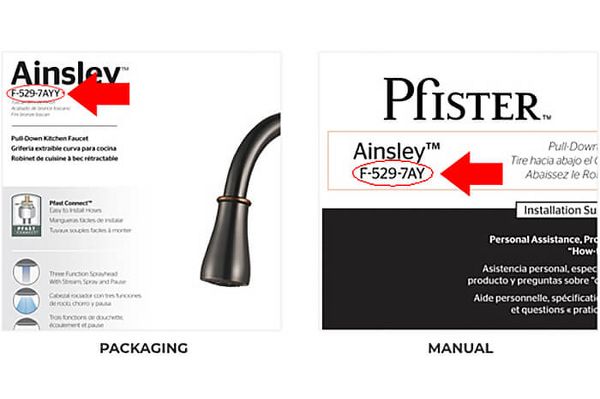
Step-by-Step Kitchen Faucet Troubleshooting: A Simple Workflow
Follow a clear workflow to diagnose and fix most issues. I use this routine every time I repair a faucet.
- Inspect visually
- Look for obvious leaks, corrosion, or loose handles.
- Check water supply
- Confirm both cold and hot supply valves are fully open.
- Test the aerator
- Unscrew the aerator and run the faucet. If flow improves, clean or replace the aerator.
- Isolate the leak
- Dry the faucet and watch where water appears. Base, spout, handle, or supply line.
- Remove handle and check internals
- Remove decorative caps, screws, and handle. Inspect cartridge, O-rings, and seals.
- Replace worn parts
- Swap worn O-rings, seals, or the entire cartridge as needed.
- Reassemble and test
- Tighten parts snugly, turn supplies back on, and test for leaks and pressure.
This workflow has helped me fix flow and leaks in under an hour in many kitchens. If a fix doesn’t work, stop and reassess to avoid making things worse.

Fixing Specific Problems
Targeted fixes make Kitchen Faucet Troubleshooting fast. Below are practical solutions by symptom.
Dripping spout
- Replace cartridge or valve seat. If the model uses ceramic discs, replace the cartridge assembly.
- Clean mineral deposits from the seat and cartridge area with vinegar if needed.
Leak at the handle
- Replace O-rings and seals. Apply plumber’s grease to new O-rings for smooth operation.
- Tighten set screws, but avoid over-tightening which can crack handles.
Leak at the base
- Tighten mounting nut using a basin wrench.
- Replace the deck gasket or add silicone plumber’s putty if the base remains damp.
Low pressure from one side
- Check and clean the aerator first.
- Remove and inspect the cartridge for debris or mineral build-up. Replace if worn.
Noisy faucet
- Check water pressure. Pressure above 80 psi can cause noise; use a pressure regulator if needed.
- Replace worn washers, cartridges, or tighten loose mounting hardware.
Supply line leak
- Tighten supply line fittings with wrench. Use new hose or replacement braided lines if cracked.
- Always hand-tighten first, then a quarter-turn with the wrench.
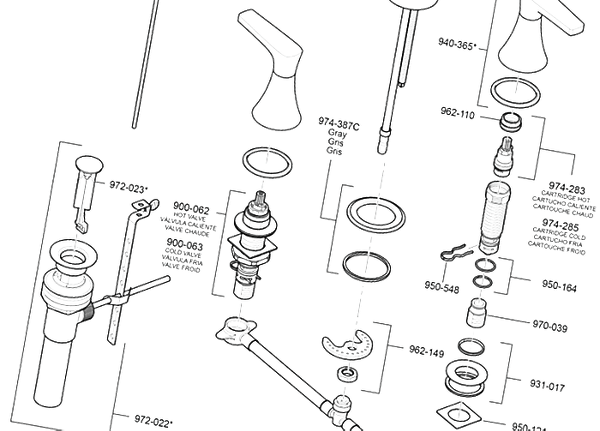
Aerator and Cartridge Care: Small Parts, Big Impact
Two small parts often solve many Kitchen Faucet Troubleshooting cases: the aerator and the cartridge.
Aerator care
- Remove and soak in vinegar for 30 minutes to remove mineral deposits.
- Rinse screens and reassemble; replace if damaged.
Cartridge care
- Turn off water and remove handle to access the cartridge.
- Inspect for cracks or worn seals. Clean gently if clogged.
- Replace the cartridge as a set for matched performance.
Replacing these parts saved me many service calls. They are inexpensive and often restore strong flow and stop drips.

When to Replace the Faucet vs Repair
Deciding between replacement and repair is a key part of Kitchen Faucet Troubleshooting.
Repair when
- The problem is a worn O-ring, aerator, or cartridge.
- Parts are available and the fixture is less than 10–15 years old.
Replace when
- Corrosion or cracked body parts exist.
- Multiple leaks appear in different areas or the faucet is outdated and inefficient.
- Cost of replacement parts approaches the cost of a new faucet.
A full replacement also gives you a chance to upgrade to a touchless or high-efficiency model for long-term savings.

Cost, Time, and When to Call a Pro
Estimate time and cost before you begin Kitchen Faucet Troubleshooting.
Simple fixes
- Time: 15–60 minutes
- Cost: $5–$40 for aerators, O-rings, and washers
Cartridge or supply line replacement
- Time: 30–90 minutes
- Cost: $20–$100 for parts
Professional help
- Call a pro if there is hidden cabinet water damage, soldered pipe issues, or you lack confidence with shut-off valves and plumbing tools.
- A licensed plumber can diagnose complex leaks and ensure code compliance.

Maintenance Tips to Avoid Future Problems
Routine care reduces the need for intense Kitchen Faucet Troubleshooting later.
Simple maintenance
- Clean the aerator every 3–6 months.
- Wipe faucet and handles weekly to prevent mineral build-up.
- Check under-sink fittings periodically for dampness.
- Lubricate O-rings with plumber’s grease during annual checks.
Seasonal checks
- Inspect supply lines annually for stiffness or cracking.
- Test shut-off valves twice a year to ensure they still turn easily.
Personal Experience and Lessons Learned
From years in the field, a few lessons stand out in Kitchen Faucet Troubleshooting.
Real-world tips
- Always carry a small parts kit with common O-rings and an extra cartridge. It saved me time on many service calls.
- Take photos before disassembly. Reassembly is much easier when you can see how parts fit.
- Don’t overtighten fittings. I once cracked a brass spout by using too much force.
These small habits make troubleshooting faster and prevent mistakes that lead to bigger repairs.
PAA-Style Questions (People Also Ask)
Q: How do I stop my kitchen faucet from dripping without tools?
A: Tighten the handle gently and replace the aerator first. If dripping continues, turn off the water and replace worn O-rings or cartridge.
Q: Why does my kitchen faucet spray unevenly?
A: A clogged aerator or mineral deposits in the spout usually cause uneven spray. Clean or replace the aerator and flush the lines.
Q: How can I tell if my cartridge is bad?
A: Signs include constant dripping, uneven temperature, or stiff handle movement. Remove the handle and inspect for cracks and worn seals.
Frequently Asked Questions of Kitchen Faucet Troubleshooting
How can I fix a faucet that only drips when turned off?
A leaking faucet when off usually means a worn cartridge or valve seat. Replace the cartridge or worn seals; clean valve seats if mineral deposits are present.
What causes low water pressure in the kitchen faucet?
Low pressure often comes from a clogged aerator, blocked supply line, or partially closed shut-off valve. Clean the aerator and check supply valves before replacing parts.
Is it safe to replace a faucet cartridge myself?
Yes, replacing a cartridge is safe if you turn off the water, follow manufacturer steps, and use the right tools. Take photos during disassembly to help with reassembly.
How do I stop a leak at the base of the faucet?
Tighten the mounting nut under the sink and replace the deck gasket if needed. If the leak continues, inspect supply connections and the faucet body for cracks.
When should I call a plumber for Kitchen Faucet Troubleshooting?
Call a plumber if leaks cause cabinet damage, the faucet is soldered into place, or you cannot locate the leak. Also call if you lack the tools or comfort to turn off and drain supply lines.
Conclusion
Kitchen Faucet Troubleshooting helps you fix leaks, restore pressure, and extend the life of your sink with simple steps. Use the workflows, small-part fixes, and maintenance tips here to handle most issues yourself. If you hit a tricky or risky problem, get professional help to avoid damage. Try one small fix today—clean the aerator or check the O-rings—and see how much difference it makes. Leave a comment with your faucet issue or subscribe for more hands-on home repair guides.

