

If your Maytag washer is acting strangely, starting and stopping at odd moments, or simply refusing to move through its cycles, chances are the washer timer is to blame. The timer is a small but critical part—it’s the brain that tells your machine when to wash, rinse, or spin. Without a working timer, your washer can’t function properly. Whether you’re a homeowner wanting to fix your own machine or someone just curious about appliance repair, understanding timer problems can save you both time and money.
Maytag washers are known for their durability, but even the best machines can run into timer issues. You’ll find that most timer problems show up as cycle interruptions, failure to start, or the machine getting stuck in one phase. These issues can be frustrating, but with the right troubleshooting steps, you can often solve them yourself.

36% off Today’s Exclusive Deals
Limited-time Exclusive Deals. Check current discount on Amazon.
Check Price on Amazon As an Amazon Associate I earn from qualifying purchases.In this guide, we’ll walk you through how the timer works, common issues, step-by-step diagnosis, repair tips, and what to do if you need a professional. You’ll also see real examples, practical advice, and answers to frequent questions—all designed to help you get your washer back in shape.
How The Maytag Washer Timer Works
The washer timer controls the sequence of operations in your machine. It determines how long each cycle lasts, when to start or stop water, and when to move to the next phase. Think of it like a traffic controller—every function, from filling to spinning, relies on the timer’s signal.
There are two main types of timers in Maytag washers:
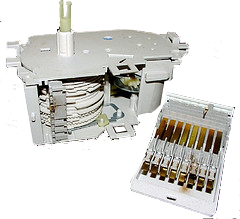
- Mechanical timers: These have gears and switches that move as time passes. You usually turn a dial to set the cycle.
- Electronic timers: Found in newer models, these use digital controls and a circuit board. You push buttons instead of turning a dial.
Both types can fail, but the symptoms and fixes are sometimes different. Mechanical timers can get stuck or jammed, while electronic timers may have software glitches or faulty wiring.
Key Functions Of The Timer
- Cycle control: Decides when to wash, rinse, spin, and drain.
- Signals other parts: Sends instructions to the water inlet valve, motor, and drain pump.
- Safety: Prevents the washer from running if the door isn’t closed or water hasn’t filled.
Understanding these basics helps you pinpoint where things go wrong.
Common Signs Of Timer Problems
If your Maytag washer has timer issues, you’ll notice certain symptoms. Recognizing these early can help you avoid bigger repairs.
Typical Symptoms
- Washer won’t start: You set the cycle, but nothing happens.
- Stuck on one cycle: The washer fills but never moves to wash or spin.
- Skipping cycles: Jumps directly from wash to spin, missing rinse.
- No response to controls: Buttons or dials don’t react.
- Intermittent operation: Sometimes works, sometimes doesn’t.
These signs usually point to the timer or related wiring. However, some symptoms overlap with other problems, like lid switch failure or motor issues. Always check the timer first if your washer behaves oddly.
Real Example
A homeowner set their Maytag washer to wash, but after filling, the machine did nothing. After checking the lid switch and motor, they found the timer was stuck on the fill phase. Replacing the timer solved the problem.
Diagnosing Maytag Washer Timer Issues
Before replacing anything, it’s important to diagnose the timer problem accurately. Many timer issues are simple, but some require careful checking.
Safety First
Always unplug your washer before working on it. Water and electricity can be dangerous.
Step-by-step Diagnosis
- Check power supply
- Make sure the washer is plugged in and getting power.
- Test the outlet with another device.
- Inspect the timer dial or controls
- For mechanical timers, turn the dial and listen for clicks.
- For electronic timers, press buttons and watch for response.
- Test the lid switch
- Most washers won’t run if the lid isn’t closed.
- Use a multimeter to check the lid switch for continuity.
- Observe the cycle
- Start a wash and see where it gets stuck.
- Note which phase doesn’t start.
- Check wiring connections
- Remove the control panel and look for loose wires or burnt connectors.
- Re-seat any loose plugs.
- Use a multimeter
- Test the timer contacts for continuity.
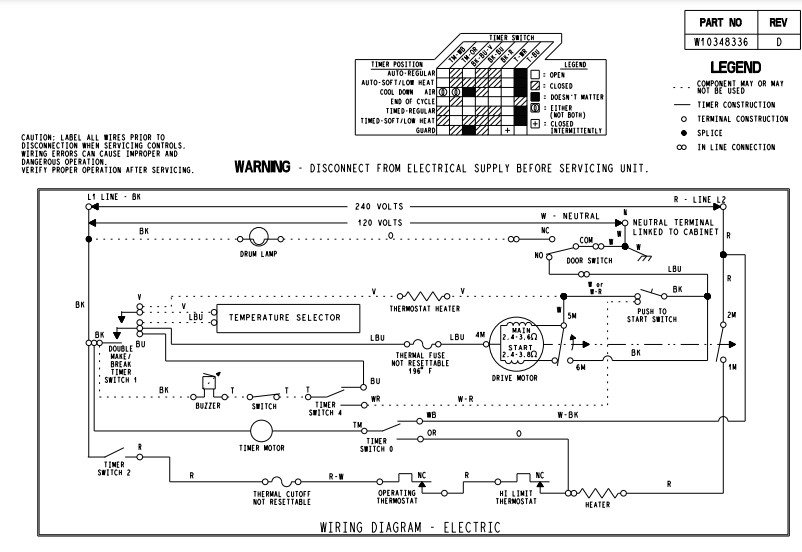
- Refer to your model’s wiring diagram (usually found inside the control panel).
- Look for physical damage
- Inspect the timer for signs of burning, corrosion, or broken gears.
Mechanical Vs Electronic Timer Diagnosis
Mechanical timers often show physical wear. Electronic timers may look fine but fail electronically. If you see burn marks or broken gears, the timer is probably bad. If the timer looks okay but cycles are erratic, the issue might be with the control board or wiring.
Helpful Tip
Many beginners overlook wiring issues. Loose or burnt wires can cause timer problems, even if the timer itself is fine. Always check connections before replacing parts.
Comparing Mechanical And Electronic Timer Issues
Understanding the difference between mechanical and electronic timer failures helps you choose the right fix. Here’s a simple comparison:
| Feature | Mechanical Timer | Electronic Timer |
|---|---|---|
| Control Type | Dial | Buttons |
| Failure Signs | Stuck dial, no clicks, physical damage | No display, erratic cycles, software errors |
| Repair Difficulty | Moderate (replace dial/timer) | Higher (replace board, reprogram) |
| Cost | $40–$120 | $80–$250 |
| DIY Friendly? | Yes | Sometimes |
If you have a mechanical timer, you can often fix it yourself. Electronic timers may require professional help, especially with programming or wiring.
Step-by-step Timer Replacement
If diagnosis shows your timer is faulty, replacing it is usually straightforward. Here’s how:
For Mechanical Timers
- Unplug the washer
- Remove control panel screws
- Lift the panel and locate the timer
- Disconnect wiring harness
- Unscrew the timer
- Install new timer and reconnect wires
- Replace panel and screws
- Plug in and test
For Electronic Timers
- Unplug the washer
- Open control panel
- Locate circuit board
- Disconnect all plugs (note positions)
- Remove board (usually clipped or screwed)
- Install new board, reconnect plugs
- Close panel, secure screws
- Plug in and test
Practical Example
A Maytag user found their washer stuck on rinse. After checking all connections, they replaced the mechanical timer for $65. The washer worked perfectly afterward.
Common Mistakes
- Forgetting to unplug the washer (risk of shock)
- Mixing up wire positions (label them)
- Not securing the panel (can cause vibration or leaks)
- Using the wrong timer model (always match your washer’s model number)
Cost And Availability Of Maytag Washer Timers
Timer replacement is usually affordable. Here’s a quick overview:
| Timer Type | Average Cost | Where to Buy | Warranty |
|---|---|---|---|
| Mechanical | $40–$120 | Appliance stores, online | 1 year |
| Electronic | $80–$250 | Online, authorized dealers | 1–2 years |
Mechanical timers are easier to find and often cheaper. Electronic timers cost more but are available through Maytag and major appliance retailers.
Where To Find Your Timer Model
Check your washer’s model number—usually found under the lid or on the back panel. Search online using this number to find compatible timers. Always buy from trusted sources to avoid counterfeit parts.
When To Call A Professional
While many timer fixes are DIY-friendly, some situations require expert help:
- Complex electronic timers: If your washer has a digital display, circuit board, or complicated wiring.
- Repeated failures: If the new timer fails quickly, other issues may exist.
- Unclear wiring: If you’re unsure about connections or diagrams.
- Warranty concerns: If your washer is still under warranty, professional repair is safer.
Professional appliance repair costs vary. Most timer repairs range from $80–$200, including parts and labor. If you need help, look for certified Maytag technicians.
Preventing Timer Problems
Prevention is better than cure. Here’s how to keep your timer working:
- Avoid power surges: Use surge protectors if possible.
- Don’t force the dial or buttons: Gentle use extends timer life.
- Keep the panel dry: Moisture causes corrosion.
- Check wiring annually: Look for loose or burnt wires.
- Clean the control panel: Use a dry cloth—no water or spray.
These simple steps can help your washer timer last longer.
Hidden Insights Most Beginners Miss
Many people overlook these points:
- Timer issues often come from wiring faults, not the timer itself. Loose or burnt wires cause erratic cycles.
- Mechanical timers can stick from dirt or detergent residue. Cleaning the dial area can sometimes restore function.
- Electronic timer failures can be linked to power outages or surges. If your area has unstable power, timers may fail more often.
These insights can save you from unnecessary replacements.
Real-world Data: Maytag Timer Failure Rates
According to appliance repair surveys, timer failures account for about 22% of all Maytag washer repairs. Mechanical timers last an average of 7–10 years, while electronic timers last 5–8 years. Most failures are due to wiring issues, followed by age-related wear.
How Timer Issues Compare To Other Washer Problems
Timer issues are less common than motor or pump failures, but more common than drum or bearing issues. Here’s a quick comparison:
| Problem Type | Frequency (%) | DIY Friendly? | Avg. Repair Cost |
|---|---|---|---|
| Timer | 22 | Yes (mostly) | $60–$200 |
| Motor | 33 | No | $150–$350 |
| Pump | 27 | Yes | $80–$180 |
| Drum/Bearing | 11 | No | $250–$400 |
| Lid Switch | 7 | Yes | $30–$70 |
Timer repairs are usually easier and cheaper than motor or bearing replacements.
Practical Tips For Successful Timer Troubleshooting
- Label all wires before removing the timer.
- Take photos of the wiring and panel setup.
- Handle the timer gently—internal parts are delicate.
- Double-check your model number before buying parts.
- Start the washer on a short cycle after repair to test all functions.
These steps help avoid mistakes and ensure a smooth repair.
What If Timer Replacement Doesn’t Fix It?
If replacing the timer doesn’t solve the problem, consider these possibilities:
- Wiring harness damage: Wires may be broken inside insulation.
- Faulty motor or pump: These can prevent cycles from starting.
- Control board failure: For electronic models, the main board may be faulty.
- Lid switch failure: If the washer doesn’t recognize the lid is closed, cycles won’t start.
Check these parts before giving up or calling a professional.
Using Online Resources
If you’re unsure about your repair, online forums and appliance support sites can help. The official Maytag website offers manuals and wiring diagrams. For deeper troubleshooting, RepairClinic offers guides, videos, and parts lookup.

Frequently Asked Questions
How Do I Know If My Maytag Washer Timer Is Bad?
If your washer is stuck on one cycle, fails to start, or the timer dial doesn’t advance, the timer is likely faulty. Check for physical damage, burnt smell, or no response to controls. Testing with a multimeter can confirm.
Can I Replace The Timer Myself?
Yes, most mechanical timers are DIY-friendly. Electronic timers can be harder, especially if wiring is complex. Always unplug the washer and label wires before starting.
What’s The Cost To Replace A Maytag Washer Timer?
Mechanical timers cost $40–$120, while electronic timers cost $80–$250. Professional repairs add $80–$200 for labor.
How Long Does A Washer Timer Last?
Mechanical timers last about 7–10 years. Electronic timers last 5–8 years on average, depending on usage and power quality.
What If Replacing The Timer Doesn’t Solve The Problem?
If timer replacement doesn’t fix your washer, check the wiring harness, lid switch, motor, and control board. Sometimes multiple parts fail together.
—
Fixing a Maytag washer timer may seem tough, but with careful diagnosis and the right parts, most problems can be solved at home. Remember, timer issues often come from wiring faults and power surges—not just the timer itself. Always check connections, use the correct model number, and follow safety steps. If you’re unsure, it’s better to call a professional than risk further damage. With these practical tips and insights, you can get your washer running smoothly again and save on repair costs.

