

Most Ruud furnace issues are simple fixes like thermostat settings, power, or dirty sensors.
I have spent years repairing and diagnosing HVAC systems, with a special focus on Ruud furnaces. This Ruud Furnace Troubleshooting guide brings clear steps, safety tips, real-world examples, and easy fixes you can try before calling a pro. Read on to learn what to check, how to diagnose common problems, and when to stop and call a technician.

36% off Today’s Exclusive Deals
Limited-time Exclusive Deals. Check current discount on Amazon.
Check Price on Amazon As an Amazon Associate I earn from qualifying purchases.
Common Ruud Furnace Problems and Causes
Ruud Furnace Troubleshooting starts with knowing what fails most often. Many problems trace to a handful of parts. Dirty filters, blocked airflow, faulty thermostats, pilot or ignition issues, and dirty flame sensors top the list. Electronic control boards and failed draft inducer motors cause more complex faults.
Common causes to check first:
- Thermostat settings and batteries can prevent the furnace from starting.
- Dirty air filters reduce airflow and trigger safety shutdowns.
- Flame sensor buildup prevents burners from staying lit.
- Blocked vents or closed registers reduce heat and strain the system.
- Power issues like tripped breakers or blown fuses stop control boards.
Understanding these causes helps you troubleshoot faster. With Ruud Furnace Troubleshooting, start from the simplest checks and move to the complex ones.

Safety First: Before You Start Troubleshooting
Always prioritize safety during Ruud Furnace Troubleshooting. Turn off power to the furnace at the service switch or breaker before opening panels. If you smell gas, leave immediately and call your gas company or emergency services.
Basic safety steps:
- Turn off power and gas before working on the furnace.
- Use a voltage tester to confirm power is off.
- Wear gloves and eye protection when handling components.
- Avoid touching gas lines or wiring if you are unsure.
Safety saves lives and prevents costly damage. If any step feels risky, call a licensed technician.
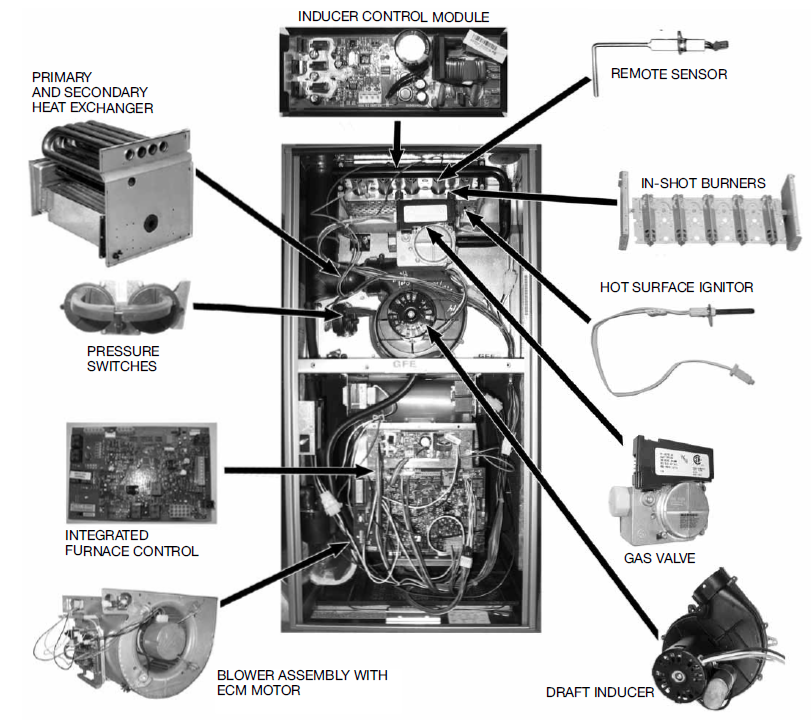
Step-by-Step Ruud Furnace Troubleshooting Guide
Follow a logical order for efficient Ruud Furnace Troubleshooting. Start simple and gather observations.
-
Check thermostat and controls
- Confirm the thermostat is set to heat and the setpoint is above room temperature.
- Replace thermostat batteries.
- If possible, set the thermostat to call for heat and listen for a click or furnace response.
-
Verify power and switches
- Check the furnace service switch and circuit breaker.
- Inspect the door switch; many Ruud models won’t run if the access panel is not fully secured.
-
Inspect air filter and airflow
- Replace dirty filters with the correct size.
- Ensure supply and return vents are open and unblocked.
-
Observe ignition and burners
- Watch for the ignition sequence: inducer motor, ignition, burners igniting.
- If burners do not light or flame is weak, a dirty flame sensor or clogged orifices may be the cause.
-
Check flame sensor and pilot (if applicable)
- Clean the flame sensor gently with a fine abrasive pad.
- For pilot models, ensure pilot flame is steady and properly positioned.
-
Look at error codes and LED flashes
- Count flashes on the control board LED and consult the manual for code meaning.
- Note any consistent blink pattern for targeted troubleshooting.
-
Inspect blower and motor
- Listen for unusual noises or lack of blower operation.
- Check motor capacitors and belts (if applicable).
-
Replace easy-to-access parts
- Swap filters, thermostats, and capacitors if you have confidence and proper parts.
- Keep records of part numbers and model information.
This sequence can resolve many issues. If a repair requires gas valve, flame rollout, or sealed combustion work, stop and call a pro.

Diagnostic Codes and What They Mean
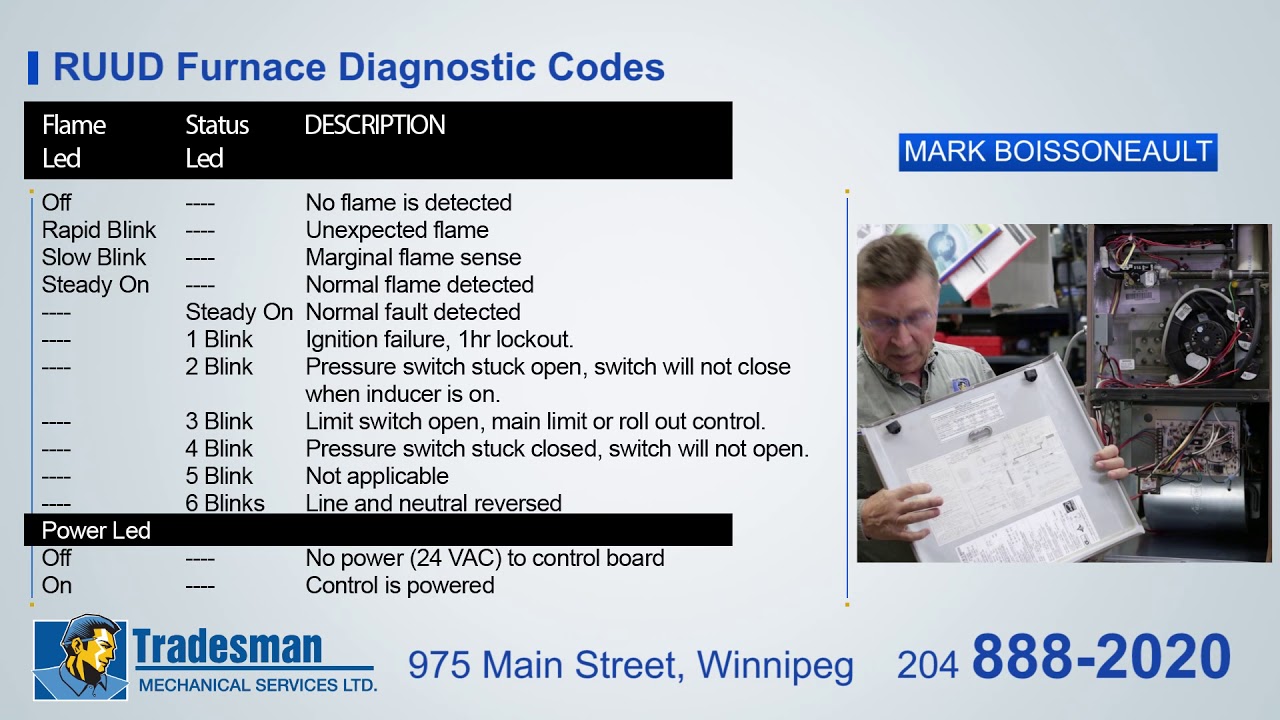
Ruud Furnace Troubleshooting often relies on LED codes. The control board uses flashes to indicate faults. Learn common codes to speed up repairs.
Typical code examples:
- One flash: Normal operation or heat call.
- Two flashes: Pressure switch fault or blocked vent.
- Three flashes: Ignition failure or flame loss.
- Four flashes: Limit switch open due to overheating.
- Continuous flash: Control board lockout or sensor error.
When you see a code:
- Record the exact flash pattern and any accompanying behavior.
- Reset the furnace once by turning power off for 30 seconds and then back on to see if the code returns.
- Use the code to target checks: pressure switch tubing, vent blockage, flame sensor, or limit switches.
Knowing the codes reduces guesswork. Keep your furnace model number handy to match codes precisely.

Maintenance Tips to Prevent Problems
Routine maintenance reduces the need for emergency Ruud Furnace Troubleshooting. A small effort keeps the furnace reliable and efficient.
Recommended maintenance actions:
- Replace filters every 1–3 months depending on usage.
- Schedule annual professional tune-ups before cold season.
- Keep vents and returns clear of furniture and debris.
- Inspect flue and venting for blockage or corrosion annually.
- Clean the flame sensor and burners if you see soot or weak flame.
These steps extend the life of the furnace and cut energy bills. A clean and tuned furnace also reduces safety risks.

When to Call a Professional
Know your limits during Ruud Furnace Troubleshooting. Call a licensed technician when:
- You smell gas or suspect a leak.
- The furnace has repeated ignition failures or lockouts.
- There is a risk of carbon monoxide or the CO alarm sounds.
- The control board or gas valve needs replacement.
- You lack tools or confidence to work on electrical or gas systems.
A trained technician has tools and certification to repair sealed combustion, gas line, and control board issues safely. Investing in expert service prevents long-term damage.

Personal Experience and Practical Tips
I once diagnosed a Ruud furnace that cycled on and off every few minutes. The owner had changed the thermostat but used the wrong wiring configuration. Fixing the wiring and cleaning a dusty flame sensor stopped the short cycles. From that job I learned:
- Always verify thermostat wiring and compatibility.
- Start with the basics: power, filter, and thermostat.
- Keep a small troubleshooting kit: voltage tester, multimeter, replacement filter, and a soft pad for cleaning sensors.
Common mistakes to avoid:
- Replacing expensive parts without confirming the root cause.
- Ignoring the outdoor vent or condensate issues on high-efficiency models.
- Working on gas components alone without proper training.
My hands-on work with Ruud Furnace Troubleshooting taught me to be methodical. Slow and steady checks save time and money.
PAA-style Questions in the Text
What should I check first when my Ruud furnace won't turn on?
- Start with the thermostat, circuit breaker, and furnace power switch. Replace thermostat batteries and check the access panel is secure.
How do I reset my Ruud furnace?
- Turn off power at the furnace switch or breaker for 30 seconds, then restore power. Note any error codes after reset.
Why does my Ruud furnace run but not blow hot air?
- Possible causes include a dirty filter, failed heat exchanger, blower motor problem, or incorrect thermostat fan setting.

Frequently Asked Questions of Ruud Furnace Troubleshooting
What causes a Ruud furnace to short cycle?
Short cycling often comes from overheating due to a blocked filter, restricted airflow, or a failing limit switch. Start with the filter and vent checks.
How do I read Ruud furnace error codes?
Count the flashes on the control board LED and compare them to the manual. Reset power once and note whether the code returns.
Can I clean the flame sensor myself?
Yes, cleaning a flame sensor is a common DIY fix. Turn off power first, remove the sensor, clean lightly with an abrasive pad, and reassemble.
Why does my Ruud furnace make loud noises?
Loud sounds may come from a failing blower motor, loose panels, or a failing inducer motor. Tighten panels and inspect the blower for wear.
How often should I schedule maintenance for my Ruud furnace?
Annual professional maintenance is recommended, ideally before the heating season. Regular filter changes every 1–3 months help between visits.
Is it safe to run a Ruud furnace with a cracked heat exchanger?
No. A cracked heat exchanger can leak carbon monoxide. If suspected, stop using the furnace and call a professional.
Conclusion
This Ruud Furnace Troubleshooting guide gives a clear path from simple checks to complex diagnostics. Start with thermostat, power, and filters, use LED codes to pinpoint issues, and know when to call a pro. Practical care and routine maintenance prevent most failures and save money.
Take action today: change your filter, verify thermostat settings, and note any error codes. If a repair goes beyond basic checks, schedule a certified technician. Leave a comment with your model and symptoms, and I’ll help point you in the right direction.

