

Most Trane heat pump issues are fixable with basic checks and simple troubleshooting steps.
I have spent years working on residential HVAC systems and troubleshooting Trane units. This guide on Trane Heat Pump Troubleshooting explains how these systems work, common faults, step-by-step diagnostics, preventative care, and when to call a pro. Read on to get clear, practical steps you can use today to find and fix typical problems safely and confidently.

36% off Today’s Exclusive Deals
Limited-time Exclusive Deals. Check current discount on Amazon.
Check Price on Amazon As an Amazon Associate I earn from qualifying purchases.
How Trane Heat Pumps Work
Trane heat pumps move heat between your home and the outdoors. They use a compressor, refrigerant, reversing valve, and coils to heat or cool a space.
Understanding basic operation makes troubleshooting easier. When you know what each part does, you can spot faults faster and avoid unnecessary repairs.

Common Problems with Trane Heat Pumps
Trane Heat Pump Troubleshooting often starts with spotting common symptoms. Below are frequent problems and quick causes.
- Unit won’t start. Usually caused by tripped breakers, bad thermostat settings, or a failed contactor.
- Weak airflow. Often from dirty filters, blocked vents, or failing blower motors.
- Not heating or cooling effectively. Could be low refrigerant, a failing compressor, or stuck reversing valve.
- Short cycling. Common caused by oversized unit, thermostat issues, or refrigerant problems.
- Ice on outdoor unit. Typically from restricted airflow, defrost failure, or low refrigerant.
- Loud or unusual noises. Worn bearings, loose panels, or failing fan motors are usual suspects.
- High energy bills. Poor efficiency may indicate dirty coils, refrigeration leaks, or aging equipment.
Spotting the symptom is the first step in Trane Heat Pump Troubleshooting. Each sign points to a different set of checks.

Step-by-Step Troubleshooting Checklist
Follow a clear checklist when doing Trane Heat Pump Troubleshooting. Work safely and turn power off when needed.
- Safety first
- Turn thermostat to OFF and shut power at the breaker before opening panels.
- Use insulated tools and wear gloves and safety glasses.
- Check thermostat and settings
- Ensure correct mode (heat/cool/auto) and desired temperature.
- Replace thermostat batteries and reset if needed.
- Inspect power and breakers
- Confirm outdoor disconnect switch is ON.
- Reset tripped breakers and note if they trip again.
- Visual and airflow checks
- Look for ice on coils, debris around the outdoor unit, and blocked vents inside.
- Replace or clean filters and clear obstructions.
- Listen and observe operation
- Note clicking relays, loud motors, or no sound at all.
- Watch the outdoor fan and compressor start sequence.
- Check refrigerant-related signs
- If the system runs but lacks cooling/heating, look for frost patterns or warm suction lines.
- Low refrigerant requires licensed tech for leak test and recharge.
- Test capacitors and contactors
- Bulging or leaking capacitors fail often and cause start issues.
- Burned contactor contacts can stop compressor or fan operation.
- Scan for error codes
- Some Trane units flash LEDs or send codes to communicating thermostats.
- Record codes and consult Trane troubleshooting tables.
- Basic electrical checks
- Measure voltage to the unit and across motors if you have a meter.
- Avoid live testing unless qualified.
Following this checklist will solve many common issues and narrow down tougher faults during Trane Heat Pump Troubleshooting.
Interpreting Error Codes and Diagnostics
Trane Heat Pump Troubleshooting often relies on diagnostic codes. Codes can indicate communication faults, sensor failures, or safety lockouts.
- Blinking LEDs: Count flashes and pauses. This pattern maps to specific faults.
- Thermostat error messages: Some models show E1, E3, or COMM codes indicating sensor or communications issues.
- Unit display logs: Newer units may store history of faults useful to technicians.
- Manual diagnostics: A quick motor spin test or continuity check on sensors helps confirm faults.
Keep a record of error patterns and times. That log makes service calls faster and reduces guesswork in Trane Heat Pump Troubleshooting.

Routine Maintenance to Prevent Problems
Regular maintenance reduces callouts and raises efficiency. Simple tasks keep Trane units running well.
- Replace filters every 1–3 months depending on use and pets.
- Keep 2–3 feet of clearance around outdoor unit and remove debris.
- Clean coils yearly or as needed to maintain heat transfer.
- Inspect and lubricate fan motors if the model requires it.
- Check refrigerant levels during annual service for steady performance.
- Schedule a professional tune-up once a year, ideally before peak season.
A small monthly routine goes a long way in Trane Heat Pump Troubleshooting by preventing common failures.
When to Call a Professional
Know when to stop DIY and call an HVAC technician. Safety and warranty concerns matter.
- Refrigerant work needed. These repairs require licensed technicians.
- Electrical failures like repeated breaker trips or burnt wiring.
- Compressor failure or suspected motor burnout.
- Complex control or communication errors that persist after basic resets.
- If your unit is under warranty, unauthorized repairs may void coverage.
For hard-to-diagnose faults, a technician brings tools, training, and replacement parts for reliable Trane Heat Pump Troubleshooting.

Parts Replacement and Typical Costs
Understanding common replacement parts helps you plan for repairs. Costs vary by region and model.
- Air filters: Low cost, replace monthly, $5–$30.
- Capacitors: Common failure, $50–$150 for parts and labor.
- Contactors and relays: $75–$200 installed.
- Reversing valve or control board: $300–$900 depending on complexity.
- Compressor replacement: $800–$2,500 or more; sometimes cost-effective to replace the unit.
- Refrigerant recharge after leak repair: $150–$600 depending on refrigerant type and amount.
Always ask for estimates and warranty details. Proper diagnosis reduces unnecessary part swaps during Trane Heat Pump Troubleshooting.

Personal Experience and Lessons Learned
I’ve fixed dozens of Trane units over the years. Here are real lessons I learned in the field.
- Don’t assume a bad compressor right away. I once replaced a compressor before checking a failed start capacitor. Replacing the cheap capacitor fixed it.
- Keep clear photos and notes of wiring before disassembly. That avoids miswiring during reassembly.
- Seasonal checks prevented many emergency calls. A quick fall tune-up saved one homeowner from freezing pipes.
- Communicate costs and options clearly. Homeowners appreciate plain language about repair vs replace.
These practical tips come from hands-on Trane Heat Pump Troubleshooting and help you avoid common pitfalls.
Related Concepts and Alternatives
When troubleshooting, consider system design and alternatives that impact performance.
- Dual-fuel systems: Heat pumps paired with gas furnaces change troubleshooting needs in extreme cold.
- Mini-split systems: Offer zoned control and different service steps than central Trane systems.
- Insulation and ductwork: Leaky ducts or poor insulation can mimic heat pump faults.
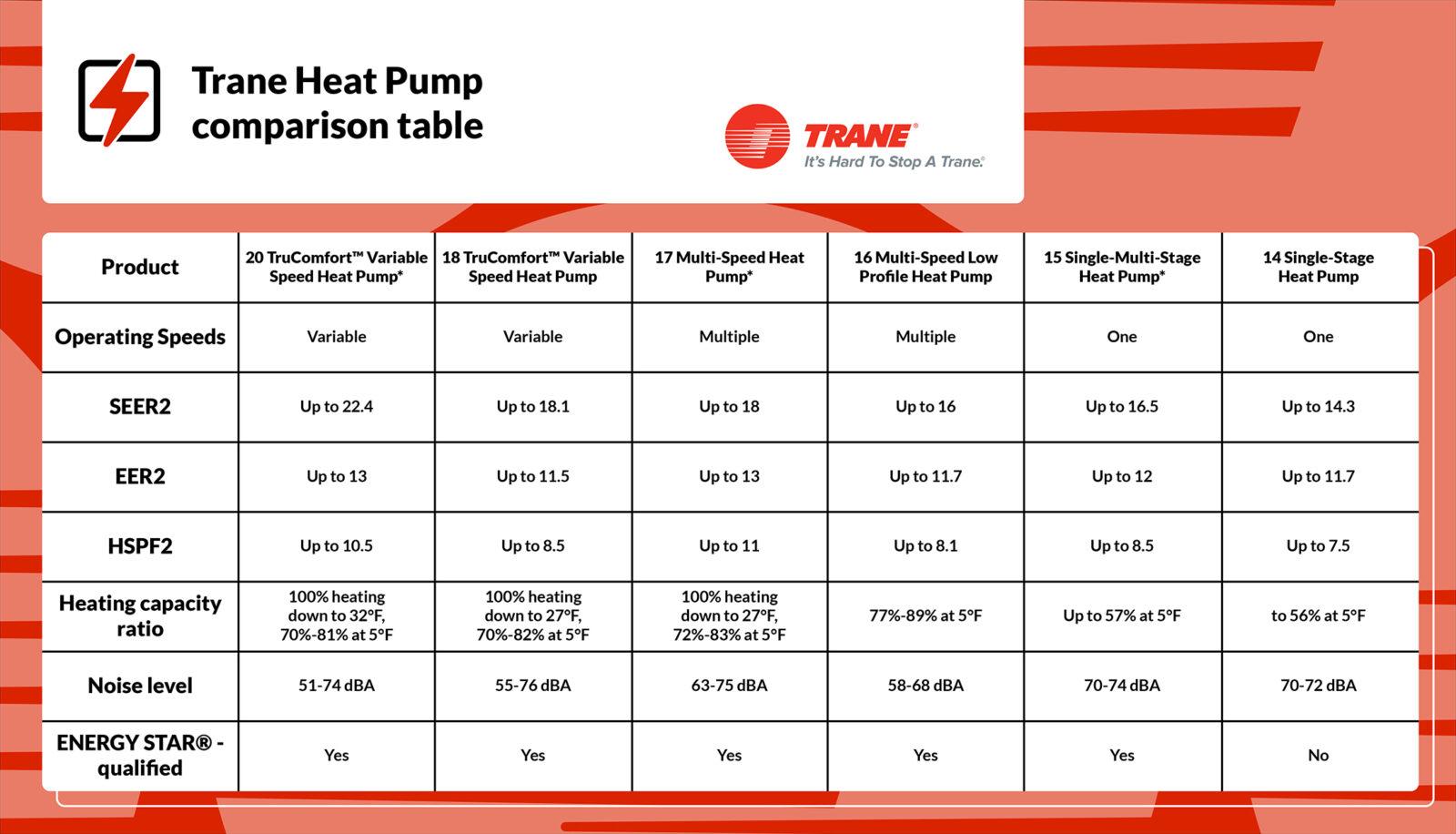
- Efficiency ratings: SEER and HSPF ratings influence operating cost and when replacement is smart.
Thinking beyond the unit helps with complete Trane Heat Pump Troubleshooting and smarter home comfort choices.
Frequently Asked Questions of Trane Heat Pump Troubleshooting
How do I reset my Trane heat pump?
Turn the thermostat to OFF, switch the outdoor unit power off at the disconnect, wait 30 seconds, then restore power and set the thermostat back. If the unit still fails, note any error codes and contact a technician.
Why is my Trane heat pump freezing up outside?
Frozen coils often come from restricted airflow, failed defrost cycles, or low refrigerant. Clear airflow, replace filters, and call a pro if ice returns after thawing.
What does a blinking light on a Trane unit mean?
Blinking lights usually indicate specific error codes or fault conditions. Count flashes and check the unit’s diagnostic guide or call a technician for interpretation.
Can I run a Trane heat pump in very cold weather?
Yes, many models run in cold weather but may lose efficiency. For very low temperatures, dual-fuel systems or supplemental heat may be recommended.
How often should I service my Trane heat pump?
Have a professional inspect and tune the system at least once a year, and perform basic filter and coil checks monthly or seasonally. Regular care improves reliability and efficiency.
Is a hissing sound normal from my Trane heat pump?
A soft hiss may be normal as refrigerant flows, but loud hissing often signals a refrigerant leak or pressure issue. Turn the unit off and call a licensed technician if the noise is persistent.
Conclusion
Trane Heat Pump Troubleshooting is a mix of simple checks and informed decisions. Start with safe, routine inspections: thermostat, filters, power, and visible signs. Use a clear checklist to narrow issues, and call a licensed technician for refrigerant, electrical, or compressor faults. A small routine and timely repairs keep comfort steady and costs down. Take action today: run a quick system check, note any odd signs, and schedule professional service if needed. Share your experience or ask a question below to keep the conversation going.

