

Most NOCO GB40 issues stem from battery, connection, or charging faults.
I have tested jump starters and fixed dozens of battery problems, so this Noco Boost Plus Gb40 troubleshooting guide walks you through clear checks, smart fixes, and safe habits. You will learn how to read LEDs, test connections, handle charging errors, and decide when repair or replacement is needed. This article combines hands-on tips, step-by-step procedures, and common-sense safety to help you restore a NOCO Boost Plus GB40 quickly and confidently.

36% off Today’s Exclusive Deals
Limited-time Exclusive Deals. Check current discount on Amazon.
Check Price on Amazon As an Amazon Associate I earn from qualifying purchases.
How the Noco Boost Plus Gb40 works and why troubleshooting matters
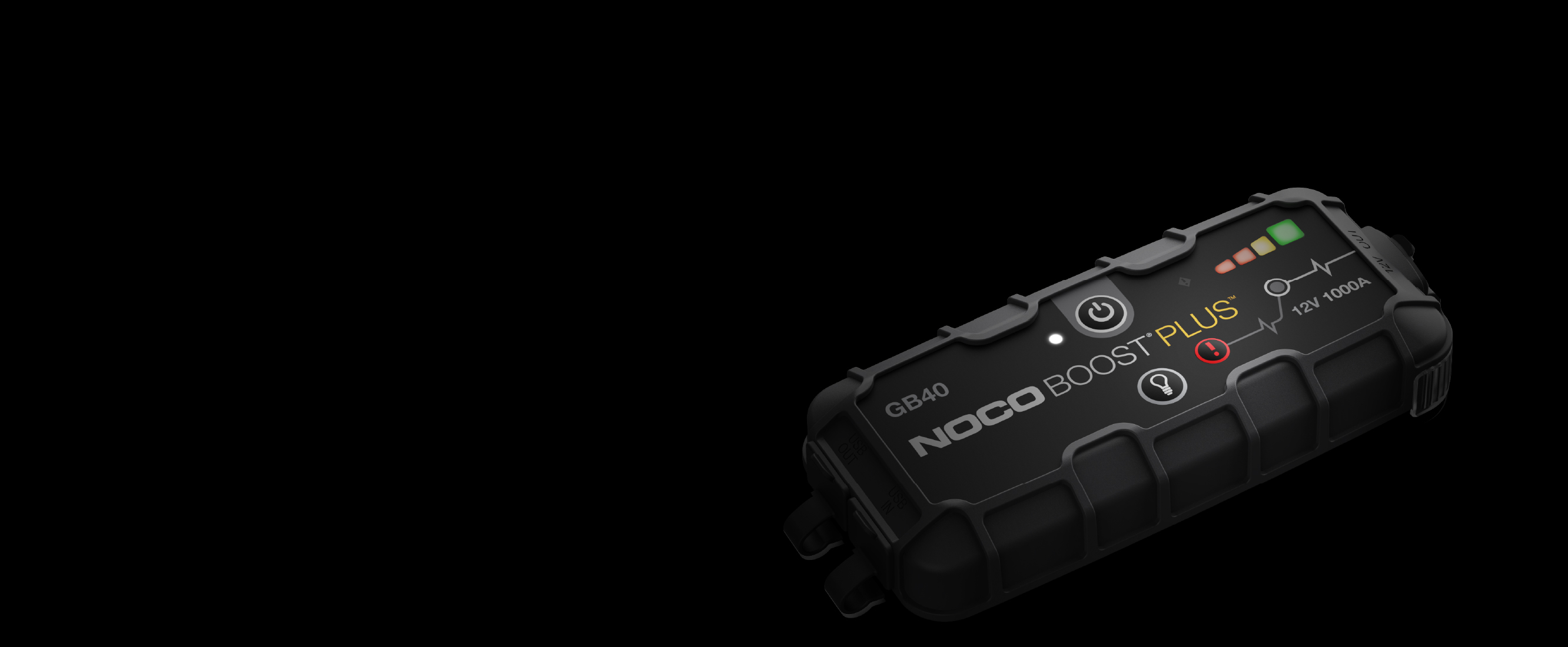
The Noco Boost Plus GB40 is a compact lithium jump starter. It delivers high-peak amps to start cars, trucks, and small engines. Troubleshooting matters because a small fault can prevent starting or reduce unit life. Knowing how it works makes fixing it simple and safe.
- The unit uses lithium-ion cells and internal electronics to deliver cranking power.
- It has protection circuits for reverse polarity, short circuits, and over-temperature.
- The device charges via a micro-USB or dedicated charger and shows status with LEDs.
Common problems with Noco Boost Plus Gb40 and quick causes
Most common failures are easy to spot. The device won't start a car, has no LED lights, fails to charge, or shows an error LED. These signs usually point to battery drain, bad cables, a dead internal cell, or firmware/protection triggers.
- No power or lights often means the internal battery is depleted or the charge cable is faulty.
- Unit beeps and LEDs flash may indicate reverse polarity or short-circuit protection activated.
- The unit charges but won’t start a vehicle when clamps are loose, battery is too dead, or the GB40 is at low charge.
People also ask: Why won’t my GB40 turn on? Because the internal battery may be below its safe threshold, or the charge cable is damaged.
People also ask: Can the GB40 revive a fully dead car battery? It can start many drained batteries, but a completely failed battery or damaged cell may not accept a jump.

Step-by-step Noco Boost Plus Gb40 troubleshooting guide
Follow these safe steps in order. Each step isolates a likely cause and prevents damage.
- Visual and safety check
- Inspect clamps, cables, and housing for damage or corrosion.
- Make sure clamps make clean metal contact on the battery terminals.
- Check for unusual smells or swelling and stop if you see them.
- Check charge level
- Plug the GB40 into a known-good charger or USB supply.
- Observe the charge LED sequence for normal charging and full charge.
- If LEDs do not light, try a different cable and wall adapter.
- Test with a known-good battery
- Try the GB40 on a healthy vehicle or battery to confirm output function.
- If it starts the known-good battery, the issue is likely the original vehicle battery.
- If it fails, the GB40 may have an internal fault.
- Diagnose LED error patterns
- One steady LED usually means low charge; follow charging procedure.
- Flashing or alternating LEDs often signal protection mode; remove clamps and wait.
- Continuous error beeps often indicate reverse polarity; verify clamp orientation.
- Reset and retry
- Disconnect clamps, wait 30 seconds, and reconnect in the correct order (positive then negative).
- Charge fully before another attempt if the GB40 tripped protection.
- Keep attempts short to avoid thermal or electronic stress.
LED indicator meanings and diagnostic tips for Noco Boost Plus Gb40 troubleshooting
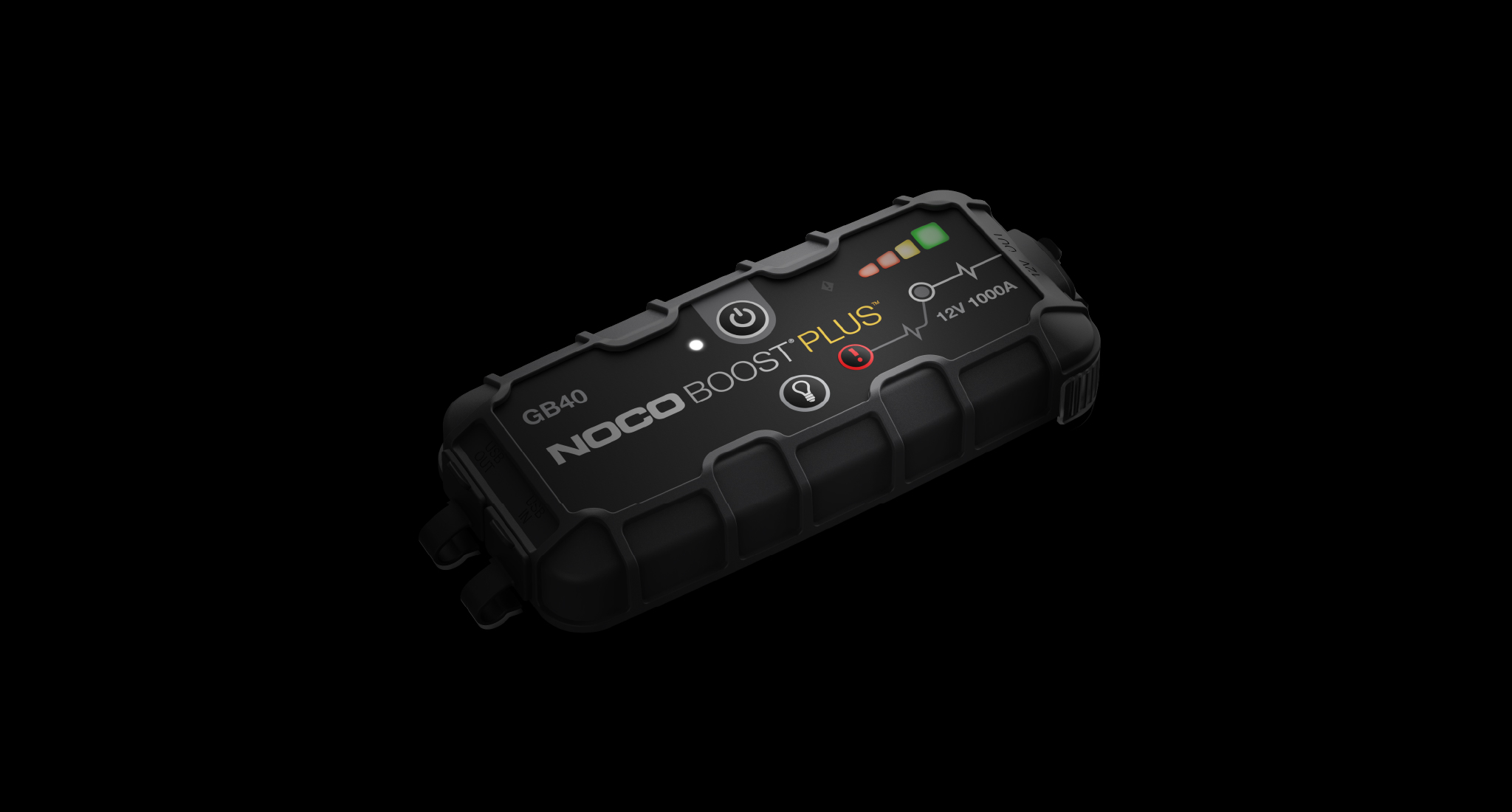
LEDs are your first diagnostic tool. Learning their meaning shortens repair time and avoids guesswork.
- Solid green: fully charged and ready to use.
- Flashing green/amber: charging in progress or low charge.
- Red or flashing red: fault, reverse polarity, or cell issue.
- Rapid beeps with flashing lights: protective cutoff engaged.
When you see a fault LED, disconnect immediately and let the GB40 cool. Re-charge the unit fully and try again. If faults persist after a full charge, internal protection or damaged cells may require service.

Charging, maintenance, and storage tips
Good care extends life and avoids many troubleshooting headaches. Simple habits keep the GB40 reliable.
- Charge monthly if not used. Lithium cells self-discharge over time.
- Store in a cool, dry place away from direct sun or freezing temps.
- Use only quality USB adapters rated for the unit and replace frayed cables.
- Clean clamp jaws with a wire brush to maintain good contact.
If you plan long-term storage, charge to about 50 to 70 percent and check every three months. These steps reduce the chance of a no-start when you need the GB40 most.
When to seek repair or replacement
Some problems need professional attention or a new unit. Safety matters with lithium devices.
- Replace the GB40 if the housing is bulging, it emits strong odors, or cells are visibly damaged.
- Seek repair if internal electronics fail but the battery cells are intact — warranty or certified service helps.
- Consider replacement when repair costs approach the price of a new unit.
I recommend checking warranty status before opening the device. Manufacturer support can cover defects and save time.

Personal experience, lessons learned, and practical tips
I have used and tested multiple jump starters in roadside scenarios. A few practical lessons stand out.
- Always keep clamps clean and a short charge cable in the glove box. Dirty clamps cost more troubleshooting time than any other issue.
- I once misdiagnosed a GB40 as faulty when the real problem was a loose clamp on the car battery. Simple checks save hours.
- Avoid fully draining the GB40. If you let it sit dead for months, capacity drops and troubleshooting becomes harder.
Trust your senses—heat, smell, and visible damage are clear red flags. When in doubt, stop and seek service.
Noco Boost Plus Gb40 Troubleshooting: safety checklist
Before any troubleshooting or jump start, run this quick safety checklist.
- Confirm correct clamp polarity: positive to positive, negative to metal ground.
- Put gloves and eye protection on when working with batteries.
- Do not attempt to open sealed lithium packs; internal cells can be hazardous.
- Keep bystanders and flammable materials away during jumps and charging.
A small safety habit prevents big risks. Respect the power inside the GB40 and the vehicle battery.

Frequently Asked Questions of Noco Boost Plus Gb40 Troubleshooting
Why won’t my Noco Boost Plus GB40 charge?
Check the charge cable and wall adapter first. If the adapter is fine, the internal charge port or battery may be faulty and need service.
How long should the GB40 hold a charge?
Properly stored, it should hold a charge for several months, but monthly top-ups are best. Long-term depletion can reduce capacity.
What does a flashing red LED mean on the GB40?
Flashing red usually indicates a fault or protection mode. Disconnect the clamps, let the unit rest, and fully recharge before trying again.
Can I fix a GB40 that won’t turn on?
Simple issues like a bad cable or drained battery are easy fixes. If the pack shows no signs of life after verified charging, professional repair or replacement is needed.
Is reverse polarity protection reliable on the GB40?
Yes, the GB40 has effective reverse polarity protection that prevents damage when clamps are reversed. Always verify clamp connections to avoid tripping the protection.
How many jump starts does the GB40 provide per charge?
The number varies with engine size and battery condition, but expect several starts on a full charge for average cars. Very cold weather or large engines reduce that number.
Conclusion
You can solve most Noco Boost Plus Gb40 troubleshooting cases with basic checks, correct charging, and safe jump procedures. Keep clamps clean, charge regularly, and use the LEDs as a guide to diagnose issues. If you follow these steps and still see faults, seek warranty support or professional repair. Try the checklist and tips here, subscribe for more guides, or leave a comment with your specific GB40 issue and I’ll help troubleshoot.

