

If your home depends on a Bradford White Defender water heater, you know how important it is for daily comfort. Hot water is not just a luxury—it’s a necessity for showers, cleaning, laundry, and more. But even quality water heaters like the Defender series can have problems over time. Understanding how to troubleshoot these issues can save you time, money, and stress.
This guide gives you clear, practical steps to solve common Bradford White Defender water heater problems. Whether you’re a homeowner, landlord, or someone responsible for building maintenance, you’ll find simple explanations, real-world examples, and pro tips. We’ll also cover error codes, when to call a pro, and how to keep your water heater working its best for years.

36% off Today’s Exclusive Deals
Limited-time Exclusive Deals. Check current discount on Amazon.
Check Price on Amazon As an Amazon Associate I earn from qualifying purchases.Bradford White Defender: How It Works
Before fixing problems, it helps to know how your Defender water heater operates. This model is a gas-powered tank heater, using a burner at the bottom to heat water stored in a large tank. It’s known for safety features like the Flame Arrestor (prevents fire hazards), the Resettable Thermal Switch, and a Honeywell gas control valve (which often displays error codes).
These heaters rely on:
- Cold water inlet: Water enters the tank
- Gas burner: Heats the water
- Thermocouple or flame sensor: Checks if the pilot is lit
- Temperature control: Sets desired heat
- Exhaust vent: Removes combustion gases
The Defender Safety System is designed to shut off gas in unsafe conditions, making troubleshooting a bit different from older water heaters.
Common Problems And Symptoms
Some Defender water heater issues are easy to spot. Others need careful attention. Here are the most frequent complaints:
- No hot water
- Water is too hot or too cold
- Pilot light won’t stay lit
- Strange noises (rumbling, popping)
- Water leaks
- Error codes on the gas control valve
- Smelly or discolored water
- Low hot water pressure
Recognizing these symptoms is the first step to solving the problem.
Safety First: Precautions Before Troubleshooting
Working with gas appliances can be dangerous if you’re not careful. Always start with these safety checks:
- Turn the gas control knob to OFF before working on the heater.
- Allow the unit to cool—hot water and pipes can burn.
- Turn off electricity to the heater if it’s a power vent model.
- If you smell gas, leave the area immediately and call your gas provider.
- Never try to repair a water heater if you feel unsure. When in doubt, contact a licensed plumber.
Step-by-step Troubleshooting Guide
1. No Hot Water
If your water heater is producing no hot water at all, start with the basics.
Check The Pilot Light
The pilot light is a small flame that ignites the burner. If it’s out, your heater won’t work.
- Remove the access panel at the base.
- Look for a small blue flame.
- If the flame is out, follow the relighting instructions on the sticker near the control valve.
Inspect The Gas Supply
- Make sure the gas valve is open (handle parallel to pipe).
- Check if other gas appliances (like the stove) work.
Examine The Thermostat
- The thermostat should be set between 120°F and 140°F.
- If it’s too low, turn it up and wait 30 minutes to check for hot water.
Reset The Thermal Switch
- Find the reset button (usually red, near the sight glass).
- Press firmly until you hear a click.
- Try relighting the pilot.
Advanced: Check For Error Codes
- The Honeywell gas valve will show a flashing LED.
- Count the flashes and refer to the error code chart on the side of the heater.
When To Call A Pro
If you’ve checked all these steps and still have no hot water, there may be a problem with the thermocouple, gas valve, or control board. These require a qualified technician.
2. Water Is Too Hot Or Too Cold
Unstable water temperature is a common issue.
Adjust The Thermostat
- Use a flat screwdriver to set the dial (A = 130°F, B = 140°F, C = 150°F).
- Wait 2-3 hours after adjustment.
Sediment Build-up
- Sediment can insulate the water from the heat.
- Flush the tank: Attach a garden hose to the drain valve and run water until clear.
Faulty Thermostat Or Gas Valve
- If adjusting the dial does nothing, the thermostat or gas valve may need replacement.
Temperature Fluctuates
- Check for crossover in plumbing (hot and cold lines mixing).
- Make sure all faucets are fully off.
3. Pilot Light Won’t Stay Lit
This can be caused by several factors:
Dirty Flame Arrestor
- The flame arrestor screen traps dust and lint.
- Clean with a soft brush or vacuum.
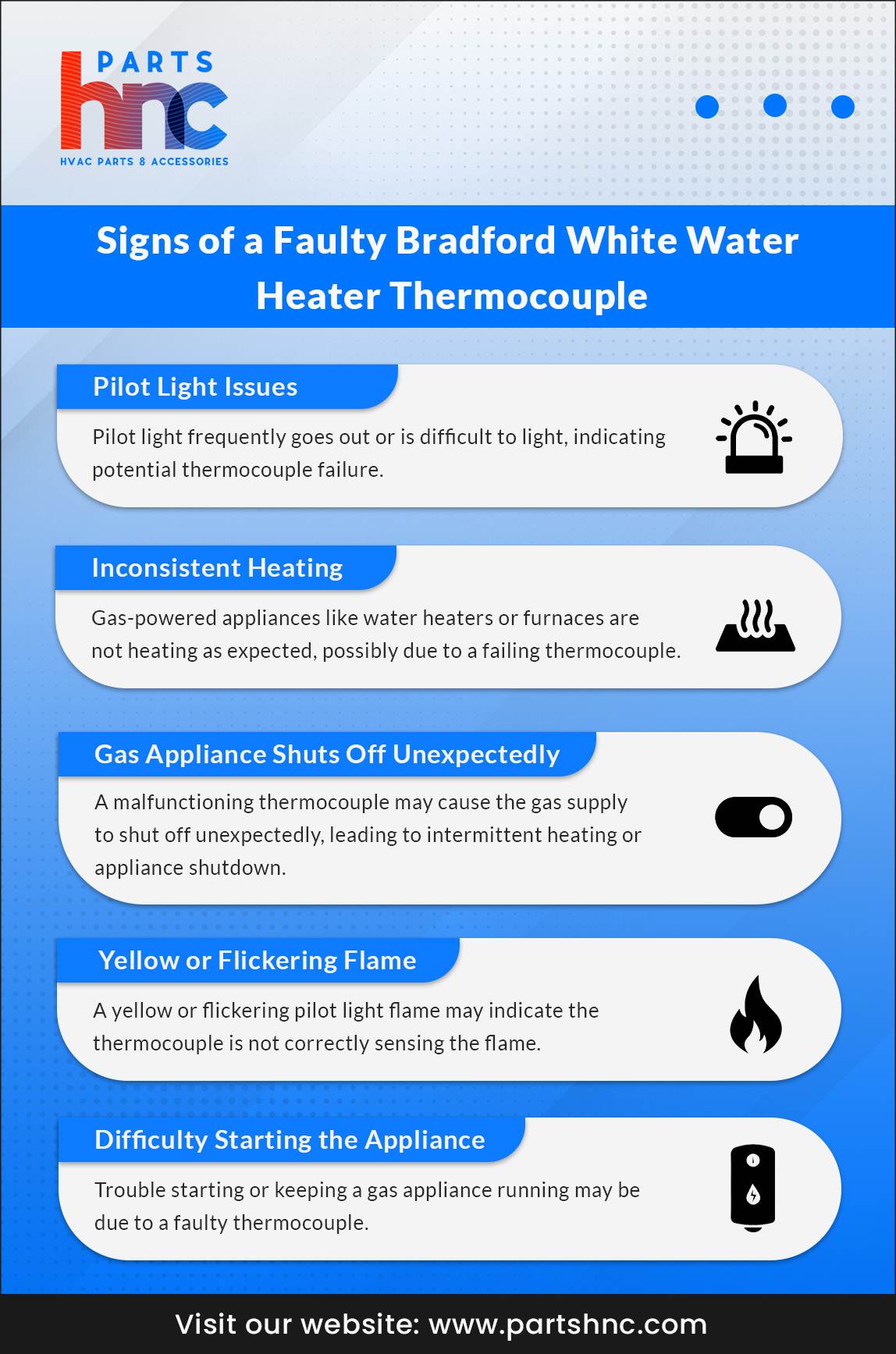
Faulty Thermocouple/flame Sensor
- This part senses the pilot flame.
- If dirty or damaged, the gas shuts off.
- Replacement is usually a DIY job but follow instructions closely.
Drafts Or Backdrafts
- Open windows or exhaust fans near the heater can blow out the pilot.
- Check for air movement around the base.
Defective Gas Control Valve
- If the gas control valve fails, it won’t allow gas to flow.
- This part is not serviceable; it must be replaced.
4. Strange Noises (rumbling, Popping)
These sounds are often due to sediment build-up.
- Flush the tank to remove scale and debris.
- If the noise continues, the heating element may be damaged (in electric models).
5. Water Leaks
Water leaks can come from several places:
- Temperature and pressure (T&P) valve: If this valve leaks, it may be due to high pressure or temperature. Test it by lifting the lever.
- Drain valve: Tighten or replace if dripping.
- Tank seam or bottom: If water comes from the tank itself, the heater is likely rusted through and must be replaced.
6. Error Codes On Gas Control Valve
The Honeywell gas valve uses a flashing LED to display errors. Here’s a quick reference:
| LED Flashes | Error Meaning | What To Do |
|---|---|---|
| 1 | Normal operation | No action needed |
| 2 | Thermopile low voltage | Clean/replace thermopile |
| 4 | High temperature limit tripped | Press reset, check for overheating |
| 5 | Damaged gas control valve | Replace gas valve |
| 7 | Flammable vapor sensor error | Check sensor, call technician |
Always check the error chart on your heater for model-specific codes.
7. Smelly Or Discolored Water
This usually means bacteria growth or rust.
- Rotten egg smell: Caused by sulfur bacteria. Flush the tank and replace the anode rod.
- Rusty water: Means corrosion. If only hot water is rusty, the tank or anode rod may be failing.
8. Low Hot Water Pressure
Low pressure is often a plumbing issue, not just the heater.
- Check for sediment clogging the shut-off valve or pipes.
- Flush the tank to clear debris.
- If only one faucet is affected, clean its aerator.
Regular Maintenance For Long Life
Routine maintenance keeps your Bradford White Defender running smoothly. Here’s a simple schedule:
- Check the anode rod: Every 1-2 years. Replace if less than 1/2″ thick or coated in calcium.
- Flush the tank: Once a year to remove sediment.
- Test the T&P valve: Lift the lever and let water run into a bucket. If it doesn’t flow, replace the valve.
- Inspect the vent: Make sure nothing blocks the exhaust.
- Clean flame arrestor: Vacuum dust and lint from the screen area yearly.
Neglecting these steps can shorten heater life and void your warranty.
When To Call A Professional
Some problems need expert help. Call a licensed plumber if:
- You smell gas or see leaking gas lines
- The tank is leaking from the bottom
- You get repeated error codes that won’t reset
- The gas control valve or burner assembly needs replacement
- You’re unsure about any repair
Professional service protects your safety and may be required for warranty coverage.

Real-world Case Studies
Case 1: Pilot Light Won’t Stay Lit
A family in Chicago found their Defender heater’s pilot kept going out. They tried relighting, but it failed after a day. The technician found a dirty flame arrestor and clogged air intake. After cleaning, the heater worked perfectly. Lesson: Regular cleaning can prevent shutdowns.
Case 2: Rumbling Sound
A landlord in Phoenix reported loud popping noises from the heater. After flushing two gallons of muddy water from the tank, the noise disappeared. The heater’s efficiency improved. Insight: Sediment flushing restores quiet operation and saves energy.
Case 3: Error Code 7
A homeowner in Dallas saw 7 flashes on the gas valve. A pro found the flammable vapor sensor had failed due to paint fumes near the heater. They replaced the sensor and moved paint cans away. Tip: Keep chemicals away from your water heater.
Comparison: Bradford White Defender Vs. Other Gas Heaters
How does the Defender stack up to similar brands? Here’s a quick look:
| Feature | Bradford White Defender | Rheem Performance | A.O. Smith Signature |
|---|---|---|---|
| Flame Arrestor | Yes | Yes | Yes |
| Error Codes | LED flashes | LED flashes | LED flashes |
| Resettable Switch | Yes | No | Yes |
| Warranty (years) | 6-10 | 6-12 | 6-10 |
| Available Sizes | 30-75 gallons | 30-75 gallons | 30-50 gallons |
The Defender offers similar safety features but stands out for its resettable thermal switch and robust build.
Pro Tips For Reliable Performance
- Keep at least 18 inches clear around the heater for airflow.
- Don’t block the air intake—dust buildup can trigger lockouts.
- Set temperature to 120°F for energy savings and scald prevention.
- Test hot water at the farthest faucet to make sure the tank is heating fully.
- Label your error codes chart for quick reference during outages.
Common Mistakes To Avoid
- Ignoring warning signs: Small leaks or strange noises can turn into big problems.
- Using the wrong gas type: Make sure your heater is set for natural gas or propane—mix-ups can be dangerous.
- Skipping annual maintenance: This can void your warranty and reduce lifespan.
- Over-tightening connections: Can crack valves or fittings.
- DIY gas work: Always hire a licensed professional for gas line repairs.
Essential Replacement Parts And Their Lifespan
Here’s what you’ll need to replace over time:
| Part | Typical Lifespan | Replacement Frequency |
|---|---|---|
| Anode rod | 3-5 years | As needed |
| Thermocouple/Flame sensor | 5-8 years | When faulty |
| Gas control valve | 8-12 years | When faulty |
| T&P valve | 5-10 years | Test yearly, replace if leaking |
| Drain valve | 8-12 years | When leaking or clogged |
Having these parts on hand can speed up repairs and reduce downtime.
Bradford White Defender Error Code Chart (quick Reference)
Here’s a summary of the most useful error codes:
- 1 flash: Normal operation
- 2 flashes: Thermopile issue
- 4 flashes: High temperature, reset needed
- 5 flashes: Replace gas valve
- 7 flashes: Flammable vapor sensor error
Keep your heater’s manual nearby for model-specific codes, or find digital copies on the official Bradford White support site.

Frequently Asked Questions
Why Does My Bradford White Defender Pilot Light Keep Going Out?
The most common reasons are a dirty flame arrestor, a faulty thermocouple, or drafts near the heater. Clean the arrestor screen, check for air movement, and replace the thermocouple if needed.
How Often Should I Flush My Bradford White Defender Water Heater?
It’s best to flush the tank once a year. This removes sediment that can cause noise, reduce efficiency, and shorten heater life.
What Temperature Should I Set My Defender Water Heater To?
The recommended setting is 120°F. This prevents scalding and saves energy. For homes with small children or elderly, never set above 130°F.
What Do I Do If I See An Error Code On The Gas Control Valve?
Count the LED flashes, compare to the chart on your heater or in this article, and follow the recommended fix. If you can’t clear the error, call a licensed technician.
When Should I Replace My Bradford White Defender Water Heater?
Most Defender heaters last 8–12 years with good maintenance. If your tank leaks, fails repeatedly, or is over 12 years old, replacement is usually the best option.
Solving water heater problems can feel stressful, but with the right steps, you can fix most Bradford White Defender issues yourself or know when to call for help. Regular maintenance and knowing your error codes will keep your home’s hot water flowing for years.

