

Submersible well pump troubleshooting: Find causes fast, fix electrical and mechanical faults safely.
I have repaired and tested dozens of pumps, so I know what works and what fails. This guide on Submersible Well Pump Troubleshooting gives clear steps, simple checks, and real tips you can use right away. Read on to diagnose common faults, avoid costly mistakes, and decide when to call a pro.

36% off Today’s Exclusive Deals
Limited-time Exclusive Deals. Check current discount on Amazon.
Check Price on Amazon As an Amazon Associate I earn from qualifying purchases.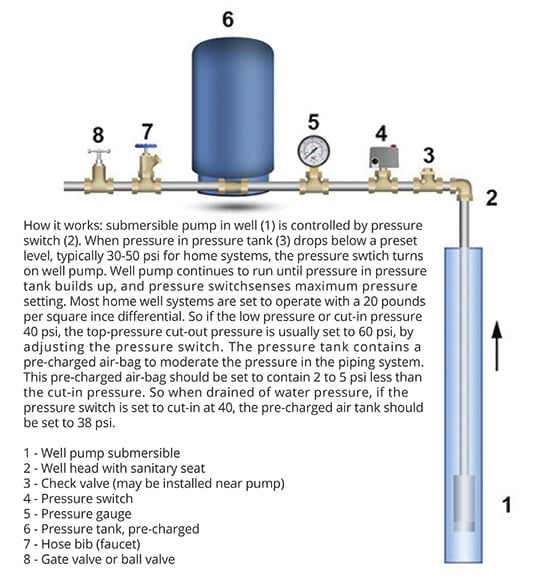
How submersible well pumps work and why troubleshooting matters
A submersible well pump sits below water in the well and pushes water up. Submersible Well Pump Troubleshooting starts with knowing this basic setup. The motor is sealed and attached to the pump housing. If anything goes wrong, the pump can stop, leak, or run poorly.
I have seen pumps fail from simple things like a tripped breaker and from complex issues like a bad motor winding. Good troubleshooting saves time, money, and water. This section gives the simple concepts you must know before you test.

Common problems and root causes
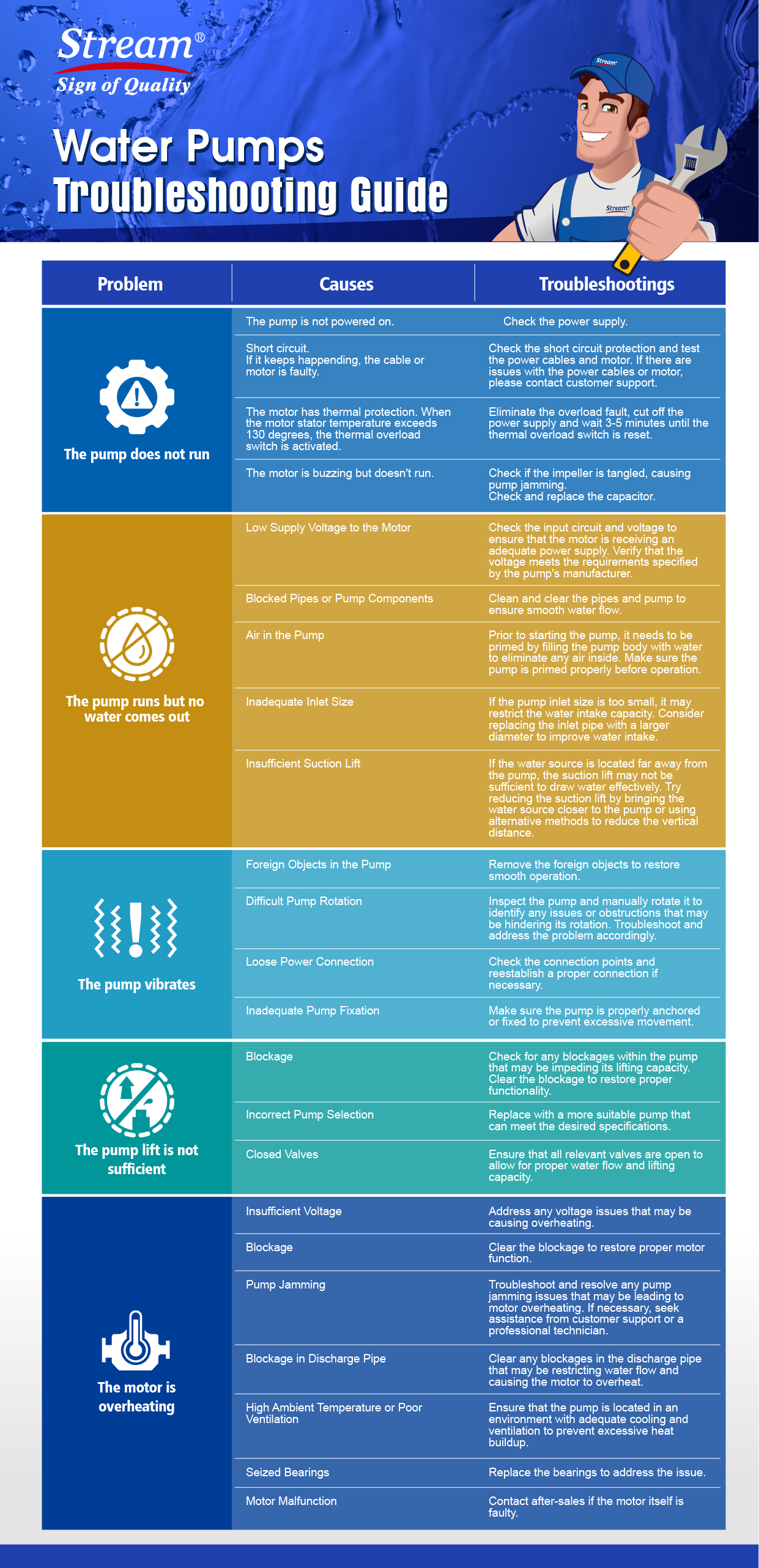
Most calls for Submersible Well Pump Troubleshooting fall into a few repeatable problems. Recognizing the pattern makes fixes fast.
- Pump won’t turn on. Possible causes include power loss, blown fuse, bad switch, or wiring fault.
- Low or no water flow. Common causes are clogged intake, dropped pump, or worn impellers.
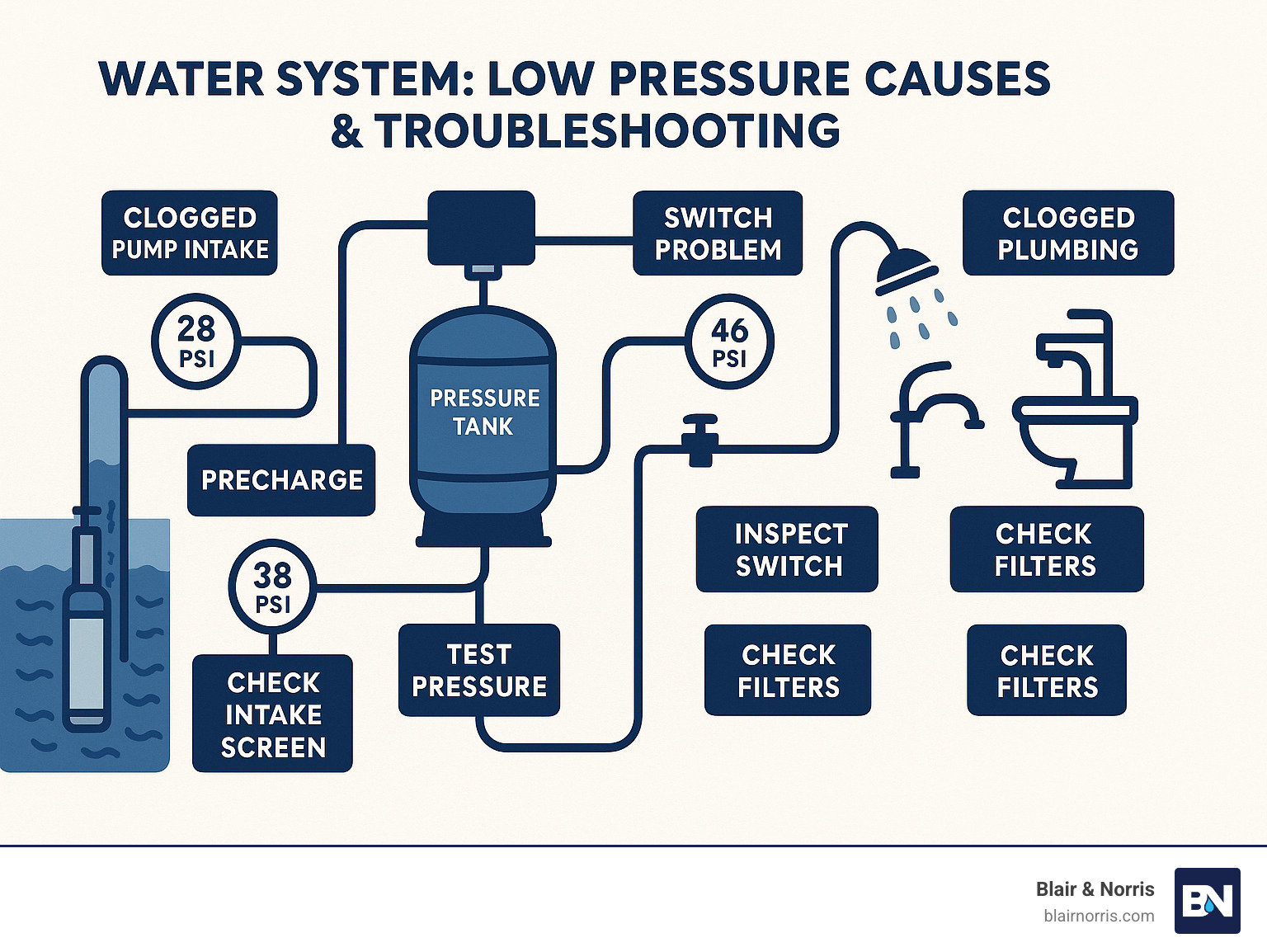
- Pump cycles frequently (short cycling). Often caused by a bad pressure tank or a failing pressure switch.
- Pump runs but makes noise. Could be air in the line, sand in bearings, or cavitation.
- Overheating or tripping breaker. Motor problems or running low on water can cause this.
When doing Submersible Well Pump Troubleshooting, always start with the simplest checks first. This saves time and avoids unnecessary costs.
Step-by-step troubleshooting checklist
Follow these safe, logical steps for Submersible Well Pump Troubleshooting. Stop and call a pro if you see exposed wiring, burnt smells, or if you are unsure.
- Safety first
- Turn off power at the breaker. Use lockout if available.
- Wear gloves and eye protection when working near the well.
- Check the power supply
- Look at the main breaker and any fuses. Reset or replace if needed.
- Test voltage at the control box if you can. No voltage means start at the panel.
- Inspect the control equipment
- Check the pressure switch for corrosion or stuck contacts.
- Look at the control box for burnt wires or loose terminals.
- Test pump operation
- If you have a multimeter, measure motor amperage and voltage. Compare with nameplate.
- Use a clamp meter for safe current checks.
- Check the tank and plumbing
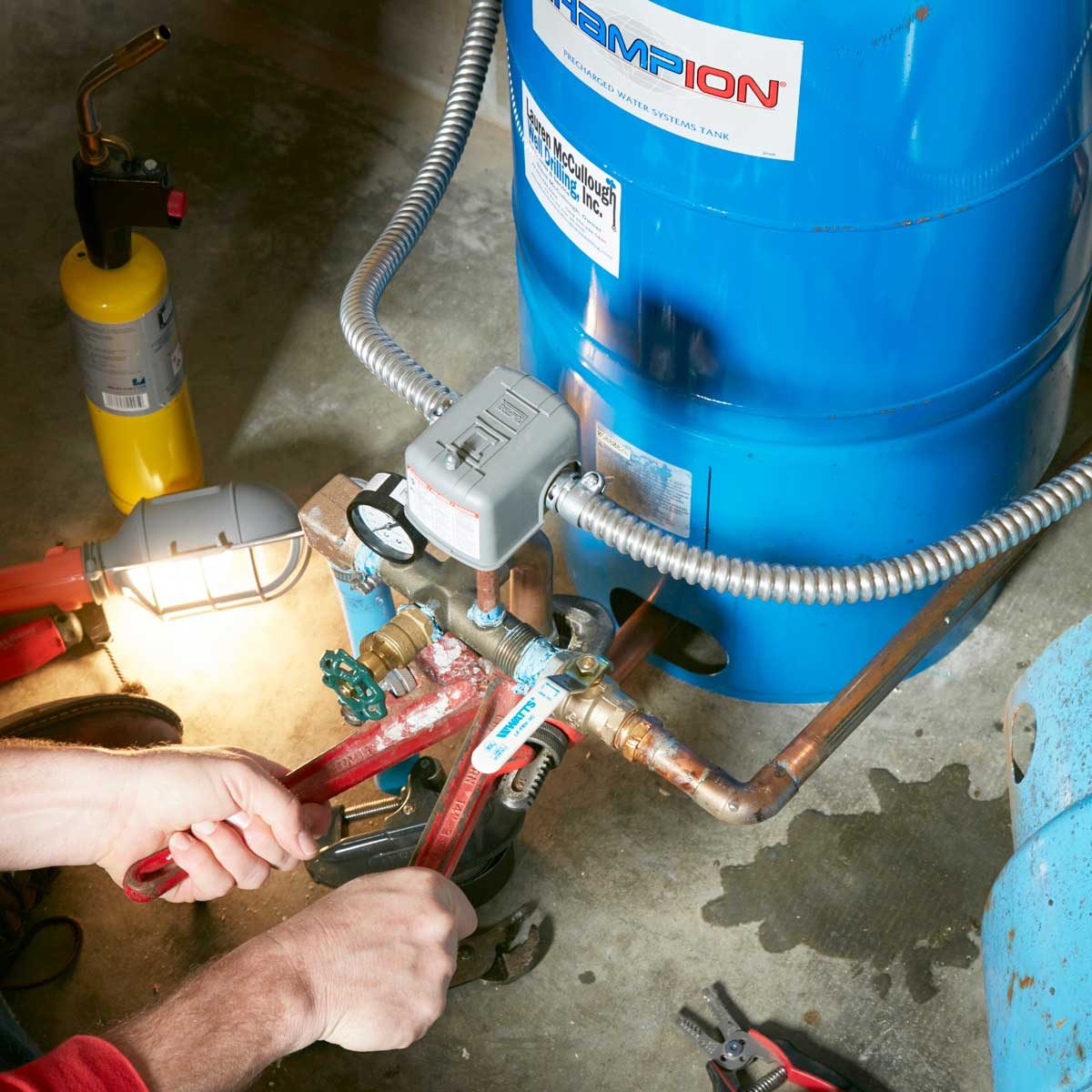
- Pressurize and listen for leaks. A leaking tank bladder can cause short cycling.
- Open a faucet to test flow and pressure.
- Physical checks at the wellhead
- Inspect wiring, seals, and cable entry for damage.
- If the pump was recently installed, ensure cable splices are sealed.
These steps cover most DIY-safe checks for Submersible Well Pump Troubleshooting. Keep notes as you test.
Electrical troubleshooting specifics
Many Submersible Well Pump Troubleshooting cases are electrical. Take your time and use the right tools.
- Check breaker and fuses first.
- Replace blown fuses with the correct size.
- Measure voltage at the motor leads.
- Low voltage causes overheating and poor performance.
- Measure motor current.
- High amperage often means a locked rotor or bad bearings.
- Inspect the start capacitor or relay if present.
- A failed capacitor can prevent motor start.
- Look for corrosion or water in the control box.
- Moisture can short circuits and ruin components.
I once fixed a pump that failed after a storm. The breaker looked fine, but a loose terminal at the pressure switch caused voltage drop. Tightening the terminal fixed the issue in minutes. That is a typical Submersible Well Pump Troubleshooting win.

Mechanical troubleshooting specifics
When electricity tests good but water flow is poor, look at mechanical causes.
- Check the intake screen.
- Sediment can block flow. Clean as needed.
- Inspect impellers and diffusers.
- Wear reduces flow and pressure. Replace small-diameter or worn parts.
- Monitor for sand and grit.
- Sand erodes parts and causes noise; install a sediment filter if needed.
- Ensure correct pump depth.
- A pump too near the bottom can suck sand; too high reduces lift.
A common mistake I’ve seen is assuming the pump is dead when the check valve above the pump is stuck. Replacing that valve restored full flow without pulling the pump. Simple checks pay off.
Preventive maintenance to avoid failures
Routine checks cut down on emergencies and prolong pump life. Use Submersible Well Pump Troubleshooting as a teaching tool for maintenance.
- Inspect pressure tank and pressure switch twice a year.
- Test pump start-up and listen for odd noises.
- Flush sediment from the well and install pre-filters where needed.
- Check cable entry seals yearly to prevent water intrusion.
- Record run times and cycle counts to detect slow failures.
I track service dates and simple metrics for each system I manage. This habit lets me spot trends before a major breakdown.

When to call a professional
Some problems are DIY-safe. Others need a licensed pump technician or electrician.
- Call a pro if you detect burnt wiring, persistent overheating, or collapsed motor windings.
- If the pump must be pulled from the well, hire a trained pump service. They have the right hoist and test gear.
- For complex electrical diagnosis or motor rewinding, contact a certified electrician or motor shop.
If budget is tight, get an estimate and a second opinion. A bad repair can cost more than a proper fix.
PAA-style quick questions
What causes a pump to short cycle?
Short cycling often comes from a faulty pressure tank bladder or an incorrectly set pressure switch. Fixing the tank or adjusting the switch usually solves it.
Why is my pump running but no water comes out?
This can be due to a clogged intake, failed check valve, or the pump sitting below the water table. Check valves and intake screens first.
How long should a submersible pump last?
With good water quality and regular maintenance, many pumps last 10–15 years. Hard water or sand shortens life.

Personal tips and mistakes to avoid
I’ve learned a few lessons the hard way. These help in Submersible Well Pump Troubleshooting.
- Never assume a pump is dead without testing voltage and current. I once replaced a pump that only needed a $10 relay.
- Do not run a pump dry. Motor damage is quick and costly.
- Label your wiring and document repairs. Future troubleshooting gets faster.
- Use correct fuse and breaker sizes. Undersized protection causes nuisance trips; oversized protection risks equipment damage.
Small chores prevent big failures. Treat your pump like a car—regular checks and simple care go a long way.
Related concepts and upgrades to consider
When troubleshooting fades, think about upgrades that reduce issues.
- Install a larger or modern pressure tank to reduce cycling.
- Add a sand or sediment filter to protect impellers.
- Consider a variable frequency drive (VFD) for smoother starts and energy savings.
- Upgrade to sealed, better-rated cables to avoid moisture entry.
These upgrades can cut repair bills and lengthen pump life.
Frequently Asked Questions of Submersible Well Pump Troubleshooting
What should I check first when my pump stops working?
Start with the circuit breaker, fuses, and visible wiring. If the breaker trips again, stop and inspect for short circuits or call a professional.
How do I know if the pump motor is burned out?
Measure motor current and compare to the nameplate. If the motor draws no current or emits a burnt smell, it likely needs motor repair or replacement.
Can I pull my own pump from the well?
You can if you have the right tools and experience. If you lack a hoist, proper cable handling gear, or if the well is deep, hire a trained pump service.
How often should I test the pressure switch?
Check the switch at least twice a year and after any service. Clean contacts and ensure correct pressure settings to avoid short cycling.
Is sand in the water a sign the pump is failing?
Sand signals well or intake issues. It wears the pump and reduces life. Use filters and consider a pump change if sand persists.
Will a new pressure tank stop short cycling?
Often, yes. A new tank with a healthy air charge reduces cycles and cuts wear on the pump. Confirm proper precharge before installation.
Conclusion
Good Submersible Well Pump Troubleshooting starts with simple checks, safety, and steady logic. Test power, inspect the tank and controls, and look for basic mechanical faults before assuming the worst. Small fixes often restore full function and save money. If you are unsure or face complex electrical or deep-well work, call a licensed pro.
Take action today: run the checklist, log your findings, and plan a basic maintenance routine. Share your experience or questions below, subscribe for more pump tips, or schedule a professional inspection if needed.

