

Most control box problems are wiring, a bad capacitor, or a failed pressure switch.
I have spent years fixing pumps and writing guides about Well Pump Control Box Troubleshooting. In this article I will walk you through causes, tests, and fixes that work in the real world. You will get clear steps, safety tips, and practical examples so you can diagnose the control box with confidence and save time and money.

36% off Today’s Exclusive Deals
Limited-time Exclusive Deals. Check current discount on Amazon.
Check Price on Amazon As an Amazon Associate I earn from qualifying purchases.
Common symptoms of a failing control box
A failing control box often shows simple signs you can spot quickly. Pumps that hum but do not start, frequent short cycling, no power to the pump, or a tripped breaker are common. Intermittent operation or burning smells from the box are red flags that need fast attention.
Causes range from loose wiring and corroded connections to failed start capacitors and bad relays. Knowing these symptoms speeds up Well Pump Control Box Troubleshooting and helps you decide whether to repair or call a pro.

Tools and safety for troubleshooting
Always put safety first when doing Well Pump Control Box Troubleshooting. Work with power off and locked out. Use insulated tools and wear gloves and eye protection.
Essential tools
- Multimeter set to AC and DC voltage for checks.
- Clamp meter to measure running current.
- Insulated screwdriver set.
- Needle-nose pliers and wire strippers.
- Contact cleaner and multigrip for loose terminals.
Safety steps
- Turn off power at the main breaker and at any local disconnect.
- Verify zero voltage with a meter before touching wires.
- Keep area dry and well lit.
- If the pump is submersible, don't open the control box while the pump is being fed by a live generator.
These practices make Well Pump Control Box Troubleshooting safer and more effective.
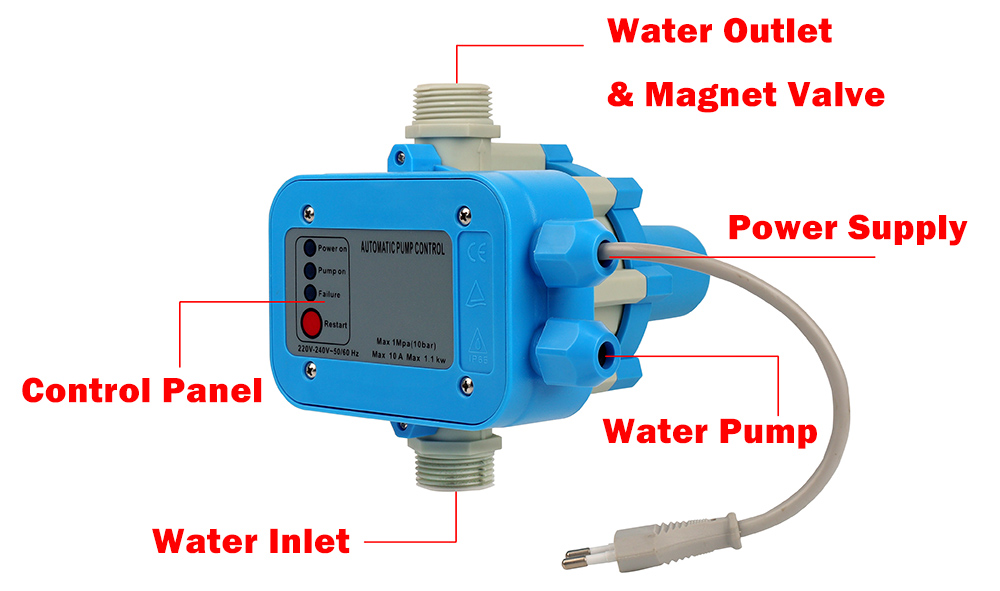
Step-by-step Well Pump Control Box Troubleshooting
Follow these steps to find the likely cause. Move from the simple checks to the more involved ones. Keep notes so you track what you tested.
- Visual inspection
- Look for burnt wires, loose screws, or melted plastic.
- Smell for burnt insulation or overheated components.
- Check for insect nests or water intrusion.
- Check power at the box
- Confirm the box gets the correct supply voltage with the breaker on.
- If no incoming voltage, check upstream breakers and fuses.
- Test the pump start
- Turn power on and observe. A humming motor with no start often means a bad start capacitor or relay.
- Use the multimeter to measure voltage at the motor terminals.
- Check capacitors and relays
- Inspect the start and run capacitors for bulging or leakage.
- Measure capacitance if you have a meter. Replace if outside spec.
- Measure current draw
- Use a clamp meter on the motor feed to see if the pump draws too much current. High draw indicates a mechanical bind or failing motor.
- Inspect pressure switch and float switch
- Look for worn or pitted contacts in a mechanical pressure switch.
- Ensure float switches move freely and are wired correctly.
PAA-style questions
What if the pump hums but won't start?
A hum with no start usually points to a bad start capacitor, a failed relay, or seized motor bearings. Test the capacitor and measure current; high current with a hum often means a mechanical fault.
How long should troubleshooting take?
A basic visual and voltage check can take 15–30 minutes. Full testing of capacitors, relays, and motor current may take up to an hour or more, depending on access.
These steps form the backbone of practical Well Pump Control Box Troubleshooting.

Detailed checks: parts to test and how
Dive into the parts that most often fail in a control box. Test each with short, clear steps.
Pressure switch
- Inspect contact points for pitting and corrosion.
- Use a multimeter to confirm continuity when the switch is closed.
- Consider replacing the switch if contacts are worn.
Capacitor
- Look for bulging or oil leaks.
- Use a capacitance meter or an analog meter to test.
- Replace capacitors if the measured value is more than 10–15% off the rated value.
Relay and contactor
- Check for burnt or welded contacts.
- Manually actuate the relay if possible and test continuity.
- Replace relays with the same coil voltage and contact rating.
Wiring and connections
- Tighten all terminal screws. Loose connections cause heat and failure.
- Replace corroded terminals and use dielectric grease on outdoor connections.
Thermal overload and control boards
- Reset thermal overloads only after verifying the cause of overload.
- Control boards can fail from surges. Check capacitors, diodes, and solder joints.
Float switches and auxiliary controls
- Ensure float positions match wiring diagrams.
- Test continuity with the float in both positions.
Following these checks will cover most causes found during Well Pump Control Box Troubleshooting.
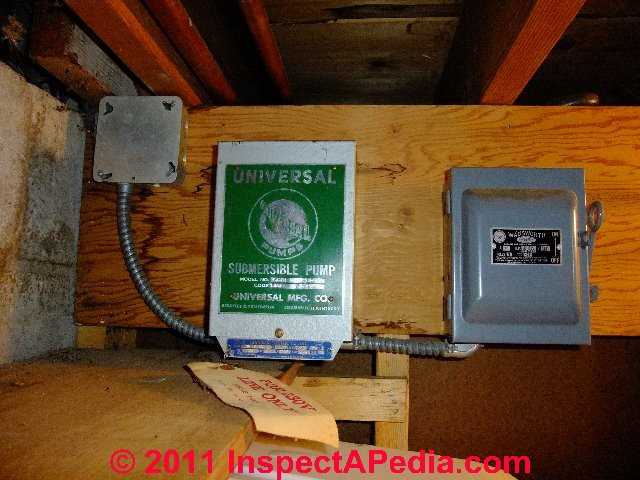
Preventive maintenance to avoid future failures
Regular checks reduce surprises. Create a simple maintenance routine and stick to it.
Monthly checks
- Listen for unusual sounds during startup.
- Check the pressure gauge and note any drift.
Quarterly checks
- Inspect control box for moisture, fungus, or pests.
- Tighten wiring and clean terminals.
Annual checks
- Test capacitors and relays.
- Measure motor current and compare to nameplate ratings.
- Replace pressure switch or capacitors proactively if older than 5–7 years.
Benefits of maintenance
- Fewer emergency repairs.
- Longer pump life.
- Lower energy bills when the pump runs efficiently.
These steps keep Well Pump Control Box Troubleshooting from becoming a frequent chore.

Personal experience, lessons learned, and practical tips
I have repaired hundreds of well systems over the past decade. A few lessons stand out.
Lessons learned
- Loose connections are the most common cause of intermittent faults. Tighten first.
- A slightly weak capacitor can cause long-term motor stress. Replace at first sign of trouble.
- Many homeowners ignore small noises; those noises often predict a control box failure.
Mistakes to avoid
- Replacing parts without testing first wastes money.
- Working live to save time risks injury and damage.
- Using incorrect replacement parts leads to repeat failures.
Practical tips
- Label wires and take photos before disconnecting anything.
- Keep a small kit of common replacement parts: pressure switch, a spare capacitor, fuses.
- If you use a generator, test the pump under generator load to ensure stable operation.
These real-world tips make Well Pump Control Box Troubleshooting quicker and less stressful.

Frequently Asked Questions of Well Pump Control Box Troubleshooting
What causes a pump to run continuously even with the control box?
Continuous running usually means a stuck pressure switch, faulty pressure gauge, or low cut-out setting. Check the switch adjustment and the pressure tank air charge first.
How do I know if the start capacitor is bad?
Signs include a loud hum at startup, slow spin, or no start at all. Measure capacitance or swap with a known good capacitor to confirm.
Can I reset the thermal overload in the control box myself?
You can reset thermal overloads after power is removed and the cause is fixed. If overload trips repeatedly, find the root cause like high current or a seized pump.
Is it safe to open a control box in wet conditions?
No. Water and electricity are dangerous. Only open the control box when the area is dry and power is locked out.
When should I call a professional for control box issues?
Call a pro if you see burned components, smell burning, find high current draw, or if you are uncomfortable working with live equipment. Complex electrical diagnostics are best handled by trained technicians.
Conclusion
Well Pump Control Box Troubleshooting is a mix of careful observation, basic electrical tests, and practical fixes. Start with visual checks, confirm power, and test capacitors, relays, and switches in that order. Regular maintenance prevents many failures and extends pump life.
Take action today: inspect your control box, tighten connections, and create a simple maintenance schedule. If you find signs of serious damage, contact a qualified technician. Share your experiences or questions below and subscribe for more hands-on pump tips.

