

Hayward Pool Pump Troubleshooting fixes for power, priming, noise, leaks, and flow issues.
I have spent years fixing pool equipment and teaching owners how to diagnose and repair problems. This Hayward Pool Pump Troubleshooting guide gives clear steps, real tips, and safety checks. Read on to learn how to spot symptoms, run quick fixes, and decide when to call a pro.

36% off Today’s Exclusive Deals
Limited-time Exclusive Deals. Check current discount on Amazon.
Check Price on Amazon As an Amazon Associate I earn from qualifying purchases.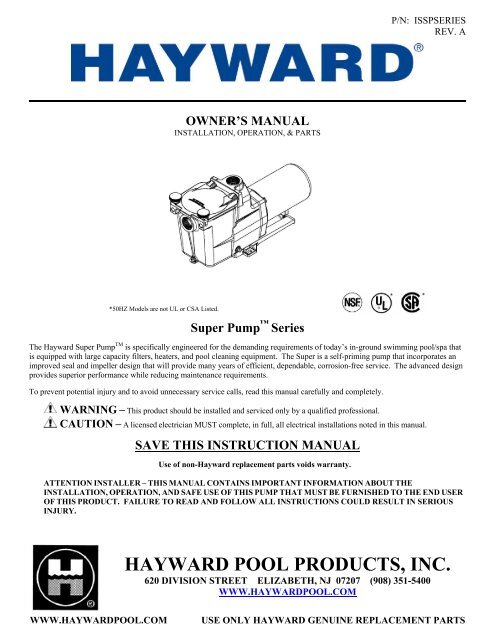
Common symptoms and what they mean
Hayward Pool Pump Troubleshooting starts with spotting the symptom. Knowing what each sign means saves time and money.
Common symptoms to watch for:
- Pump won't start. This often points to power, switch, or motor issues.
- Pump runs but pump basket is dry. That is usually a priming or suction problem.
- Low flow or weak return jets. Could be clogged lines, impeller block, or filter issues.
- Loud squeal, grinding, or vibration. Likely worn bearings, debris, or loose parts.
- Leak at pump housing or unions. Often seal, o-ring, or cracked housing.
- Motor hums but does not spin. Could be a bad capacitor or jammed impeller.
These signs frame your Hayward Pool Pump Troubleshooting path. Start simple, then move to detailed checks.

Quick troubleshooting checklist
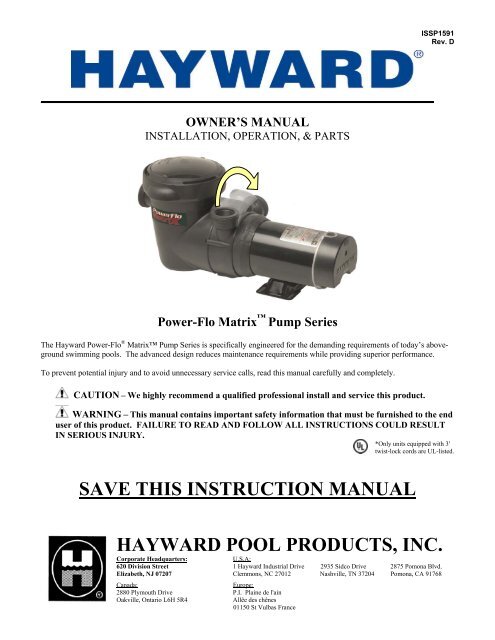
Use this quick list to fix most Hayward Pool Pump Troubleshooting issues before disassembly. Follow safety steps. Turn off power first.
Step-by-step quick checks:
- Verify power at the breaker and pool timer. Reset breakers if needed.
- Confirm pump switch is on and any remote controls are active.
- Check pump strainer basket for leaves, hair, and debris. Clean it out.
- Open air relief on filter to help prime. Close when flow is steady.
- Tighten unions and clamp screws. Replace worn o-rings.
- Inspect skimmer and main drain lines for blockages or closed valves.
If these steps do not fix the issue, move to the deeper troubleshooting sections below.
Detailed troubleshooting by issue
This section covers targeted Hayward Pool Pump Troubleshooting for specific faults. Start with safety: switch off power and lockout where possible.
Pump will not start
Causes and fixes:
- Power loss at the panel or a tripped breaker. Reset breaker and test voltage.
- Faulty time clock or automation. Bypass temporarily to test pump.
- Bad motor capacitor. Replace capacitor if motor hums but won't spin.
- Stuck impeller. Remove pump housing and clear debris from impeller.
Personal tip: I once fixed several "dead" pumps by replacing a cheap capacitor. It was a 10-minute fix that saved a motor.
No prime or air in the pump
Causes and fixes:
- Loose suction-side unions or hairline cracks. Tighten unions and inspect for cracks.
- Low water in the skimmer or closed valves. Refill pool and open valves.
- Clogged skimmer or pump basket. Clean both and re-prime the pump.
- Worn pump lid o-ring. Lubricate or replace the o-ring to restore seal.
Quick test: Fill the pump basket with water before restarting to help the pump prime.
Low flow or weak returns
Causes and fixes:
- Dirty filter or backwash needed. Clean or backwash and check pressure gauge.
- Partially closed valves on suction or return lines. Open valves fully.
- Clogged impeller or plumbing. Remove obstructions or run a line cleaner.
- Air leak on suction side reducing pressure. Find and fix air leaks at unions or lid.
Loud noise, vibration, or grinding
Causes and fixes:
- Worn motor bearings. Bearings require motor replacement or rebuild.
- Debris stuck in impeller. Clear debris and inspect wear.
- Loose base bolts or pump mounting. Tighten mount hardware and isolate vibration.
- Cavitation from high suction lift. Reduce lift or improve intake flow.
Leaks and water around the pump
Causes and fixes:
- Cracked volute or housing. Replace the damaged part or pump if severe.
- Bad shaft seal. Replace seal and inspect shaft for scoring.
- Worn union o-rings or improperly seated o-rings. Replace and lubricate o-rings.
Safety note: A leaking motor is a hazard. Turn off power and fix the leak before running the pump.
Variable-speed and automation quirks
Causes and fixes:
- Incorrect programming or schedule conflict. Check controller settings and reset if needed.
- Drive faults or error codes. Record codes and consult manual for error meanings.
- Speed ramping issues. Update controller firmware or replace faulty drive unit.
In my service work, many calls for "pump not working" were automation misconfigurations. Always check the controller first.
Maintenance schedule and tips
Regular maintenance reduces Hayward Pool Pump Troubleshooting visits. Keep tasks simple and routine.
Monthly tasks:
- Clean pump strainer basket and skimmer baskets.
- Inspect and lubricate pump lid o-ring with silicone grease.
- Check unions, hoses, and visible fittings for leaks.
Quarterly tasks:
- Backwash or clean filter cartridges as recommended.
- Inspect motor vents and clear debris.
- Test the pump for odd noises and vibration.
Seasonal tasks:
- Winterize in cold climates: drain pump and store indoors if required.
- Rebuild or replace worn seals before heavy use season.
- Inspect and clean impeller when opening the pump for service.
Small, regular checks prevent big repairs and extend pump life.

Parts, tools, and when to replace
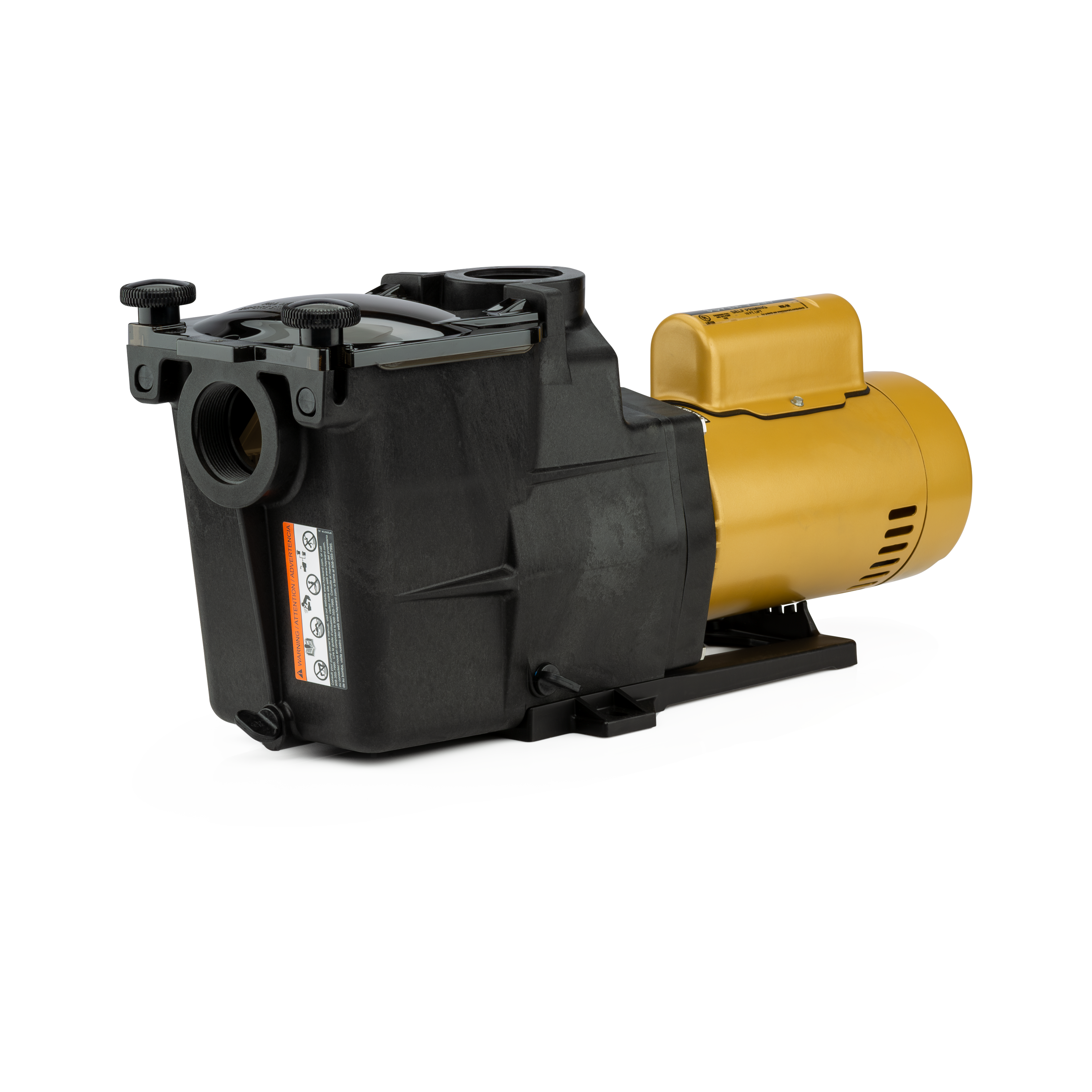
Know common parts in Hayward Pool Pump Troubleshooting and when to swap them.
Common parts to check:
- Pump lid o-ring — Replace if brittle or cracked.
- Shaft seal — Replace if leaking or during motor disassembly.
- Impeller — Replace if worn or damaged.
- Motor bearings — Replace the motor if noisy or seized.
- Capacitor and start relay — Often inexpensive fixes for start issues.
Basic tools to have:
- Screwdrivers, socket set, and pliers.
- Multimeter for voltage and continuity tests.
- Seal puller or simple pry tools for impeller access.
- Silicone grease for o-rings.
When to replace the pump:
- Repeated motor failures. Replacing motor or pump might be more cost-effective.
- Cracked housing or large leaks that compromise structure.
- Old pumps with poor efficiency—upgrading to a variable-speed pump saves energy.
From experience, a worn shaft seal is the most common part to replace. It usually fixes leaks and prevents motor damage.
Cost estimates and when to call a pro
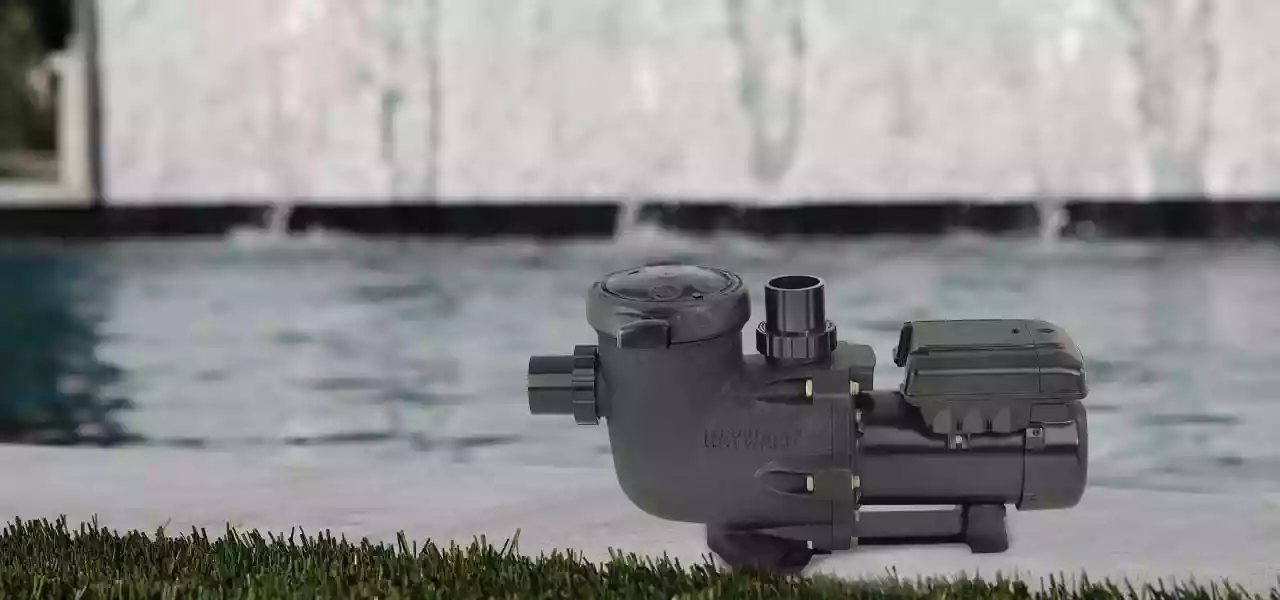
Ballpark costs help you decide whether to DIY or hire help. Costs vary by region and model.
Typical cost ranges:
- New o-ring or small parts — $10 to $50.
- Capacitor or relay — $20 to $100.
- Shaft seal replacement (DIY parts) — $30 to $120.
- Motor replacement — $200 to $700 depending on horsepower.
- Full pump replacement — $400 to $1,800 for modern variable-speed units.
Call a pro when:
- You smell burning or see smoke from the motor.
- The motor hums but will not turn after basic checks.
- You lack tools or comfort with electrical work.
- Multiple systems fail at once or automation errors persist.
A professional has the right tools, meters, and experience to diagnose electrical and hydraulic faults safely.
People also ask
How do I prime a Hayward pump that won't prime?
Fill the pump basket with water, close the air relief on the filter, and start the pump. Check suction valves and lids for air leaks if priming fails.
Why does my Hayward pump keep tripping the breaker?
A short, stuck motor, bad capacitor, or blocked impeller can overload the motor. Test current draw and inspect the motor and wiring.
How often should I replace the shaft seal?
Shaft seals last several years but replace them when leaks appear or during motor servicing. Regular checks catch failures early.
Frequently Asked Questions of Hayward Pool Pump Troubleshooting
What should I check first if my pump stops suddenly?
Check the breaker, the pump switch, and automation settings. If power is confirmed, inspect the strainer basket and look for a jammed impeller.
How do I find an air leak in the suction line?
Look for bubbles in the skimmer, inspect unions and o-rings, and watch for rapid drops in the pump basket when the pump is off. Tighten or replace any worn seals.
Can I run a Hayward pump without a filter?
You should not run a pump without a filter in place. The filter provides resistance and prevents debris from reaching the pump or equipment.
Is a noisy pump always a motor problem?
Not always. Noise can come from loose mounts, cavitation, debris in the impeller, or bearing wear. Inspect the pump mechanically before deciding on motor replacement.
How do I know if the impeller is clogged?
Remove the pump volute and look for debris wrapped around the impeller. Slow flow and a loud chirp can also indicate a clogged impeller.
How long do Hayward pumps typically last?
With good maintenance, 8 to 15 years is normal. Variable-speed models often last longer because they run cooler and use less energy.
Will cleaning the filter fix low flow?
Often yes. A dirty filter is a common cause of low flow. Backwash or clean the filter and monitor the pressure gauge to confirm improvement.
Conclusion
This Hayward Pool Pump Troubleshooting guide gives clear steps to find and fix common pump problems. Start with simple checks, use safe practices, and do routine maintenance to avoid bigger repairs. If a problem involves wiring, smoke, or repeated failures, call a licensed technician. Take action today: inspect your pump, follow the checklist, and subscribe or comment with your questions to learn more.

